
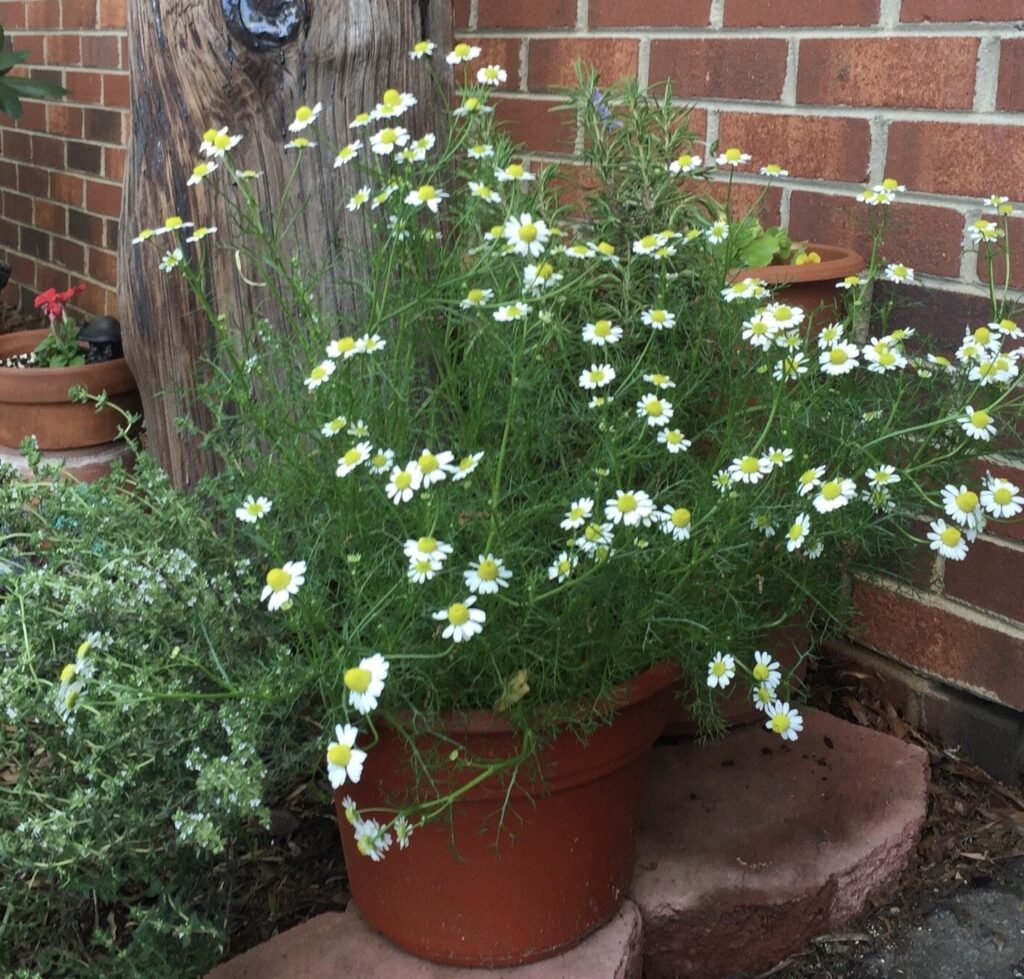
Introduction to Chamomile
Chamomile, a herb revered for its calming effects, has been prized by cultures around the world for centuries. Whether you’re looking to soothe stress, alleviate digestive issues, or simply enjoy the soothing aroma of this natural remedy, growing chamomile in a vase can be a rewarding experience.
Properties and Benefits of Chamomile
Before diving into the process of cultivating chamomile in a vase, let’s explore its remarkable properties. Chamomile contains potent compounds like azulene, which contributes to its sedative effects. This essential oil also boasts antioxidant and anti-inflammatory properties, making it an excellent addition to your natural wellness routine.
Chamomile has been used for various purposes throughout history, including:
- Digestive aid: Chamomile tea is often consumed to soothe digestive issues such as bloating, cramps, and diarrhea.
- Sleep aid: The calming effects of chamomile make it a popular natural remedy for insomnia and restlessness.
- Skin care: Chamomile’s anti-inflammatory properties can help alleviate skin irritations, redness, and itching.
- Stress relief: The aroma and taste of chamomile are believed to promote relaxation and reduce stress levels.
Why Grow Chamomile?
Consider incorporating chamomile into your life if you:
- Suffer from stress, anxiety, or insomnia
- Experience gastrointestinal issues or digestive discomfort
- Seek a natural remedy for soothing skin irritations
By growing chamomile in a vase, you’ll be able to reap the benefits of this versatile herb while enjoying the satisfaction of nurturing your own plants.
Choosing the Right Vase
To ensure optimal growth and health, select a large, rectangular vase with good drainage. This will provide ample space for your chamomile plant to thrive, preventing overcrowding that can lead to reduced flower production or lower levels of active compounds.
When choosing a vase, consider the following:
- Material: Glass or ceramic vases are ideal, as they allow for optimal air circulation and won’t impart any flavors to the soil.
- Size: Choose a vase with at least 6-8 inches in height and 4-6 inches in width to provide sufficient space for your chamomile plant.
- Drainage: Ensure the vase has a well-draining system or a layer of small rocks at the bottom to prevent waterlogged soil.
Planting Chamomile in a Vase: Tips and Guidelines
When planting your chamomile, consider the following:
- Sow seeds about 30-40 cm apart for optimal growth
- Provide full sun exposure to promote healthy development
- Maintain consistent moisture, but avoid overwatering or waterlogged soil
Irrigating Your Chamomile Plant
Proper irrigation is crucial for maintaining a healthy chamomile plant. Ensure the terriccio (soil) remains consistently moist but not waterlogged.
To irrigate your chamomile, follow these guidelines:
- Water your plant in the morning to prevent evaporation and reduce the risk of fungal diseases.
- Avoid getting water on the leaves or flowers to prevent rot and other infections.
- Use a gentle stream of water to avoid washing away the soil or disturbing the roots.
Pruning and Harvesting Your Chamomile
Regular pruning and harvesting will encourage your chamomile to produce more flowers and increase its potency. Harvest your chamomile in full bloom, as this is when it contains the highest concentration of active compounds.
To prune your chamomile, follow these steps:
- Use scissors or pruning shears to cut off the flower stems about an inch above the soil line.
- Remove any dead or damaged leaves or stems to promote healthy growth and prevent the spread of disease.
- Prune your chamomile every 2-3 weeks to maintain its shape and encourage new growth.
Harvesting and Preserving Your Chamomile Flowers
To preserve your harvest, follow these steps:
- Recede the flower stems to collect the blooms
- Dry the flowers immediately by tying them into mazes or placing them on paper towels
- Allow at least 3-5 days for drying before storing
This will help maintain their potency and aroma. You can use your dried chamomile flowers in teas, potpourri, or other craft projects.
Conclusion
Growing chamomile in a vase can be a rewarding experience, offering you access to this natural wonder while fostering your connection with nature. By following the guidelines outlined in this article, you’ll be well on your way to cultivating this extraordinary herb and reaping its numerous benefits.
Frequently Asked Questions (FAQs)
Q: What are the ideal growing conditions for chamomile?
A: Chamomile prefers full sun exposure and consistent moisture, but avoid overwatering or waterlogged soil.
Q: Can I grow chamomile in a shaded area?
A: While chamomile can tolerate partial shade, it will not thrive under low-light conditions. For optimal growth, choose a location with at least 6 hours of direct sunlight per day.
Q: How often should I prune my chamomile plant?
A: Regular pruning every 2-3 weeks will encourage your chamomile to produce more flowers and increase its potency.
Q: Can I harvest my chamomile at any stage of growth?
A: For optimal potency, harvest your chamomile when it’s in full bloom. This is when the plant contains the highest concentration of active compounds.
Q: How do I dry and preserve my chamomile flowers?
A: To preserve your harvest, recede the flower stems to collect the blooms and then dry them immediately by tying them into mazes or placing them on paper towels.
Q: Can I grow chamomile in a pot indoors?
A: While it’s possible to grow chamomile in a pot indoors, it requires careful attention to lighting and temperature conditions. Provide your plant with sufficient sunlight and maintain a consistent temperature between 65-75°F (18-24°C).
Q: Are there any potential side effects or allergies associated with chamomile?
A: While generally considered safe, some individuals may experience allergic reactions or interact with certain medications when using chamomile. Always consult with a healthcare professional before consuming any herbal remedy.
By following these guidelines and tips, you’ll be well on your way to cultivating a thriving chamomile plant in a vase and reaping its numerous benefits. Happy growing!


