
Introduction
Have you ever walked into a room and been hit with a strong, unpleasant odor that seems to come from nowhere? This can be especially true when dealing with cupboards and wardrobes in your home. In this article, we’ll explore the common causes of these odors and provide practical solutions for eliminating them.
The Causes of Odors in Cupboards and Wardrobes
Before we dive into the solutions, it’s essential to understand what can cause these unpleasant odors. Some of the most common culprits include:
- Mould and mildew
- Musty smells from old or damp materials
- Dampness and humidity
- Poor ventilation
These issues can be caused by a variety of factors, including:
- Inadequate ventilation in the home
- Moisture buildup due to poor drainage or flooding
- Leaks or water damage
- Humidity levels that are too high or too low
Remedies for Odors in Cupboards and Wardrobes
Now that we’ve identified some of the common causes of odors in cupboards and wardrobes, let’s explore some effective remedies:
Dehumidifiers
Using a dehumidifier is an excellent way to remove excess moisture from the air and prevent mould and mildew growth. By reducing the humidity levels, you can create an environment that’s less conducive to these types of odors.
Here are a few options for DIY dehumidifiers:
- Silica Gel: Silica gel is a natural desiccant that can be used to absorb moisture from the air. Simply place the silica gel in a container and let it sit overnight.
- Salt: Believe it or not, salt can also be used as a natural desiccant. Mix 1 tablespoon of salt with 1 cup of water to create a solution that can help absorb moisture.
Other Remedies
In addition to dehumidifiers, there are several other remedies you can try:
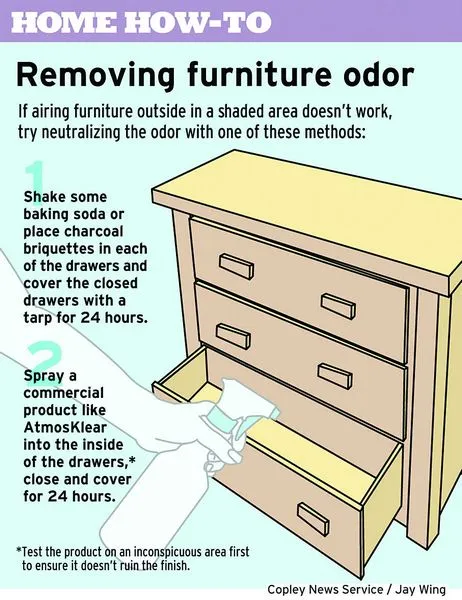
- Baking Soda: Baking soda is a natural odor absorber and can be used to neutralize musty smells.
- Activated Charcoal: Activated charcoal is another natural odor absorber that can be used to remove unpleasant smells from cupboards and wardrobes.
- Essential Oils: Certain essential oils, such as lavender and tea tree oil, have antibacterial properties that can help combat mould and mildew growth.
Cleaning and Disinfecting
In addition to using remedies, it’s also essential to clean and disinfect your cupboards and wardrobes regularly. This will help prevent the buildup of dirt, dust, and other substances that can contribute to unpleasant odors.
Here are a few tips for cleaning and disinfecting:
- Regularly Clean: Regularly wipe down surfaces with a damp cloth to remove dirt and dust.
- Use a Disinfectant: Use a disinfectant spray or wipe to kill bacteria and other microorganisms that can contribute to unpleasant odors.
Preventative Measures
Finally, there are several preventative measures you can take to help prevent unpleasant odors in your cupboards and wardrobes:
- Regular Ventilation: Regularly open windows and doors to allow fresh air to circulate.
- Check for Leaks: Check for leaks or water damage and address any issues promptly.
By following these tips, you can help eliminate unpleasant odors from your cupboards and wardrobes. Whether you’re dealing with mould, mildew, or other types of odors, there are effective remedies and preventative measures you can take to restore a fresh and clean environment.
FAQs
- How often should I use a dehumidifier?: The frequency at which you use a dehumidifier depends on the humidity levels in your home. If you live in a humid climate, you may need to use it more frequently.
- Can I use baking soda and salt together?: Yes, you can use both baking soda and salt together as natural desiccants.
- How long does it take for activated charcoal to absorb odors?: The time it takes for activated charcoal to absorb odors varies depending on the type of odor and the amount of charcoal used.
By following these tips and remedies, you can help eliminate unpleasant odors from your cupboards and wardrobes.


