
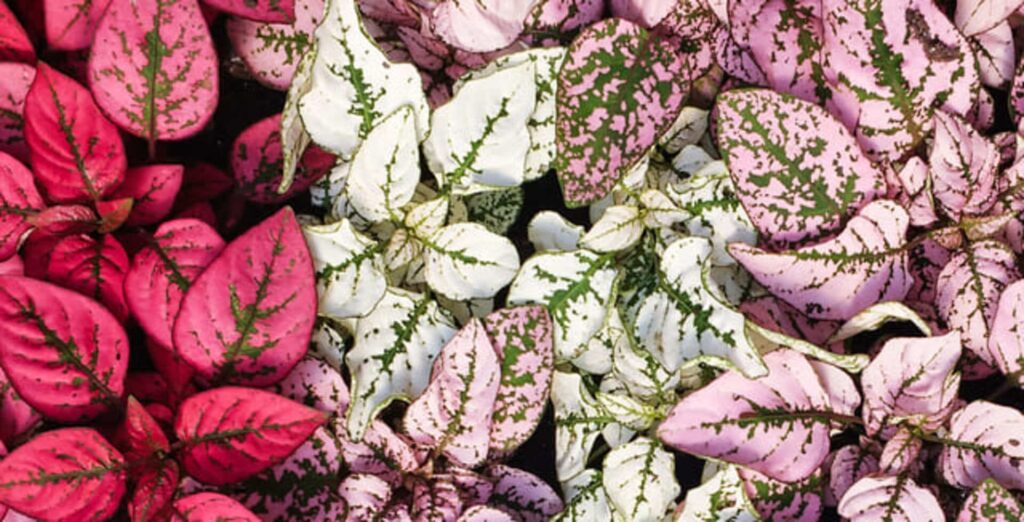
As an enthusiast of indoor plants, you may have come across the Hypoestes, a beautiful species native to Madagascar. With over 90 species to choose from, this plant is not only aesthetically pleasing but also relatively easy to care for. In this article, we will delve into the world of Hypoestes, exploring its characteristics, care requirements, and potential issues.
What are Hypoestes?
Hypoestes, also known as Polka Dot Plant, is a member of the Acanthaceae family. Its unique, spotted leaves make it a popular choice for indoor gardens. With over 90 species to choose from, each with its own distinct characteristics, Hypoestes is a versatile and fascinating plant.
Characteristics of Hypoestes
- Leaves: Hypoestes has long, thin leaves with striking, maculate spots. These spots can be red or pink in color, adding to the plant’s unique charm.
- Size: This plant is relatively small, growing up to 1 meter (3.3 feet) tall and wide.
- Foliage: Hypoestes has a glossy, waxy texture on its leaves, which helps retain moisture.
- Flowers: The flowers are small and not particularly showy but do come in shades of pink or purple.
Care Requirements for Hypoestes
To keep your Hypoestes happy and healthy, follow these care tips:
Exposure to Light
Hypoestes prefers bright, indirect light. Direct sunlight can be too intense for this plant, causing its leaves to become scorched. East- or west-facing windows are ideal.
Soil and Temperature
- Soil: Hypoestes thrives in well-draining soil rich in organic matter.
- Temperature: Keep the temperature between 15°C (59°F) and 20°C (68°F). Avoid placing it near drafty windows or radiators, as this can cause stress.
Watering
Hypoestes requires regular watering but avoid overwatering. Check the soil moisture by inserting your finger into the soil up to the first knuckle. If the soil feels dry, it’s time to water.
Propagation and Maintenance
- Propagation: Hypoestes can be propagated through stem cuttings or leaf propagation.
- Pruning: Regular pruning encourages bushy growth and prevents the plant from becoming leggy. Remove any dead or damaged leaves or stems.
Common Issues with Hypoestes
- Pests: Aphids, whiteflies, and spider mites can infest Hypoestes. Check for signs of infestation regularly and treat promptly.
- Diseases: Root rot and leaf spot are common issues in this plant. Ensure good air circulation and prune infected areas to prevent the spread.
Interesting Facts about Hypoestes
- The name “Hypoestes” is derived from Latin, meaning “under the house.” This refers to the way the calyx of the flower covers the bracts.
- In British gardening circles, the Hypoestes phyllostachya has won several awards for its unique foliage.
Conclusion
Hypoestes is a beautiful and versatile indoor plant that can add a touch of elegance to any space. By understanding its care requirements, potential issues, and propagation methods, you can enjoy this lovely plant for years to come.
Frequently Asked Questions
Q: Can I grow Hypoestes outdoors?
A: While it’s technically possible, Hypoestes prefers the comfort of indoor conditions due to its sensitivity to temperature fluctuations.
Q: How often should I water my Hypoestes?
A: Check the soil moisture regularly and water only when necessary. Overwatering can lead to root rot.
Q: Can I propagate Hypoestes through division?
A: No, Hypoestes is not typically propagated this way. Stem cuttings or leaf propagation are preferred methods.
Q: What’s the best fertilizer for Hypoestes?
A: Use a balanced, water-soluble fertilizer at half strength. Dilute according to the manufacturer’s instructions to avoid burning the roots.
Q: How often should I fertilize my Hypoestes?
A: Feed your Hypoestes during the growing season (spring and summer) with a balanced fertilizer. Reduce or stop fertilizing during the dormant period (fall and winter).
Q: Can Hypoestes grow in low-light conditions?
A: While Hypoestes can tolerate some low light, it will not thrive in extremely dark environments.
Q: How often should I prune my Hypoestes?
A: Regular pruning encourages bushy growth. Remove any dead or damaged leaves or stems to maintain the plant’s appearance and prevent disease.
Q: Can I propagate Hypoestes through leaf cuttings?
A: Yes, Hypoestes can be propagated using leaf cuttings. However, this method may not result in as high of success rates as stem cutting propagation.
Q: How often should I repot my Hypoestes?
A: Repot your Hypoestes every 1-2 years to refresh the soil and provide a larger pot if necessary.


