
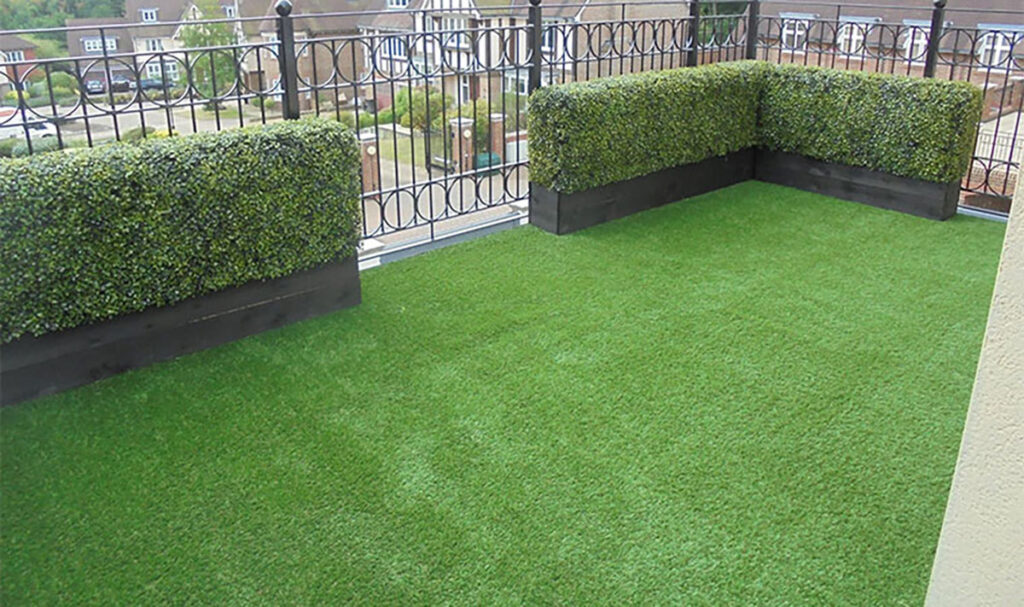
Are you looking to add some greenery to your outdoor space? Installing artificial turf on your patio can be a great option. However, it’s essential to note that the process is different from installing it in a garden. In this article, we’ll explore the key considerations and steps involved in installing artificial turf on your patio.
Understanding the Basics
Before we dive into the nitty-gritty, let’s cover some basics. Artificial turf, also known as synthetic grass, is made up of several layers that work together to create a lush, green surface. The bottom layer, called the backing, is usually made of lattice or other materials that provide stability and support.
When it comes to installing artificial turf on your patio, there are a few things you need to consider before starting the project.
Is Your Patio Level?
Before installing artificial turf on your patio, make sure the surface is level. Most models of artificial grass come with a foundation in lattice that can adapt to any type of surface. If your patio has a smooth, even surface, you’ll be more likely to achieve good results. However, if your surface is uneven or has a lot of imperfections, you may need to take extra steps to level it out.
Managing Water Flow
One of the biggest concerns when installing artificial turf on your patio is managing water flow. Since patios are often more prone to water accumulation than gardens, you’ll want to make sure that water flows freely and doesn’t accumulate around the edges. Look for artificial grass products with built-in drainage features, such as tiny holes in the backing layer.
Fixing Artificial Turf to Pavement
When it comes to fixing artificial turf to pavement, there are a few options available. You can use a combination of nails or staples to secure the turf in place, but this can lead to issues with water infiltration and damage to the surrounding surface. Alternatively, you can use a type of adhesive that is compatible with the backing layer of the artificial grass.
However, using an adhesive can be tricky, especially if you’re not experienced with DIY projects. In my own experience, I found it easier to fix artificial turf to pavement by simply placing heavy objects on the surface and adjusting as needed. If you do decide to use adhesives, make sure to choose a product that is specifically designed for your type of flooring.
Choosing the Right Location
When selecting a location for your patio, consider factors such as sunlight and wind exposure. Artificial turf can withstand both sunlight and wind, but excessive sun or wind can cause fading or damage over time.
It’s also essential to consider the direction of traffic flow on your patio. Make sure that the artificial grass is installed in a way that allows for easy access and movement.
Where to Buy Artificial Turf
Finally, when it comes to buying artificial turf, there are several options available online and in-store. Be sure to research different products before making a purchase, as prices and quality can vary significantly.
Some popular options include Amazon, which offers a range of artificial grass products with over 550 positive reviews and an average rating of 4.5 out of 5 stars.
Types of Artificial Turf
Before we dive into the installation process, it’s essential to understand the different types of artificial turf available. Some common types include:
- Perforated Artificial Grass: This type of artificial turf features a perforated backing layer that allows for better water flow and drainage.
- Non-Perforated Artificial Grass: This type of artificial turf does not have a perforated backing layer, but is still designed to provide excellent drainage and water flow.
- Infill-Less Artificial Grass: This type of artificial turf features an infill material, such as rubber or sand, that helps to fill in the gaps between the blades of grass. However, it does not contain any small plastic fibers.
Installation Steps
Once you’ve chosen your artificial turf and location, it’s time to start the installation process. Here are some general steps to follow:
- Clear the Area: Clear the area where you plan to install the artificial turf, removing any debris or obstructions.
- Level the Surface: Use a spirit level to determine if the surface is even and then make adjustments as needed.
- Lay Down the Underlayment: Lay down an underlayment material, such as a layer of sand or rubber, to provide additional stability and support for the artificial turf.
- Unroll the Artificial Turf: Unroll the artificial turf and begin installing it in sections, starting at one corner and working your way across the patio.
- Secure the Artificial Turf: Use a combination of nails or staples to secure the artificial turf in place, making sure to follow the manufacturer’s instructions.
Tips and Tricks
Here are some additional tips and tricks to help you achieve success with your artificial turf installation:
- Use a Leveling Compound: If your patio surface is uneven, consider using a leveling compound to create a smooth, even surface.
- Choose a UV-Stabilized Artificial Turf: Choose an artificial turf that is specifically designed to be UV-stable, as this will help it last longer and withstand the elements better.
- Use a Weed Barrier Fabric: Consider using a weed barrier fabric under your artificial turf to prevent weeds from growing up through the surface.
Conclusion
Installing artificial turf on your patio can be a great way to add some greenery to your outdoor space. By following these steps and considering the key factors mentioned above, you can create a beautiful and functional area for relaxation and entertainment. Just remember to choose the right product, take your time, and enjoy the process!
Frequently Asked Questions
- How do I level my patio for artificial turf installation?
- Can I use nails or staples to secure artificial turf to pavement?
- What types of adhesives are compatible with artificial turf?
- How do I prevent water accumulation around the edges of my patio?
- What are some popular options for buying artificial turf online and in-store?
- How long does it take to install artificial turf on my patio?
- What are some common mistakes to avoid when installing artificial turf?
By answering these questions and following the steps outlined in this article, you’ll be well on your way to creating a beautiful and functional outdoor space that you’ll enjoy for years to come.
Installing artificial turf can seem like a daunting task, but with the right knowledge and preparation, it’s achievable. Don’t be afraid to ask for help if needed or consult professionals to ensure success in this endeavor.


