
Introduction
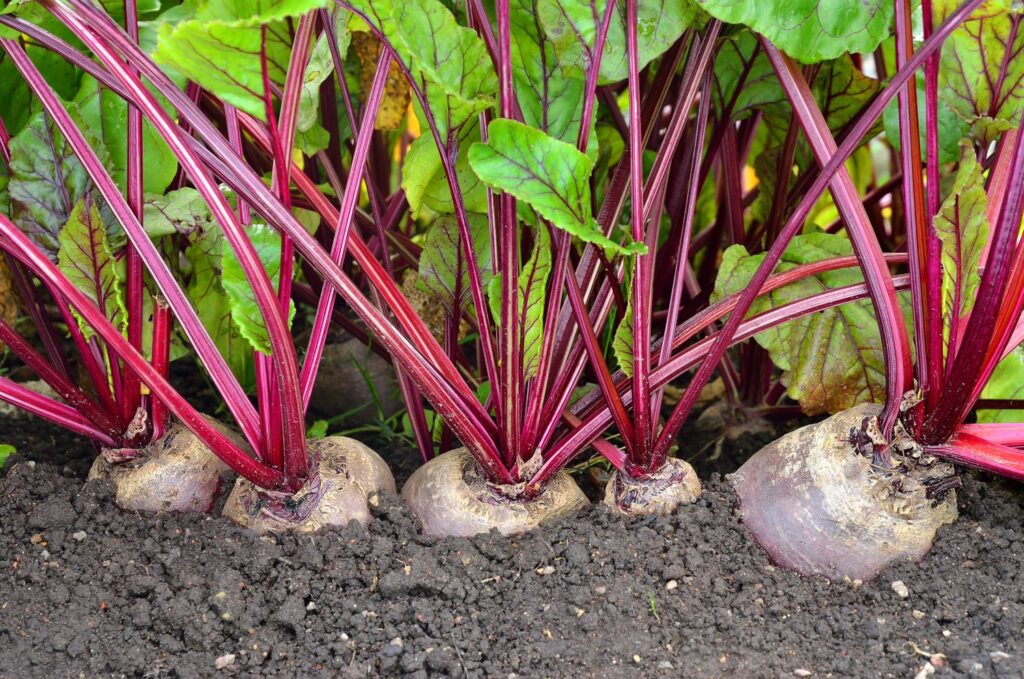
Red beets, also known as barbe or chard, are a popular root vegetable that has been cultivated for centuries. With its sweet and earthy flavor, red beets have become a staple in many cuisines around the world. In this article, we will delve into the world of growing red beets, covering everything from climate and soil requirements to harvesting and caring for these delicious roots.
What is Red Beet?
Red beet (Beta vulgaris) is a type of root vegetable that belongs to the Amaranthaceae family. It is a biennial plant that grows in temperate climates and can be grown in various regions around the world. There are several varieties of red beets, including barbe rosse, chard, and rape rossa, each with its unique characteristics and uses.
History of Red Beets
Red beets have been cultivated for over 2,000 years, dating back to ancient Rome and Greece. They were highly valued for their sweet flavor and nutritional properties. In the Middle Ages, red beets were a staple crop in Europe, where they were grown in home gardens and used as a food source.
Growing Red Beets
Red beets are easy to grow and can thrive in a variety of conditions. Here are some tips for growing red beets:
- Climate: Red beets prefer temperate climates with moderate temperatures and adequate rainfall.
- Soil: Red beets prefer well-draining soil that is rich in organic matter.
- Sowing: Sow seeds directly into the ground in early spring or late summer/early fall, about 1-2 inches deep and 1 inch apart.
- Watering: Keep the soil consistently moist during the first few weeks after sowing. Water regularly once established.
Varieties of Red Beets
There are several varieties of red beets, including:
- Barbe rosse: A popular variety with large, sweet roots.
- Chard: A variety with flat, leafy greens that can be used in salads and cooked dishes.
- Rape rossa: A variety with small, round roots that are often pickled or preserved.
Harvesting Red Beets
Red beets are ready to harvest about 3 months after sowing. Here are some tips for harvesting red beets:
- Timing: Harvest when the roots are between 1-2 inches in diameter and the greens are still tender.
- Method: Dig carefully around the plant, making sure not to damage the taproot or disturb the surrounding soil.
- Storage: Store harvested red beets in a cool, dry place with good ventilation.
Rotating Crops
Red beets can be grown in rotation with other crops to improve soil health and reduce pests and diseases. Here are some tips for rotating crops:
- Non-beet crops: Rotate with non-beet crops like beans, corn, or squash.
- Crop duration: Plant beet crops every 3-4 years to allow the soil to recover.
Nutritional Value of Red Beets
Red beets are an excellent source of nutrients, including:
- Fiber
- Vitamins A and C
- Potassium
- Manganese
Health Benefits of Red Beets
Red beets have been associated with several health benefits, including:
- Cancer prevention: Some studies suggest that red beets may help prevent certain types of cancer.
- Cardiovascular health: The fiber and antioxidants in red beets may help lower cholesterol levels and reduce the risk of heart disease.
Tips for Growing Red Beets
Here are some additional tips for growing red beets:
- Soil Preparation: Before sowing seeds, prepare the soil by adding organic matter like compost or manure.
- Pest Control: Keep an eye out for pests like slugs and snails, which can damage the plants.
- Fertilization: Feed your red beet plants with a balanced fertilizer once a month to promote healthy growth.
Conclusion
Growing red beets is a simple and rewarding process. By following these tips, you can enjoy delicious and nutritious roots all season long. Whether you’re a seasoned gardener or just starting out, we hope this guide has provided you with the information you need to grow amazing red beets.
FAQs
Here are some frequently asked questions about growing red beets:
- Can I grow red beets in containers?
A: Yes, but make sure the container is at least 6-8 inches deep and has good drainage. - How often should I water my red beet plants?
A: Keep the soil consistently moist during the first few weeks after sowing. Water regularly once established. - Can I grow red beets in a greenhouse?
A: Yes, but make sure the temperature and humidity levels are suitable for the plant. - How long does it take to harvest my red beet plants?
A: About 3 months after sowing, when the roots are between 1-2 inches in diameter and the greens are still tender. - Can I grow red beets in poor soil?
A: Yes, but you may need to add organic matter or fertilizers to improve soil fertility. - How do I care for my red beet plants during winter months?
A: Cover the plants with a layer of straw or mulch to protect them from frost and extreme temperatures. - Can I grow multiple varieties of red beets together?
A: Yes, but make sure they have different growth habits and maturity dates to avoid competition for resources. - How do I store harvested red beet roots?
A: Store in a cool, dry place with good ventilation.
Additional Resources
If you’re looking for more information on growing red beets, here are some additional resources:
- National Gardening Association: The National Gardening Association has a wealth of information on growing vegetables, including red beets.
- Gardening Know How: Gardening Know How is an online resource that provides tips and advice on gardening, including growing red beets.
- Seed Savers Exchange: Seed Savers Exchange is a non-profit organization dedicated to preserving heirloom seeds, including those used for growing red beets.
By following these tips and resources, you’ll be well on your way to growing delicious and nutritious red beets in no time!


