
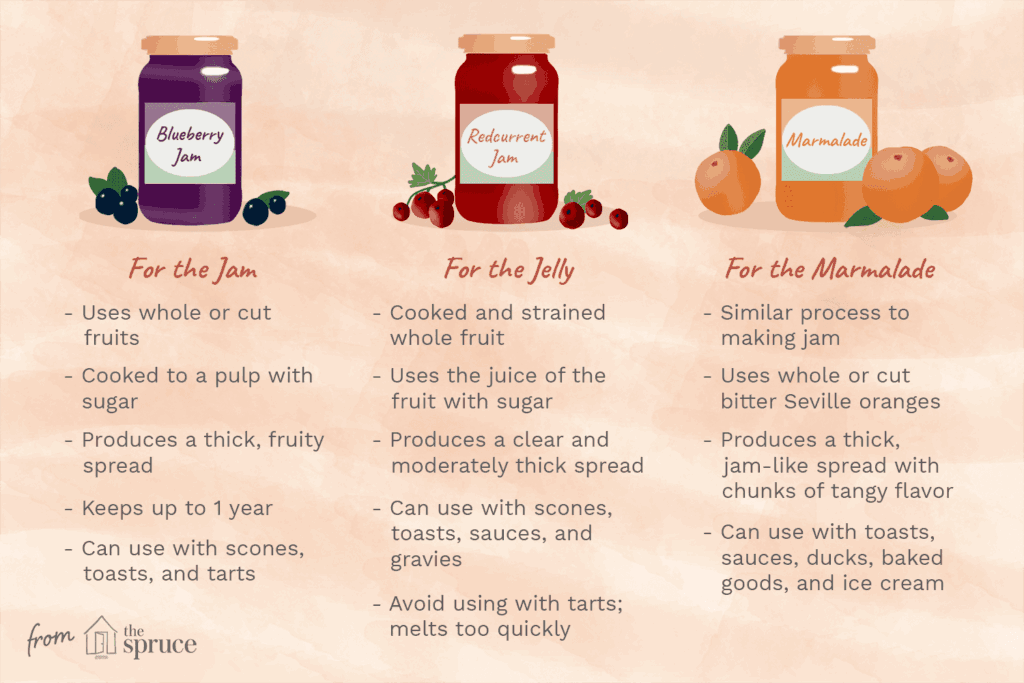
As we wander through the aisles of our local supermarket or browse through recipe books, we often find ourselves wondering about the difference between marmalade and jam. Two seemingly similar sweet treats that have been delighting our taste buds for centuries. But are they truly identical? In this article, we’ll delve into the world of fruit preserves and uncover the secrets that set marmalade and jam apart.
The Age-Old Question: What’s the Difference between Marmalade and Jam?
For many of us, the distinction between marmalade and jam is nothing more than a culinary mystery. But for those who care to explore beyond the realm of simple fruit preserves, the answer lies in the ingredients, preparation methods, and even cultural traditions.
The European Perspective: A Directive for Marmalade and Jam
In 1979, the European Community issued a directive (79/693) that defined the characteristics of both marmalade and jam. While this directive didn’t have a significant impact on everyday consumers, it did establish clear guidelines for manufacturers to follow. For marmalade, the law requires a minimum of 20% fruit content by weight, while jams can be made with any type of fruit at a minimum level of 35%.
The Citrus Connection: Marmalade’s Unique Identity
Marmalade is unmistakably marmalade if it contains a certain amount of citrus fruit. According to the European directive, marmalades must include a minimum of 20% citrus fruits by weight, which can be orange, tangerine, lemon, citron, bergamot, or quince. This strict definition sets marmalade apart from its sweet and tangy cousin, jam.
The Fruit-Filled Frenzy: Jam’s Unlimited Possibilities
Jams, on the other hand, have no such limitations. They can be made with any type of fruit, as long as it contains a minimum of 35% fruit content by weight. This versatility has led to an explosion of flavors and combinations in the world of jam-making.
The Compote Conundrum: A Healthier Alternative
Compotes are often confused with jams and marmalades, but they have their own unique characteristics. Typically made with more fruit than sugar, compotes typically exceed 60% fruit content by weight. This higher fruit-to-sugar ratio makes compotes a healthier and richer alternative to traditional jams and marmalades.
The Art of Compote-Making
So, what sets compotes apart from their sweet counterparts? The answer lies in the ingredients and preparation methods. Unlike jams and marmalades, compotes are typically made with a higher proportion of fruit and minimal added sugar. This results in a more textured and flavorful spread that’s perfect for topping yogurt, oatmeal, or using as a filling.
From Oranges to Apples: The World of Marmalade Recipes
One of the most fascinating aspects of marmalade-making is the variety of ingredients used. From classic orange-marmalade recipes to innovative combinations like oranges and pears, the possibilities are endless. In fact, we can experiment with a range of fruits in our marmalade recipes, such as apples, plums, strawberries, or even figs and cinnamon.
Marmalade-Making 101: Tips for Beginners
So, what’s the secret to making delicious marmalades? The answer lies in using high-quality ingredients and careful preparation. Choose seasonal fruits, avoid over-maturing or sour fruits, and experiment with different flavor combinations. With practice and patience, you can create your own signature marmalade recipe that’ll delight family and friends.
The Classic Pairing: Jam and Biscuits
Marmalades, jams, and compotes are often paired with biscuits, cakes, and other sweet treats. But what makes this combination so special? For one, the textures and flavors complement each other perfectly. Marmalade’s tangy sweetness pairs beautifully with crunchy biscuits, while jam’s smoothness is elevated by the crumbly texture of cookies or toast.
The Ultimate Guide to Choosing Your Perfect Spread
So, how can you tell which marmalade, jam, or compote is right for you? Here are some key considerations:
- Fruit content: Look for a spread with a higher fruit content (at least 20% in the case of marmalades).
- Sugar level: Choose a spread with minimal added sugar.
- Texture: Consider the texture you prefer – smooth and silky or chunky and textured.
- Flavor profile: Select a spread that complements your favorite flavors and ingredients.
Conclusion
In conclusion, the world of marmalade, jam, and compote is far more complex than meets the eye. By understanding the differences between these sweet treats, you can choose the perfect spread for your taste buds and culinary adventures. Whether you’re a seasoned baker or a curious cook, there’s never been a better time to explore the world of fruit preserves.
Frequently Asked Questions
- Q: What’s the difference between marmalade and jam?
A: Marmalade typically contains a higher percentage of citrus fruits (at least 20%) compared to jams, which can be made with any type of fruit. - Q: Can I make my own marmalade at home?
A: Absolutely! With a few simple ingredients and some practice, you can create your own signature marmalade recipe. - Q: Are compotes healthier than traditional jams and marmalades?
A: Yes, compotes typically contain more fruit and less added sugar than their sweet counterparts. - Q: Can I use different types of citrus fruits in my marmalade recipe?
A: Absolutely! Feel free to experiment with various citrus fruits like lemons, limes, or bergamot to create unique flavor profiles. - Q: How do I store my homemade jam and compote?
A: Store your homemade jam and compote in airtight containers in the refrigerator for up to 6 months.
The Science of Fruit Preservation
Fruit preservation is an art that requires patience, care, and attention to detail. By understanding the science behind fruit preserves, we can unlock the secrets of creating delicious marmalades, jams, and compotes at home.
Preserving Freshness: The Importance of Sugar Content
Sugar content plays a crucial role in preserving fruit freshness. When fruits are high in sugar, they’re less prone to spoilage and fermentation. This is why many homemade jam and compote recipes include higher amounts of sugar than their commercial counterparts.
Understanding the Role of Acidity in Fruit Preservation
Acidity also plays a significant role in fruit preservation. Fruits that are naturally acidic, such as citrus fruits or berries, tend to preserve better than those with lower acidity levels. This is why marmalades and jams made from citrus fruits often include additional ingredients like citric acid or lemon juice to enhance their preservative properties.
The Art of Temperature Control: How Heat Affects Fruit Preservation
Temperature control is essential when it comes to fruit preservation. When fruits are heated too quickly or at too high temperatures, they can become overcooked and develop off-flavors. This is why many jam and compote recipes involve gentle heating processes, such as simmering or reducing, to preserve the natural flavors of the fruits.
Tips for Making the Perfect Jam
Making jam can be a fun and rewarding experience, but it requires attention to detail and practice. Here are some tips for making the perfect jam:
- Use high-quality ingredients: Fresh fruits, minimal added sugar, and good-quality pectin or acid regulators will result in a delicious jam.
- Follow tested recipes: Try out tried-and-true jam recipes to ensure success.
- Monitor temperature and acidity: Temperature control is crucial when it comes to jam-making. Aim for temperatures between 180°F and 190°F (82°C and 88°C) during the cooking process, and adjust acidity levels as needed.
Tips for Making the Perfect Marmalade
Making marmalade requires patience, skill, and attention to detail. Here are some tips for making the perfect marmalade:
- Use high-quality citrus fruits: Fresh oranges, lemons, or limes will result in a delicious and tangy marmalade.
- Remove seeds and peels carefully: Seeds can give marmalade an unpleasant texture, while peels can add bitterness. Make sure to remove them thoroughly to avoid these issues.
- Adjust acidity levels: Marmalades often require additional acidity regulators to achieve the perfect balance of flavors.
Tips for Making the Perfect Compote
Making compote is a great way to preserve fresh fruits in a healthier and more flavorful form. Here are some tips for making the perfect compote:
- Use high-quality ingredients: Fresh fruits, minimal added sugar, and good-quality acid regulators will result in a delicious compote.
- Monitor acidity levels: Acid regulators like lemon juice or citric acid can enhance the preservative properties of compotes.
- Store compotes properly: Compotes should be stored in airtight containers in the refrigerator to preserve freshness.
Conclusion
In conclusion, making marmalades, jams, and compotes requires attention to detail, practice, and patience. By understanding the science behind fruit preservation, we can unlock the secrets of creating delicious homemade spreads that will delight family and friends. Whether you’re a seasoned baker or a curious cook, there’s never been a better time to explore the world of fruit preserves.
Final Thoughts
Making marmalades, jams, and compotes is a fun and rewarding experience that requires attention to detail and practice. By understanding the differences between these sweet treats, we can choose the perfect spread for our taste buds and culinary adventures. Whether you’re a seasoned baker or a curious cook, there’s never been a better time to explore the world of fruit preserves.
Glossary of Terms
- Acid regulators: Ingredients like citric acid, lemon juice, or malic acid that help balance acidity levels in jams, marmalades, and compotes.
- Citrus fruits: Fruits from citrus trees, such as oranges, lemons, limes, or bergamot.
- Fruit content: The percentage of fruit used in a recipe, which can affect the texture and flavor of the final product.
- Marmalade: A sweet preserve made with citrus fruits, sugar, and water.
- Pectin: A natural occurring substance found in fruits that helps thicken jam and compote.
- Sugar content: The amount of sugar used in a recipe, which can affect the texture and flavor of the final product.
References
- The Joy of Cooking: A comprehensive cookbook that covers various aspects of cooking, including fruit preserves.
- The Fruit Preserver’s Handbook: A guide to making homemade jams, marmalades, and compotes using traditional techniques and recipes.
- The Science of Food Preservation: A textbook that explores the science behind food preservation, including fruit preserves.
Appendix
- Recipe List
- Classic Jam Recipe
- Homemade Marmalade Recipe
- Fresh Fruit Compote Recipe
- Measurement Conversions
- US to Metric Conversion Chart
- Fahrenheit to Celsius Conversion Chart
By following the tips and techniques outlined in this comprehensive guide, you’ll be well on your way to creating delicious homemade marmalades, jams, and compotes that will delight family and friends. Happy cooking!


