
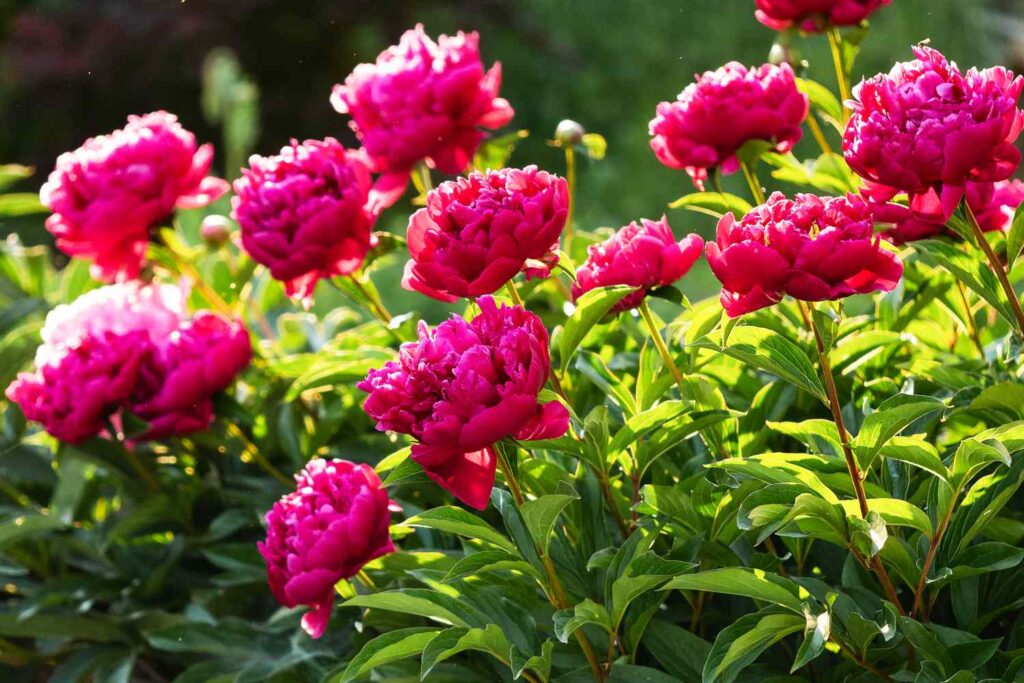
Peony, a unique genus within the Peoniaceae family (Paeoniaceae), refers to 33 perennial herbaceous plants. There are those more shrub-like, and those less so, often boasting rich and colorful flower displays. Not to mention the fragrance! In fact, peonies are viewed primarily as ornamental plants in gardens, lawns, or even pots on terraces or public spaces.
Varieties of Peonies
The edible varieties, whether they have simple or double flowers, any color, are in high demand and cultivated commercially to obtain the cut flower. This overexposure to the spotlight overshadows the medicinal properties of this plant, which are not, however, ignored.
There are two main types of peonies: herbaceous and arboreal. The herbaceous varieties have single or double flowers with a delicate scent, while arboreal species are more robust and can grow up to 1.5 meters in height.
Edible varieties include P. lactiflora, P. tatarica, and P. officinalis. These species offer white, pink, and red flowers that can be consumed raw or used in salads. They also have medicinal properties, such as anti-inflammatory and antioxidant effects.
In contrast, non-edible varieties are often used for their ornamental value. These include the popular Shirofugen (Paeonia suffruticosa) and other species like P. lutea and P. bohemica.
Peony: Meaning
In Japan, peonies are considered “Food for Dragons,” but their name originates from Greek physician Paeon, who healed Pluto according to Homer. Etymologically speaking, the assumption is that it comes from the Greek word “paionia” (female), meaning “salvific” or “savior”: possibly due to the medicinal properties of the plant’s roots.
Beyond its name, this flower has a dual connection with love and partnerships, as it is often used in wedding ceremonies: celebrating the 12th anniversary of marriage, for example. When searching for an ideal partner, they suggest placing a Peonia painting or vase in the southwest corner of the bedroom.
This unique tradition suggests that peonies have been associated with love and relationships for centuries. In traditional Chinese culture, peonies are believed to aid men and women in living harmoniously together. They also symbolize good fortune, prosperity, and happiness.
In Japan, there are numerous paintings and haikus dedicated to this flower, dating back to 1700. The white Peonia is often associated with virginal purity of young girls, while the red one represents eroticism.
Peony: The Flower
The Peony has loose, leafy foliage and large, colorful flowers. Its seeds contain dark, large seeds. All edible varieties can be divided into two groups: the herbaceous ones and those that are leggy or arboreal (trees).
These herbaceous plants originate from Europe’s P. officinalis and have unscented flowers. The Siberian P. lactiflora, on the other hand, has scented flowers with various colors, including white and red.
The second group includes species originating from China and Japan, which are rustic and easy to cultivate, resistant to summer droughts and generous in their spring blooms.
Both groups can be found in scattered areas across both hemispheres. In Europe, they are mainly located in the southern and eastern regions, in North Africa (as isolated patches), in North America only on the Pacific coast, while in Asia, peonies are abundant in Siberia, China, Japan, and the entire Asian Minor.
Paeonia Officinalis: Medicinal Properties
If the meanings of this flower have left you speechless, its medicinal properties will not disappoint. Already in ancient times, the root of peony was used to treat various ailments according to popular medicine. It supposedly helped children lose teeth and was a key component in treating epilepsy, headaches, and restlessness.
In Japan, the flowers are consumed as vegetables, while globally, they are used in the preparation of homeopathic remedies and herbal products. The Peony is believed to possess sedative, antispasmodic, antiallergic, anticonvulsive, and anti-inflammatory properties.
These conditions include migraines, hemorrhoids, diarrhea, muscle cramps, high heart rate, and spasms. It’s an excellent option for people suffering from anxiety, stress, and excessive excitement.
The active compounds present in the plant are tannins, cellulose, phosphoric acid, oxalates, starch, alkaloids, paenol, and paeoniflorin.
Peony: Cultivation
Despite its beauty and explosive flowering, peonies can be surprisingly easy to cultivate. They require full sun or partial shade and well-fertilized soil with organic, neutral, or slightly acidic properties, without high levels of calcium.
When planting a peony, it’s essential not to overcrowd the roots of other plants, as even though they’re not massive, they deserve space for growth and flowering.
In their arboreal version, peonies can grow up to 1.5 meters in height, while the herbaceous variety reaches a maximum of 60 cm or 1 meter.
Peony in Pots
Given its meaning and medicinal properties, it’s worth considering having this flower in your home for a few euros. Even without a garden, you can put peonies in pots by planting 20 seeds of blue Peony.
This is a cost-effective way to grow peonies and allows you to enjoy their beauty year-round. With proper care, these plants will thrive indoors and provide a burst of color during the winter months.
Peony: Price
Considering the pros and cons (results and effort), peonies are an excellent choice even for inexperienced growers. Searching online for seeds is another option, especially for those with limited budgets. You might find edible seeds on sale at low prices.
You can also purchase seedlings from nurseries or gardening stores, which will give you a head start on growing your own peony plants.
In addition to the cost of seeds and seedlings, you’ll need to consider other expenses such as soil preparation, fertilizers, and pest control. However, with proper care and maintenance, peonies can be a rewarding and beautiful addition to any garden or indoor space.
Conclusion
Peonies are a unique and versatile flower that offers many benefits beyond their beauty and fragrance. Whether you’re looking for an ornamental plant, a medicinal herb, or a romantic symbol, peonies have something to offer.
From their origins in ancient Greece to their modern-day cultivation, peonies have evolved into a popular choice among gardeners, cooks, and flower enthusiasts alike. With proper care and attention, these beautiful plants can thrive indoors and outdoors, providing a burst of color and beauty year-round.
Whether you’re a seasoned gardener or just starting out, peonies are an excellent choice for anyone looking to add some excitement and romance to their garden or home. So why not give them a try?


