
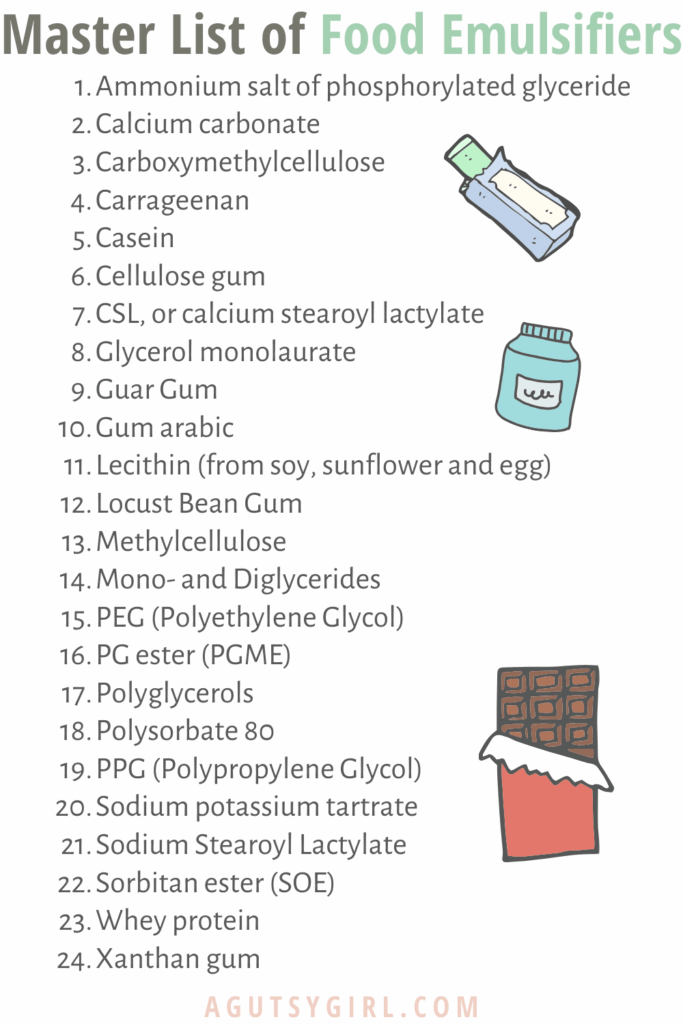
As we navigate the world of food products, it’s easy to get overwhelmed by the numerous ingredients listed on labels. One common additive that often raises questions is food emulsifier. But what exactly are these substances, and which ones should you avoid?
What Are Food Emulsifiers?
A food emulsifier functions as a tensioactive, allowing all ingredients to form a stable dispersion. Think of it like a special kind of glue that holds together the different components of a product. For example, when you add oil to water, the two liquids separate perfectly. Adding a food emulsifier like soy lecithin makes the oil miscible with water, creating a continuous phase and a white liquid.
Emulsifiers are commonly used in a wide range of products, including baked goods, sauces, dressings, beverages, and even candies. They help to stabilize mixtures that would otherwise separate into distinct layers, such as oil and water. This is particularly important in the food industry, where emulsifiers can be used to create stable foams, improve texture, and enhance shelf life.
Understanding Food Emulsifiers on Labels
On food labels, emulsifiers are identified by various numerical codes preceded by the letter E. This letter indicates different classes of additives, including colorants, stabilizers, thickeners, antioxidants, and preservatives. Some emulsifiers can be used as coadjuvants for other additives, so a single code can identify multiple substances.
For example, the code E476 refers to poliglycerol ester, which is an emulsifier used in various products, including Japanese-style fish products, meat-based products, fruit preparations, and desserts. Similarly, the code E551 – E552 refers to bioside di silicio (E551) and silicato di calcio (E552), which are both used as emulsifiers in various applications.
Safe to Eat: Which Emulsifiers Are Acceptable?
Emulsifiers are found in both direct and indirect additions to food products. In indirect additions, emulsifiers are used as coadjuvants of other additive ingredients, such as colorants. Let’s take a closer look at some common emulsifiers and their safety ratings:
E476: Poliglycerol Ester (E476)
E476 is an emulsifier used in the production of colorants. It’s commonly found in Japanese-style fish products, meat-based products, fruit preparations, and desserts. This emulsion agent is a combination of polyglycerol and ricin oil, which can have either animal or vegetable origins. While no negative health effects are currently known, there are recommended dosages to follow.
E551 – E552: Bioside di Silicio (E551) and Silicato di Calcio (E552)
Bioside di silicio is used in beer production and is found in chewing gum and many packaged products. This additive is considered safe for human health, but the E552, silicato di calcio, may be harmful to human health, with studies yielding conflicting results. It’s commonly found in cheese, salt, chewing gum, salad dressings, and other processed foods.
E1520: 1,2-Propandiolo Glicole Propilenica
This code indicates a coadjuvant present in various additive ingredients, which is also used as a colorant and antioxidant, in addition to an emulsifier. This same substance is used as the main component of modern ice melt liquids. While considered safe for dogs, it’s also suitable for human consumption.
E320 – E321: BHA (Butilidrossianisolo) and BHT (Butilidrossitoluene)
These two emulsifiers containing fatty acids should be avoided due to their negative health effects. They’re found in frozen foods, potato chips, and other packaged products. The International Agency for Research on Cancer (AIRC) has included the butylated hydroxyanisole (E320) in its list of carcinogenic substances.
E341: Phosphate Calcium Compounds
This code indicates various phosphate calcium compounds used as emulsifiers and additives in other products, including E412, which refers to gomma di guar.
Lecithin: A Natural Food Emulsifier
Lecithin from soy is used as an emulsifier but is not classified as such. On the additive table, it’s listed as a colorant and liposoluble antioxidant. Lecitin from soy is considered a natural food emulsifier and is safe for consumption.
The Risks of Food Emulsifiers
While some emulsifiers are generally recognized as safe (GRAS) by regulatory agencies, others have been linked to negative health effects. Some common risks associated with food emulsifiers include:
- Allergic reactions: Some people may be allergic to certain emulsifiers, which can cause symptoms such as hives, itching, and difficulty breathing.
- Cancer risk: Certain emulsifiers, such as BHA and BHT, have been linked to an increased risk of cancer in some studies.
- Hormone disruption: Some emulsifiers may mimic or interfere with hormones in the body, which can lead to problems such as thyroid disease or reproductive issues.
Conclusion
When navigating the world of food products, it’s essential to be aware of the various ingredients used in their production. By understanding what food emulsifiers are and which ones to avoid, you can make informed decisions about the products you consume.
Frequently Asked Questions (FAQs)
Q: What is the purpose of food emulsifiers?
A: Food emulsifiers function as a tensioactive, allowing all ingredients to form a stable dispersion.
Q: Are all emulsifiers safe to eat?
A: No, some emulsifiers can have negative health effects. It’s essential to be aware of their safety ratings and avoid those that are known to be harmful.
Q: How do I identify food emulsifiers on labels?
A: Food emulsifiers are identified by various numerical codes preceded by the letter E.
Q: Can I always trust what’s listed on a food label?
A: No, while food labels provide essential information, they may not always be accurate or comprehensive. It’s essential to do your research and consult with reputable sources when in doubt.
Q: Are there any natural alternatives to food emulsifiers?
A: Yes, there are several natural alternatives available, including xanthan gum, natural emulsifiers, and gomma arabica.
Q: Can I avoid all emulsifiers by choosing organic products?
A: While choosing organic products can reduce your exposure to some emulsifiers, it’s not a foolproof solution. Some emulsifiers may be present in organic products as well.


