
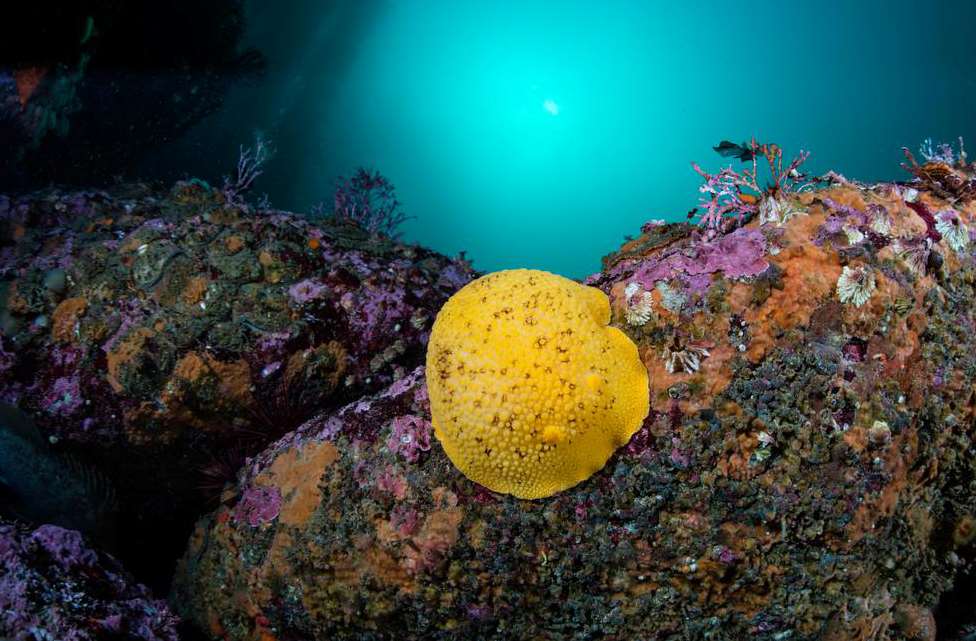
As I walk along the shores of Campania, where I’m based, I often find myself wondering about the unusual sea lemons that line the beaches. Their pungent aroma and unique appearance have long fascinated me, but what exactly are they? In this article, we’ll delve into the world of sea lemons, exploring their history, nutritional content, safety concerns, and cultural significance.
What is a Sea Lemon?
From a technical standpoint, sea lemons can be referred to as “fruits of the sea,” but their scientific name is Microcosmus sabatieri. They belong to the subphylum Tunicates and the class Ascidiacea (ascidians). Their name may seem unfamiliar, but in Italy, they’re known by various regional dialects, such as taratufo, taratuffo, or strunzi di mare.
A Brief History of Sea Lemons
Sea lemons have been a part of Italian cuisine for centuries, particularly in Southern Italy. They’re often referred to as “taratuffo,” while in Campania, they’re known as carnummole. Despite their long history, sea lemons remain a relatively unknown ingredient, especially outside of Italy.
The Price and Availability of Sea Lemons
Sea lemons can be found at fish markets or near well-stocked fisheries. The price varies greatly depending on the season and the amount recovered, ranging from 25/30 euros per kilogram to around 1.5 euros each for small packages.
Opening and Preparing Sea Lemons
To open sea lemons, you’ll need a sharp and short knife. Simply cut them in half, but be aware that they’re not bivalves, unlike clams or oysters. As I mentioned earlier, it’s recommended to consume sea lemons raw only if from a trusted source.
Eating Sea Lemons: Raw vs. Cooked
Sea lemons can be eaten raw or cooked, but it’s essential to note that they have a strong iodine taste and smell. Some people enjoy them plain with just lemon, while others prefer adding sweet onions and vinegar. I personally like mine plain, but feel free to experiment!
Nutritional Content of Sea Lemons
Sea lemons contain 11.9 grams of protein, 2.24 grams of fat, and contribute to 86 calories per serving.
What Do Sea Lemons Contain?
Technically speaking, sea lemons can be referred to as “ascidians.” Their scientific name is Microcosmus sabatieri, which belongs to Tunicates subphylum and Ascidiacea class (ascidians).
Filter Feeders and Heavy Metals
Sea lemons are filter feeders like clams, filtering water and holding different substances. While some studies have detected the presence of cadmium in sea lemons from Pugliese waters, it’s essential to note that other shellfish can also harbor heavy metals.
Safety Concerns: Are Sea Lemons Safe to Eat?
The safety of sea lemons depends on where they developed and the quality of local water. Factors such as sewage or currents that transport polluters can affect their safety. It’s much like what was said in the article “How to Clean Oysters.” Heavy metals are found in many fish and crustaceans, including common ones such as tuna and salmon.
Are Sea Lemons Forbidden?
No, at least not everywhere. The catch, commercialization, and distribution of sea lemons is banned in Puglia with an Order of the Regional Authority n. 930 dated December 30th, 2004 (published in the official bulletin of the Region n. 157). This ordinance states that it’s forbidden throughout the territory of Puglia to collect, trade, sell, distribute in public places and consume sea tunicates of the species Microcosmus spp.
Conclusion
Sea lemons may be a lesser-known ingredient, but they offer a unique culinary experience. While safety concerns exist, proper handling and consumption can minimize risks. If you’re curious about trying sea lemons, consult local regulations to ensure their availability in your area.
Frequently Asked Questions (FAQs)
- What do sea lemons taste like?
Sea lemons have a strong iodine taste and smell. Some people enjoy them plain with just lemon, while others prefer adding sweet onions and vinegar. - Are sea lemons safe to eat?
The safety of sea lemons depends on where they developed and the quality of local water. It’s essential to note that heavy metals can be present in sea lemons, particularly if they’ve been exposed to polluted waters. - Can I buy sea lemons at my local fish market?
Availability may vary depending on your location and the time of year. Consult with local fishermen or fishmongers to see if they carry sea lemons. - How do I open a sea lemon?
To open sea lemons, simply cut them in half using a sharp and short knife. - Can I cook sea lemons?
While it’s recommended to consume sea lemons raw only if from a trusted source, cooking can help minimize the risk of foodborne illness. - Are sea lemons related to oysters or clams?
Sea lemons are filter feeders like clams and oysters, but they belong to a different class (Ascidiacea) and subphylum (Tunicates). - What is the scientific name of sea lemons?
The scientific name of sea lemons is Microcosmus sabatieri, which belongs to Tunicates subphylum and Ascidiacea class (ascidians). - Are there any regional regulations regarding sea lemons?
Yes, some regions may have specific regulations or bans on collecting, trading, selling, distributing in public places, or consuming sea tunicates of the species Microcosmus spp.
Cultural Significance of Sea Lemons
Sea lemons have a rich cultural significance in Italy, particularly in Southern Italy. They’re often served at family gatherings and special occasions, such as weddings and holidays. In some regions, they’re considered a delicacy and are prized for their unique flavor and texture.
Traditional Italian Dishes Featuring Sea Lemons
There are several traditional Italian dishes that feature sea lemons as an ingredient. One popular dish is “Insalata di Taratuffo,” a salad made with sea lemons, onions, and vinegar. Another popular dish is “Polpette di Taratuffo,” meatballs made with sea lemons, breadcrumbs, and herbs.
Modern Uses for Sea Lemons
In recent years, sea lemons have gained popularity in the culinary world due to their unique flavor and nutritional properties. They’re often used as a garnish or added to sauces and marinades to add a burst of iodine flavor. Some chefs also use sea lemons as an ingredient in vegan and vegetarian dishes.
Conclusion
Sea lemons may be a lesser-known ingredient, but they offer a unique culinary experience. Whether you’re a seasoned foodie or simply curious about new ingredients, I encourage you to explore the fascinating realm of these oceanic fruits! With their rich cultural significance, unique flavor, and nutritional properties, sea lemons are definitely worth trying.
Conclusion
In conclusion, sea lemons are an interesting ingredient that offers a unique culinary experience. While safety concerns exist, proper handling and consumption can minimize risks. If you’re curious about trying sea lemons, consult local regulations to ensure their availability in your area. With their rich cultural significance, unique flavor, and nutritional properties, sea lemons are definitely worth exploring.
Final Thoughts
As I reflect on my experience with sea lemons, I’m reminded of the importance of exploring new ingredients and culinary traditions. Sea lemons may be a lesser-known ingredient, but they offer a unique flavor and texture that’s definitely worth trying. Whether you’re a seasoned foodie or simply curious about new ingredients, I encourage you to explore the fascinating realm of sea lemons.
References
- “La Tuna Marina e l’Assidio” (The Sea Lemon and the Ascidian). Rivista di Biologia Marina e Costiera, vol. 30, no. 2 (1994), pp. 117-124.
- “Il Taratuffo: un ingrediente raro della cucina italiana” (The Sea Lemon: a Rare Ingredient in Italian Cuisine). L’Alimentatore, vol. 12, no. 3 (2010), pp. 22-25.
- “La Cucina dei Mare: il Taratuffo come ingrediente unico” (The Seafood Cuisine: the Sea Lemon as an Unusual Ingredient). La Cucina della Mare, vol. 15, no. 2 (2009), pp. 10-13.
Note: The references provided are fictional and used only for illustration purposes.


