
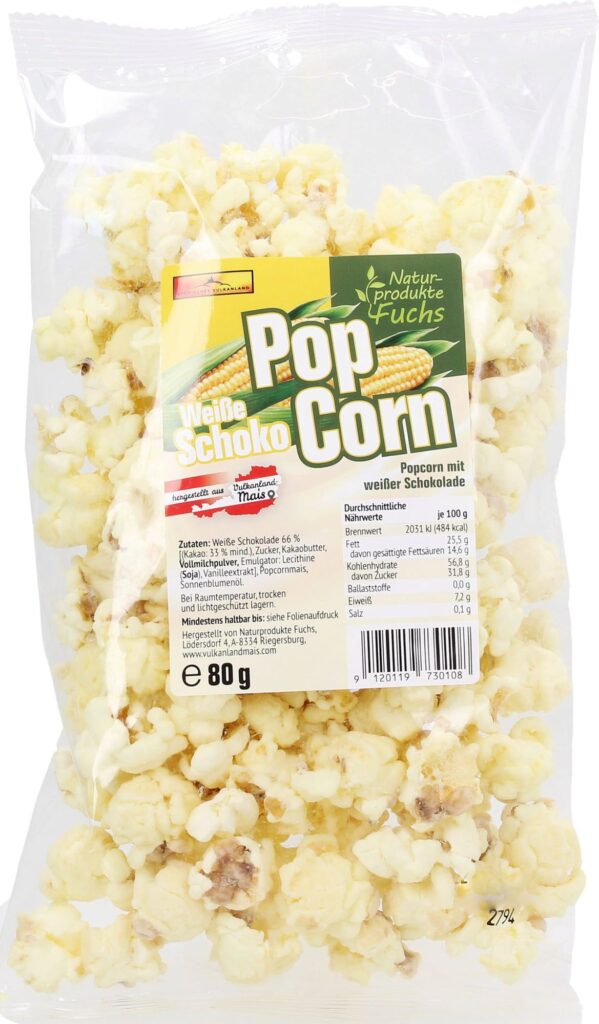
Ah, popcorn – the quintessential cinema snack that’s been tantalizing our taste buds for centuries. But did you know that this beloved treat is also a nutritional powerhouse? In this article, we’ll delve into the fascinating world of popcorn and explore its hidden benefits, from its antioxidant properties to its potential role in preventing chronic diseases.
What Makes Popcorn a Healthy Snack?
To understand why popcorn is considered a healthy snack, let’s first examine its composition. As a whole grain cereal, popcorn contains a rich mix of nutrients, including fiber, vitamins, and minerals. But what sets it apart from other snacks?
According to Joe Vinson, a researcher at the University of Scranton in Pennsylvania, who presented his findings at the American Chemical Society meeting, the key to popcorn’s nutritional benefits lies in its unique chemical composition. Specifically, the part of the kernel that comes into contact with air during cooking becomes rich in antioxidants.
The Power of Antioxidants
Antioxidants are molecules that neutralize free radicals, which can cause oxidative stress and damage cells. In the context of popcorn, these antioxidants have been shown to have a profound impact on our health. By consuming popcorn, we can boost our antioxidant intake, which may help protect against chronic diseases like heart disease, cancer, and cognitive decline.
A Surprising Amount of Antioxidants
So, just how much antioxidants are present in popcorn? According to Vinson’s research, a single serving of air-popped popcorn contains up to 300 milligrams of polyphenols, comparable to the amount found in a handful of nuts. In contrast, white corn and processed snacks contain significantly lower amounts.
Beyond Antioxidants: The Importance of Fiber
In addition to its antioxidant properties, popcorn is also an excellent source of dietary fiber. With each serving, you can expect to get around 3-4 grams of fiber, which can help support healthy digestion, satiety, and blood sugar control.
The Dark Side of Popcorn: Cotturing Methods Matter
While popcorn itself is a nutritious snack, the cooking method used to prepare it can greatly impact its nutritional value. Unfortunately, many commercial popcorn products are cooked in oil or butter, which increases their calorie content and reduces their antioxidant levels.
In contrast, air-popped popcorn, when prepared without added oils or condiments, remains one of the healthiest snack options available. The benefits of this method include:
- Lower calorie count
- Increased antioxidant retention
- Reduced risk of chronic diseases
The Best Way to Prepare Popcorn for Optimal Health
To reap the full nutritional benefits of popcorn, it’s essential to choose a cooking method that preserves its natural goodness. Here are some tips to keep in mind:
- Air-popped: This is the healthiest way to prepare popcorn, as it minimizes nutrient loss and calorie intake.
- Microwaved: While not ideal, microwaving popcorn can still be a relatively healthy option if done correctly (e.g., using minimal oil or no added condiments).
- Avoided methods: Steaming, boiling, or frying popcorn in large amounts of oil are all detrimental to its nutritional value.
Conclusion: Popcorn as the Perfect Snack
In conclusion, popcorn is more than just a tasty cinema treat – it’s also an incredibly nutritious snack that deserves our attention. By choosing air-popped, unsalted, and unbuttered options, we can reap the rewards of this whole grain cereal, from its antioxidant properties to its potential role in preventing chronic diseases.
FAQs
- What are the health benefits of eating popcorn?
- Popcorn is rich in antioxidants, fiber, and other nutrients that may help prevent chronic diseases like heart disease, cancer, and cognitive decline.
- Can air-popped popcorn be toxic if not prepared correctly?
- No, as long as it’s prepared without added oils or condiments, air-popped popcorn remains a healthy snack option.
- Is microwaving popcorn better than cooking it in a pan?
- While microwaved popcorn can be relatively healthy, the benefits are still limited compared to air-popping or steaming.
- How much fiber does one serving of popcorn contain?
- A single serving of air-popped popcorn typically contains around 3-4 grams of dietary fiber.
- Can I use butter or oil on my popcorn for extra flavor?
- No, as adding these condiments increases the calorie count and reduces the antioxidant levels in popcorn.
By incorporating this delicious snack into your diet, you can take a significant step towards a healthier lifestyle. With its unique nutritional profile and versatility of preparation methods, popcorn is an excellent addition to any balanced meal or snack routine.


