
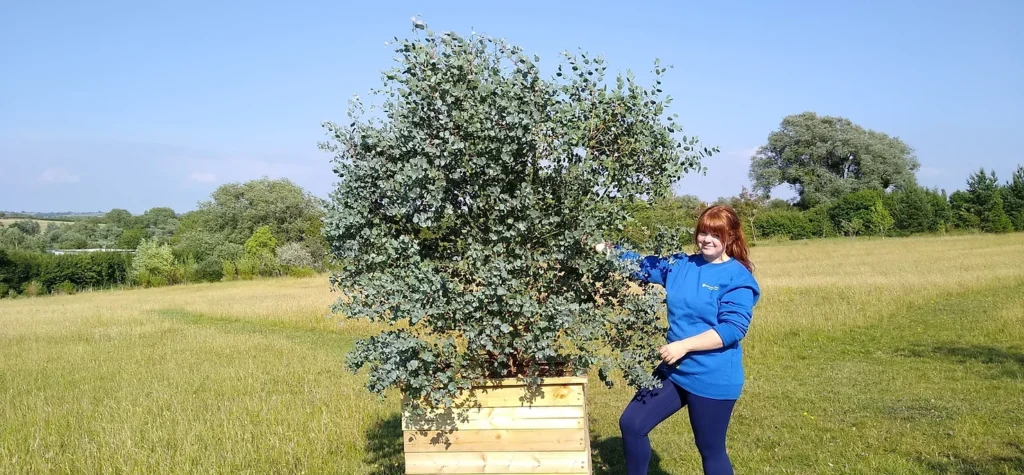
Eucalyptus, a plant with numerous benefits, is often overlooked in favor of more popular options. However, its unique characteristics and properties make it an excellent choice for those looking to cultivate their own eucalyptus tree or harness its benefits.
Understanding Eucalyptus: A Brief Overview
The eucalyptus tree (Eucalyptus globulus) is a fast-growing, evergreen species that can reach heights of 30-35 meters. Its trunk is straight and grayish in color, while its branches are smooth and similarly colored. The leaves of the eucalyptus plant have varying characteristics depending on their age.
Eucalyptus Leaves: A Study of Their Structure and Function
The young branches of the eucalyptus tree bear opposite, sessile, oval-shaped leaves with a silvery-green color. As the branches mature, the leaves alternate in position and become lanceolate and arcuate. The older leaves contain higher concentrations of active compounds, making them more effective in combating various health issues.
Eucalyptus Flowers: A Delicate yet Fertile Structure
The eucalyptus flowers appear on the tree in spring and are characterized by a distinctive calyx (the part that covers the stamens). The operculum, which is shaped like a gibbous top, drops away as the flower blooms. This allows for maximum exposure of the numerous stamens within.
Eucalyptus Fruits: A Protective Capsule Holding the Seeds
The fruit of the eucalyptus tree is an angular capsule that forms at the base of the calyx. Within this capsule lie the seeds of the plant, which will germinate and grow into new trees.
When to Cultivate Eucalyptus
Eucalyptus can be grown from seed or through propagation. The best time for sowing eucalyptus seeds is in autumn, while planting potted trees typically takes place in spring.
Growing Eucalyptus: Tips and Considerations
To successfully cultivate an eucalyptus tree, you will need a sufficient amount of space in your garden. This plant thrives in the Mediterranean climate but can also be grown in Italy’s Central, Southern, and Island regions. In the northern parts of Italy, however, it is recommended to choose more cold-resistant species.
Eucalyptus Soil Requirements: A Summary
Eucalyptus trees do not have specific soil quality requirements, making them adaptable to a wide range of soils. However, they prefer well-draining, moist soil, particularly if grown in acidic conditions. They can tolerate standing water but will perform better when planted in fertile, non-alkaline soil.
Pruning Eucalyptus: A Way to Maintain Shape and Promote Health
Eucalyptus trees require regular pruning to maintain their desired shape and promote healthy growth. By performing an annual pruning session, you can cultivate the tree as a shrub or small tree, keeping its size manageable (usually below 2 meters).
Using Eucalyptus: A Guide to Harnessing Its Medicinal Properties
The eucalyptus plant has numerous medicinal properties that have been used for centuries. The leaves of the eucalyptus can be consumed in the winter months to combat various health issues, including colds and flu.
Eucalyptus Oil Extraction: A Method for Harnessing Its Medicinal Properties
Eucalyptus oil can be extracted from the leaves through a process involving steam distillation or solvent extraction. The resulting essential oil is rich in compounds that have anti-inflammatory, antibacterial, and antiviral properties.
Aromatherapy with Eucalyptus Oil: Benefits and Precautions
Eucalyptus oil can be used in aromatherapy to relieve respiratory issues such as congestion and coughs. However, it should be diluted with a carrier oil and used responsibly due to its potent nature.
Culinary Uses of Eucalyptus Leaves: A Guide for Foodies
Eucalyptus leaves can be consumed as a tea or added to salads for their unique flavor. They are rich in antioxidants and have been shown to have anti-inflammatory properties, making them a valuable addition to a healthy diet.
Medicinal Uses of Eucalyptus Leaves: A Guide for Herbalists
Eucalyptus leaves have been used for centuries as a natural remedy for various health issues, including colds, flu, and respiratory infections. The mucilaginous properties of the leaves make them effective in soothing coughs and congestion.
Fungicide Properties of Eucalyptus: A Natural Solution for Pest Control
Eucalyptus oil has been shown to have fungicidal properties, making it an effective natural solution for pest control. It can be used to treat fungal infections and prevent the spread of diseases in plants.
Pest Control Using Eucalyptus Leaves: A Natural Solution
Eucalyptus leaves can be used as a natural deterrent for pests such as mosquitoes and ants. The leaves contain compounds that repel these insects, making them an effective addition to your garden or indoor space.
Conclusion
Eucalyptus is a versatile plant with a multitude of benefits. From its unique characteristics to its extensive range of applications, this remarkable tree has much to offer gardeners and those seeking natural remedies.
Frequently Asked Questions:
- What are the main requirements for growing eucalyptus?
Eucalyptus can be grown in various conditions but prefers well-draining, moist soil and full sun. - How often should I prune my eucalyptus tree?
Prune your eucalyptus tree annually to maintain its desired shape and promote healthy growth. - Can I grow eucalyptus in a container?
Yes, eucalyptus can thrive in containers but requires proper care and pruning. - What are the health benefits of consuming eucalyptus leaves?
Eucalyptus leaves have mucilaginous properties, making them effective against coughs and colds. - Can I grow eucalyptus in shaded areas?
While eucalyptus prefers full sun, it can tolerate partial shade but may not thrive as well. - How long does eucalyptus take to mature?
Eucalyptus trees typically take 3-5 years to reach maturity after planting. - Can I use eucalyptus essential oil in aromatherapy?
Yes, eucalyptus essential oil can be used for aromatherapy but should be diluted with a carrier oil and used responsibly. - Are there any potential health risks associated with consuming eucalyptus leaves?
While generally considered safe, consuming large quantities of eucalyptus leaves may cause allergic reactions or interactions with certain medications.
By following these guidelines and utilizing the benefits of this remarkable plant, you can cultivate your own eucalyptus tree or harness its medicinal properties to enhance your well-being.


