
The Wonders of Wind: A Global Exploration of Names and Meanings
Wind is a fundamental element that affects our daily lives, from the gentle breeze on a warm summer day to the strong gusts of a storm. But have you ever stopped to think about the many names of winds from different cultures and regions? In this article, we’ll embark on a journey to explore some of the most fascinating wind names from around the world.
A Brief History of Wind Names
Wind has been an integral part of human history, with people developing names for these natural phenomena to describe their effects on the environment and daily life. The earliest recorded mentions of wind names date back to ancient Greece, where philosopher Pliny the Elder wrote about the Naturalis Historia, a comprehensive work that included the names of winds.
Winds from Around the World
Let’s start our journey by exploring some of the most notable wind names from different regions:
- The Mediterranean Winds: The Meditterranean region is home to several distinct winds, including the Bora (a cold north-east wind), the Libeccio (a warm south-westerly wind), and the Scirocco (a hot south-easterly wind). These winds are an integral part of the regional culture and have been used for centuries in navigation and agriculture.
- The Northern Hemisphere Winds: The northern hemisphere is home to several cold and warm winds, including the Matanuska (a strong north-westerly wind) and the Chubasco (a powerful tropical storm wind).
- The Southern Hemisphere Winds: The southern hemisphere is characterized by a distinct set of winds, including the Zephyr (a gentle south-western wind) and the Hurricaine (a powerful tropical cyclone).
Winds Tropical and Subtropical Regions
The tropics are home to some of the most fascinating wind names, including:
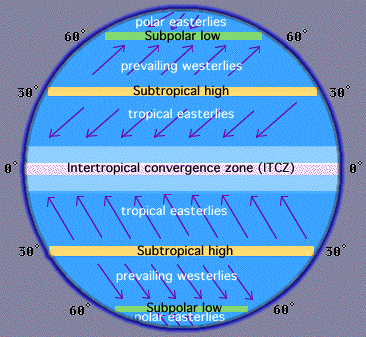
- The Trade Winds: The trade winds are a set of winds that blow from the northeast in the northern hemisphere and from the southeast in the southern hemisphere. These winds have been used for centuries by sailors and navigators for their predictable patterns.
- The Monsoon Winds: The monsoon winds are seasonal wind patterns that bring heavy rainfall to certain regions, including India and Southeast Asia.
Winds Calm and Hot
While many people associate wind with cold temperatures, there are also hot winds that can have a significant impact on our daily lives:
- The Ostro: The ostro is a warm south-westerly wind that blows over the Mediterranean region. This wind is known for bringing hot and humid air from Africa.
- The Scirocco: The scirocco is another warm south-easterly wind that blows over the Mediterranean region. While it shares some similarities with the ostro, this wind is often characterized by a more intense heat and dryness.
Wind Names in English
While many languages have their own unique wind names, there are also interesting variations in English:
- The Warning Sign: In English, the term “wind” can be used to refer both to a natural phenomenon and a warning sign or hint.
- Regional Wind Names: Different regions in England have their own distinct wind names, such as the North-West Wind and the East Coast Wind.
Wind Names in Italian
Italian is known for its rich cultural heritage, including wind names:
- The Rosa dei Venti: The rose of the winds is a term used to describe the ancient Greek concept of the four cardinal winds.
- Regional Wind Names: Italy has many regional wind names, such as the Ora and Peler on Lake Garda.
Wind Names for Everyday Life
Wind names are not just interesting facts; they can also have practical applications in everyday life:
- Surfing and Sailing: Understanding wind patterns is crucial for surfers and sailors. Knowledge of wind names can help predict weather conditions and make navigation more accurate.
- Weather Forecasting: Accurate knowledge of wind names can also aid in predicting weather patterns and making informed decisions about outdoor activities.
Conclusion
Wind names are a fascinating aspect of human culture and history. By exploring the many different wind names from around the world, we can gain a deeper appreciation for the natural phenomena that shape our lives. Whether you’re a sailor, surfer, or simply someone who appreciates the beauty of nature, understanding wind names can enrich your experience and provide valuable insights into the world around us.
Frequently Asked Questions
- What is the meaning of “wind” in different cultures?
- In some cultures, wind refers to a warning sign or hint. In other cases, it’s used to describe natural phenomena.
- Can you give examples of regional wind names?
- Yes, many regions have their own unique wind names. For example, the North-West Wind and the East Coast Wind in England.
- How do wind names affect everyday life?
- Understanding wind patterns can aid in navigation, weather forecasting, and making informed decisions about outdoor activities.
- What are some interesting wind names from around the world?
- There are many fascinating wind names, including the Bora (cold north-east wind), the Libeccio (warm south-westerly wind), and the Scirocco (hot south-easterly wind).
- Can you explain the concept of monsoon winds?
- Monsoon winds refer to seasonal wind patterns that bring heavy rainfall to certain regions.


