
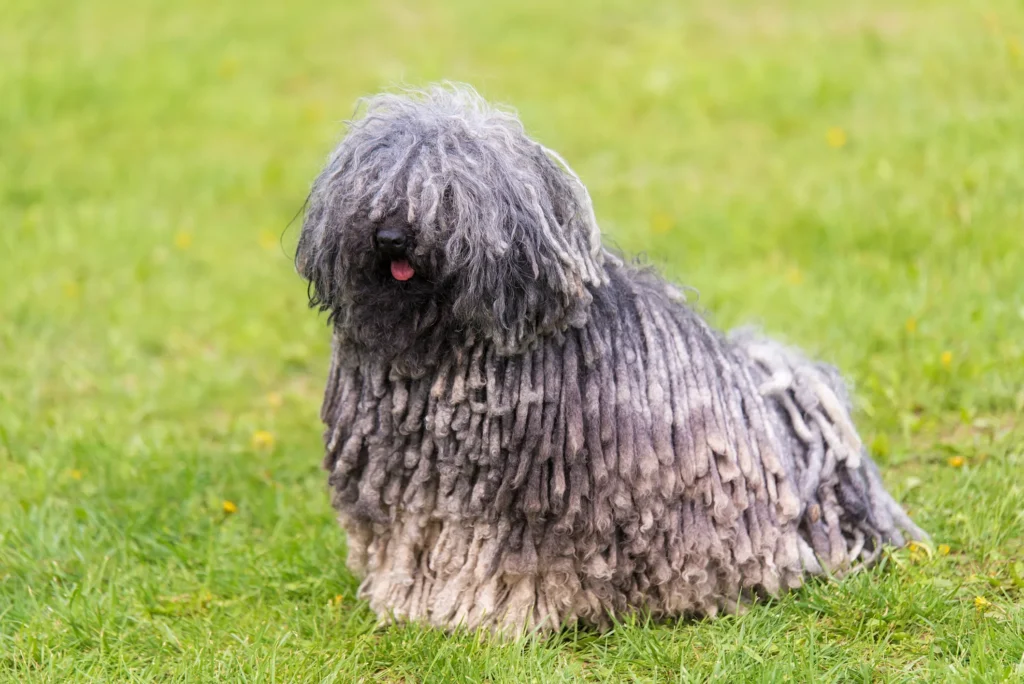
If you’re looking for a dog breed that stands out from the crowd, look no further than the Cane Puli. This charming herding breed hails from Hungary and boasts an unmistakable coat that’s both adorable and practical.
The Origins of the Cane Puli
It’s believed that the Cane Puli was introduced to Hungary by the Magyars, an Asian ethnic group, making it a relatively rare breed in Europe. Its ancestors are thought to be the Tibetan Terrier, which explains its distinctive coat. Despite its agility and quick movements, the Cane Puli survived World War II, thanks to careful conservation efforts. Today, it’s valued not only for its herding abilities but also as a beloved companion animal.
Physical Characteristics
The Cane Puli is an athletic dog with a sturdy build, measuring between 40-44 cm in height and weighing around 13-15 kg. Its coat is the true star of the show, with a dense undercoat and a longer, coarser outer layer that requires regular grooming. The breed comes in various colors, including black, black with reddish-brown undertones, gray, and white. The Cane Puli’s distinctive corded coat is its most striking feature, resembling a thick rope or braid.
Personality Traits
The Cane Puli is an intelligent, lively dog that thrives on interaction with its human family members. It’s known for being friendly, gentle, and devoted to its owner. When it comes to children, the Cane Puli makes an excellent companion, treating them like puppies of its own. While it has herding instincts, today’s breed is primarily seen as a family pet or show dog.
The Benefits of Having a Cane Puli
So why should you consider bringing a Cane Puli into your life? Here are just a few reasons:
- Unique and Adorable Coat: The Cane Puli’s corded coat is one of its most distinctive features, making it a standout among other breeds.
- Intelligent and Loyal: The Cane Puli is highly intelligent and loyal to its owners, making it an excellent companion for active families or individuals.
- Active but Not Overwhelming: While the Cane Puli has herding instincts, it’s not high-strung or demanding. With regular exercise and mental stimulation, this breed can thrive in a variety of environments.
Allevamientos and Availability
Finding a reputable breeder for the Cane Puli in Italy can be challenging, with no recorded ENCI registrations (the Italian Kennel Club) and only one registered example from 2015. However, it’s not hard to find breeders in Hungary and neighboring countries. To ensure your new furry friend remains healthy, it’s crucial to work closely with a responsible breeder who prioritizes the dog’s welfare.
Buying a Cane Puli Puppy
Purchasing a Cane Puli puppy can be expensive, with prices ranging from €750 to over €1,000, depending on the breeder and the puppy’s lineage. Be cautious of unscrupulous sellers, especially those located in remote areas or outside of your home country. The cost includes not only the initial purchase price but also potential travel expenses and documentation fees.
Health Considerations
As with any breed, there are certain health concerns to be aware of when considering a Cane Puli:
- Hip Dysplasia: This genetic disorder can cause arthritis and mobility issues in dogs.
- Allergies: The Cane Puli’s corded coat can exacerbate allergies, making it essential to research the breeder’s experience with this breed.
- Ear Infections: Due to its corded coat, the Cane Puli is prone to ear infections. Regular cleaning and monitoring are crucial.
Conclusion
The Cane Puli is a true showstopper among dog breeds, thanks to its unique coat and captivating personality. With proper care and attention from an experienced breeder, this breed can thrive in various environments, making it an ideal companion for active families or those seeking a low-maintenance pet.
Frequently Asked Questions
- What is the average lifespan of a Cane Puli?
A Cane Puli’s average lifespan is 12 years or more with proper care and attention from its owner. - How often should I groom my Cane Puli?
The breed requires regular grooming to prevent matting and tangling of its corded coat, ideally every week during peak growth phases. - Are Cane Pulis suitable for families with young children?
Yes, the Cane Puli is an excellent choice for families with young children due to its gentle nature and affectionate personality. - Can I keep a Cane Puli in a small apartment?
While it’s possible to keep a Cane Puli in a small apartment, they still require regular exercise and mental stimulation to prevent boredom and destructive behavior. - How do I find reputable breeders for the Cane Puli?
Research local breeders or look for organizations that specialize in promoting responsible breeding practices, such as the ENCI (Ente Nazionale della Cinofilia Italiana). - What health concerns should I be aware of when considering a Cane Puli?
Cane Pulis are generally healthy dogs, but they can be prone to hip dysplasia and certain allergies. - Can Cane Pulis adapt to new environments quickly?
The breed is known for its intelligence and adaptability, making it relatively easy to integrate into new homes or living situations with proper socialization and training. - How long does it take to train a Cane Puli puppy?
Cane Puli puppies respond well to early socialization and basic training, which can be started as soon as they’re eight weeks old.
Conclusion
The Cane Puli is an extraordinary breed that offers companionship, intelligence, and a unique appearance. With proper care and attention, this charming Hungarian herder can thrive in a variety of environments, making it an ideal companion for active families or those seeking a low-maintenance pet. Whether you’re looking for a show dog or a beloved family member, the Cane Puli is sure to capture your heart.


