
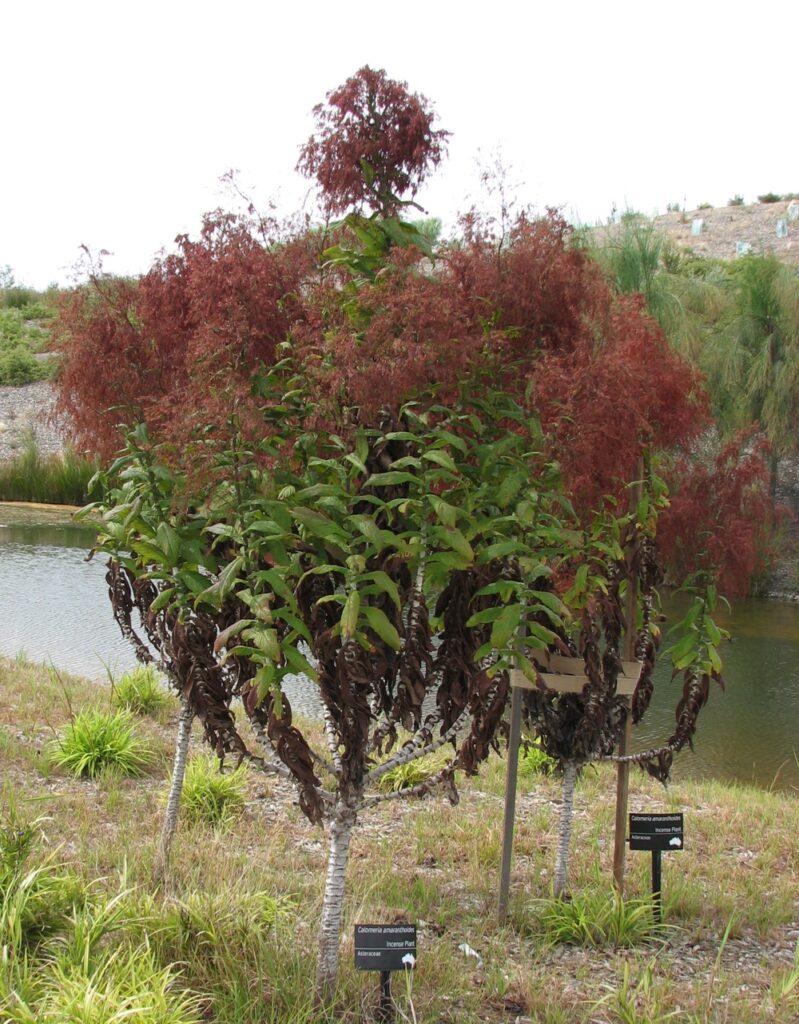
In ancient times, incense was a revered and sacred substance, used in various rituals and ceremonies to purify and consecrate spaces. Today, we still use incense in our daily lives, but have you ever wondered where it comes from? In this article, we’ll delve into the fascinating world of incense and explore its history, types, benefits, and cultural significance.
What is Incense?
Incense is a resinous substance obtained from various plants, including trees and shrubs. The term “incense” comes from the Latin word “incensum,” meaning “burnt” or “smoked.” When incense is burned, it releases a fragrant aroma that can evoke emotions, induce relaxation, and even have spiritual significance.
The History of Incense
Incense has been used for centuries in various cultures, with evidence of its use dating back to ancient civilizations such as the Egyptians, Chinese, and Greeks. In Christianity, incense is mentioned in the Bible as a symbol of worship and devotion (Matthew 2:11). The use of incense in churches and temples continues to this day, often in the form of sacred prayers and rituals.
The earliest recorded use of incense dates back to ancient China, where it was used for medicinal purposes, spiritual practices, and even as a way to purify the air. In Japan, incense has been an integral part of Shintoism and Buddhism, with different types of incense serving specific purposes in various ceremonies.
The Different Types of Incense
There are several types of incense, each with its unique characteristics and benefits. Some of the most common types of incense include:
- Franchincenso (Frankincense): Derived from the Boswellia sacra tree, this type of incense is considered one of the most sacred and revered.
- Olibano: Also known as frankincense, this type of incense is made from the resin of various trees, including the Boswellia frereana and Boswellia bhaw-dajiana.
- Dragon’s Blood: This type of incense is made from the sap of the Croton lechleri tree and is often used in traditional medicine.
- Myrrh: Derived from the Commiphora molmol tree, myrrh has been used for centuries in traditional medicine and spiritual practices.
The Benefits of Incense
Incense has been used for centuries to promote relaxation, reduce stress, and improve mental clarity. The benefits of incense include:
- Relaxation: The fragrant aroma of incense can induce a state of deep relaxation and calmness.
- Stress Relief: Incense can help reduce anxiety and stress by promoting a sense of well-being and tranquility.
- Mental Clarity: The fragrance of incense can improve focus and concentration, making it easier to stay mentally alert.
- Air Purification: Incense has natural air-purifying properties, which can help eliminate negative ions and pollutants from the air.
The Art of Burning Incense
Burning incense is an art that requires patience and attention. To get the most out of your incense experience, follow these tips:
- Use high-quality incense: Look for pure, natural incense made from organic materials.
- Choose the right burner: Use a burner specifically designed for incense to ensure a safe and even burn.
- Experiment with different types: Try various types of incense to find what works best for you.
Incense in Different Cultures
Incense plays an important role in many cultures around the world. Here are some examples:
- Buddhist Incense: In Buddhist tradition, incense is used in meditation and spiritual practices to promote a sense of calmness and focus.
- Native American Incense: In some Native American cultures, incense is used in ceremonies and rituals to connect with nature and the spirits.
- African Incense: In many African cultures, incense is used in traditional medicine and spiritual practices to promote healing and protection.
Conclusion
Incense is a powerful tool that has been used for centuries to promote relaxation, reduce stress, and improve mental clarity. By understanding the history, types, benefits, and cultural significance of incense, we can appreciate its importance in our daily lives. Whether you’re looking to reduce anxiety or simply enjoy a peaceful moment of contemplation, incense is an excellent choice.
Frequently Asked Questions (FAQs)
- What is the difference between frankincense and olibano?
Frankincense and olibano are both types of incense made from the resin of various trees. While they share some similarities, frankincense is considered a more sacred and revered type of incense. - Is incense safe to burn indoors?
Yes, incense can be safely burned indoors when used in moderation and with caution. Always follow the manufacturer’s instructions and take necessary precautions to avoid fires or other hazards. - Can I use incense to relieve symptoms of a cold or flu?
While incense may have some benefits for mental health and relaxation, it is not a proven remedy for relieving symptoms of a cold or flu. - How often should I burn incense?
It’s recommended to burn incense in moderation, ideally once or twice a week, to avoid overwhelming the senses and create an unhealthy environment. -
Can I use incense on my skin or ingest it?
No, it is not recommended to use incense on your skin or ingest it. Incense can be irritating to the skin and may cause allergic reactions when ingested. -
What are some common side effects of burning incense?
Common side effects of burning incense include headaches, dizziness, and respiratory issues. - Can I burn incense outdoors?
It’s not recommended to burn incense outdoors due to the potential for fires and air pollution. - How can I store my incense safely?
Store your incense in a cool, dry place, away from direct sunlight and heat sources.
Incense and Meditation
Incense has long been used as an aid for meditation. The fragrance of incense can create a peaceful and calming atmosphere, helping to quiet the mind and promote relaxation. Here are some tips for using incense during meditation:
- Choose a quiet space: Find a quiet, comfortable space where you can sit and meditate without distractions.
- Use incense carefully: Start with small amounts of incense and adjust as needed to avoid overwhelming your senses.
- Focus on the aroma: Pay attention to the fragrance of the incense and allow yourself to be transported to a peaceful place.
Conclusion
Incense is a powerful tool that has been used for centuries to promote relaxation, reduce stress, and improve mental clarity. By understanding its history, types, benefits, and cultural significance, we can appreciate its importance in our daily lives. Whether you’re looking to reduce anxiety or simply enjoy a peaceful moment of contemplation, incense is an excellent choice.
Incense and Aromatherapy
Aromatherapy has long been used as a natural remedy for various health issues. Incense can be used as an essential oil substitute in aromatherapy, releasing fragrances that can promote relaxation and well-being. Here are some tips for using incense with aromatherapy:
- Choose the right oils: Select essential oils that complement the fragrance of your incense.
- Use a diffuser: Use a diffuser to release the fragrance of your incense into the air, promoting a sense of calmness and relaxation.
- Experiment with different combinations: Try combining different types of incense with essential oils to create unique blends.
Incense and Spiritual Growth
Incense has long been used in spiritual practices as a way to connect with the divine. The fragrance of incense can evoke feelings of peace, tranquility, and inner growth. Here are some tips for using incense in your spiritual practice:
- Choose sacred incense: Select incense made from natural materials and infused with intention.
- Use incense in meditation: Use incense as a focus during meditation, helping to quiet the mind and promote inner growth.
- Experiment with different types: Try various types of incense to find what works best for you.
Conclusion
Incense is a powerful tool that has been used for centuries to promote relaxation, reduce stress, and improve mental clarity. By understanding its history, types, benefits, and cultural significance, we can appreciate its importance in our daily lives. Whether you’re looking to reduce anxiety or simply enjoy a peaceful moment of contemplation, incense is an excellent choice.
The Future of Incense
As the world becomes increasingly aware of the benefits of natural substances, the demand for incense is likely to increase. Here are some trends that may shape the future of incense:
- Sustainable Incense: The demand for sustainable and eco-friendly incense may lead to the development of new materials and manufacturing processes.
- Unique Blends: The increasing popularity of unique blends may drive innovation in the world of incense, with different combinations of fragrances and ingredients emerging as popular choices.
- Digital Incense: The rise of digital technology may lead to the creation of digital incense experiences, such as virtual reality scents or mobile apps that simulate the experience of burning incense.
Conclusion
Incense is a powerful tool that has been used for centuries to promote relaxation, reduce stress, and improve mental clarity. By understanding its history, types, benefits, and cultural significance, we can appreciate its importance in our daily lives. Whether you’re looking to reduce anxiety or simply enjoy a peaceful moment of contemplation, incense is an excellent choice.
References
- The Benefits of Incense: American Herbalists Guild
- Incense: A Guide for Meditation and Relaxation: MindBodyGreen
- The History of Incense: The International Association of Buddhist Studies
- Aromatherapy with Incense: Essential Oil Review
- Incense in Spiritual Practices: Spirituality & Health Magazine


