
Introduction
If you’re looking for a stunning and low-maintenance plant to brighten up your home, look no further than the Kenzia Palm. Native to Australia and neighboring countries, this beautiful palm tree has become a popular choice for Italian homes, where it thrives in indoor conditions. But what makes the Kenzia Palm so special? Let’s dive in and explore its unique characteristics, care requirements, and benefits.
What is a Kenzia Palm?
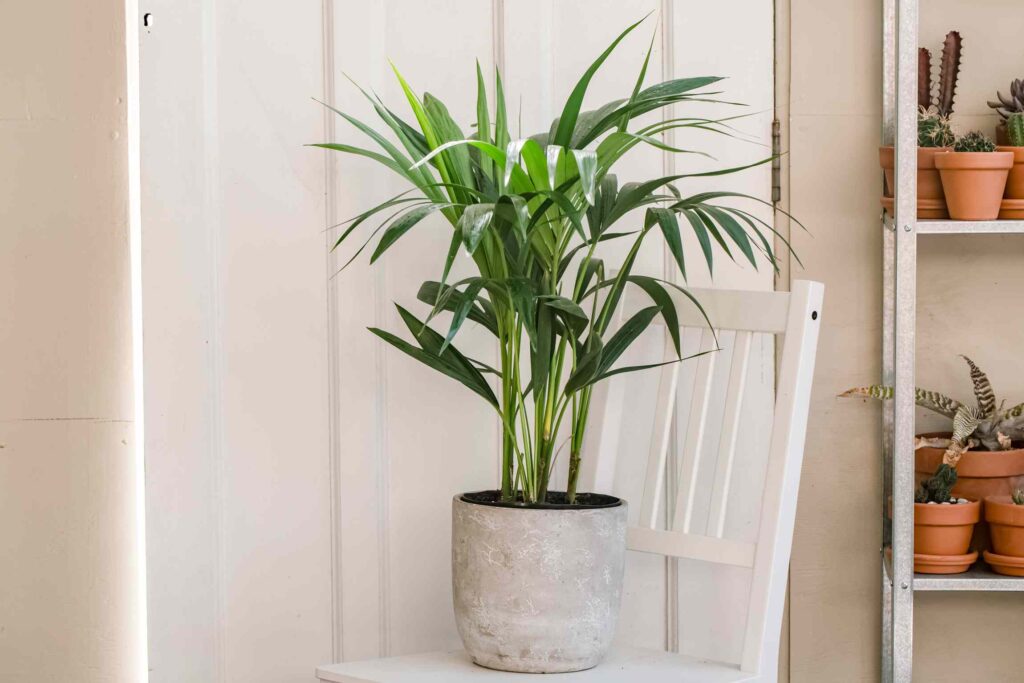
The Kenzia Palm (Kentia) is actually the correct name of this plant, which features a short stem with long, narrow leaves that are formed by bipennate foliage. This palm tree is native to the northern hemisphere, but its origins date back to the Australian continent, specifically the Lord Howe Island. In Europe, it was first introduced in the early 19th century.
Characteristics
The Kenzia Palm can grow up to 18-20 meters tall in its natural habitat, producing flowers and fruits only when it’s fully adapted to its environment. However, with proper care, it can reach a height of just 3 meters indoors. One of the plant’s most notable characteristics is its slow growth rate, which means it won’t need frequent pruning or maintenance.
Distinguishing between species
If you’re interested in growing more than one type of Kenzia Palm, there are two main species to consider: Howea forsteriana and Howea belmoreana. The former has fewer leaves and a more slender appearance, while the latter has larger leaves and a slightly more delicate shape.
Caring for your Kenzia Palm
To keep your Kenzia Palm happy and thriving, it’s essential to provide it with the right environment. Here are some key care tips:
- Lighting: Avoid direct sunlight, which can be too intense for this plant. Instead, place it near a south-facing window or use a sheer curtain to filter the light.
- Temperature: Keep the temperature between 10°C and 20°C (50°F-68°F) in winter months. In summer, maintain a comfortable indoor temperature above 15°C (59°F).
- Soil: Replicate the plant’s natural habitat by using a lightly porous potting mix with a slight sand content.
- Watering: Water your Kenzia Palm regularly, but avoid overwatering, which can lead to root rot. Check the soil moisture by sticking your finger into the soil up to the first knuckle. If it feels dry, it’s time to water.
- Fertilization: Feed your plant with a balanced fertilizer once a month during the growing season (April-October). You can also use a liquid fertilizer during this period.
Common problems
Despite its low-maintenance nature, your Kenzia Palm may encounter some issues. Here are a few common problems to watch out for:
- Leaf discoloration: If your leaves turn yellow or brown, it might be due to inadequate watering, overwatering, or exposure to direct sunlight.
- Pests: Keep an eye out for red spider mites, which can cause damage to the plant’s leaves. Check for signs of infestation, such as fine webbing or actual mites on the leaves.
- Root rot: Overwatering can lead to root rot, so make sure to check the soil moisture regularly and avoid getting water on the roots.
Tips for indoor gardening
If you’re new to indoor gardening, here are a few tips to keep in mind when growing a Kenzia Palm:
- Choose a pot with good drainage: Make sure your pot has holes in the bottom to prevent water from accumulating.
- Avoid drafts: Keep your plant away from drafty windows or doors to prevent it from getting stressed.
- Monitor humidity levels: If your home is particularly dry, consider using a humidifier to maintain a comfortable humidity level.
Propagation and division
If you want to share your Kenzia Palm with friends or expand your indoor garden, you can propagate it by dividing the roots or taking cuttings from mature stems. Here are some tips for propagation:
- Take cuttings: Cut off a few inches of stem and remove lower leaves. Place the cutting in water or soil and keep it moist until roots develop.
- Divide the roots: Carefully separate the roots with a fork, making sure each section has at least one “eye” (where the new growth emerges).
Benefits of growing a Kenzia Palm
Growing a Kenzia Palm can bring numerous benefits to your home, including:
- Air purification: Like many plants, Kenzia Palms are known to purify the air by removing toxins and pollutants.
- Stress relief: Studies have shown that simply being around plants can reduce stress levels and improve overall well-being.
- Aesthetic appeal: The elegant appearance of a mature Kenzia Palm can add a touch of sophistication to any room.
Conclusion
The Kenzia Palm is a stunning and low-maintenance addition to any home. With its unique characteristics, ease of care, and benefits for indoor gardening, it’s no wonder this plant has become a popular choice for indoor gardens. By following these simple care tips and being mindful of potential problems, you’ll be well on your way to enjoying the beauty and benefits of your Kenzia Palm.
Frequently Asked Questions
- Q: How often should I water my Kenzia Palm?
A: Water your plant regularly, but avoid overwatering. Check the soil moisture by sticking your finger into the soil up to the first knuckle. - Q: Can I grow a Kenzia Palm outdoors?
A: While it’s possible to grow a Kenzia Palm outdoors, it’s not recommended due to its sensitivity to direct sunlight and extreme temperatures. - Q: How long does a Kenzia Palm take to grow?
A: With proper care, your Kenzia Palm can reach up to 3 meters in height indoors. However, growth is slow, so be patient! - Q: Can I propagate my Kenzia Palm?
A: Yes, you can propagate your Kenzia Palm by dividing the roots or taking cuttings from mature stems. -
Q: Are there any specific fertilization requirements for a Kenzia Palm?
A: Feed your plant with a balanced fertilizer once a month during the growing season (April-October). You can also use a liquid fertilizer during this period. -
Q: Can I grow multiple Kenzia Palms together?
A: Yes, you can grow multiple Kenzia Palms together, but make sure to provide enough space for each plant to thrive. -
Q: How often should I prune my Kenzia Palm?
A: Prune your Kenzia Palm only when necessary, as excessive pruning can damage the plant. Remove any dead or damaged leaves to maintain its appearance. -
Q: Can I grow a Kenzia Palm in a pot with poor drainage?
A: No, it’s not recommended to grow a Kenzia Palm in a pot with poor drainage, as this can lead to root rot and other problems. -
Q: How do I deal with leaf discoloration?
A: If your leaves turn yellow or brown, check the soil moisture regularly and adjust your watering schedule accordingly. You can also try pruning off damaged or diseased leaves. - Q: Can I grow a Kenzia Palm in a low-light environment?
A: Yes, you can grow a Kenzia Palm in a low-light environment, but it may not thrive as well as it would in brighter conditions.



