
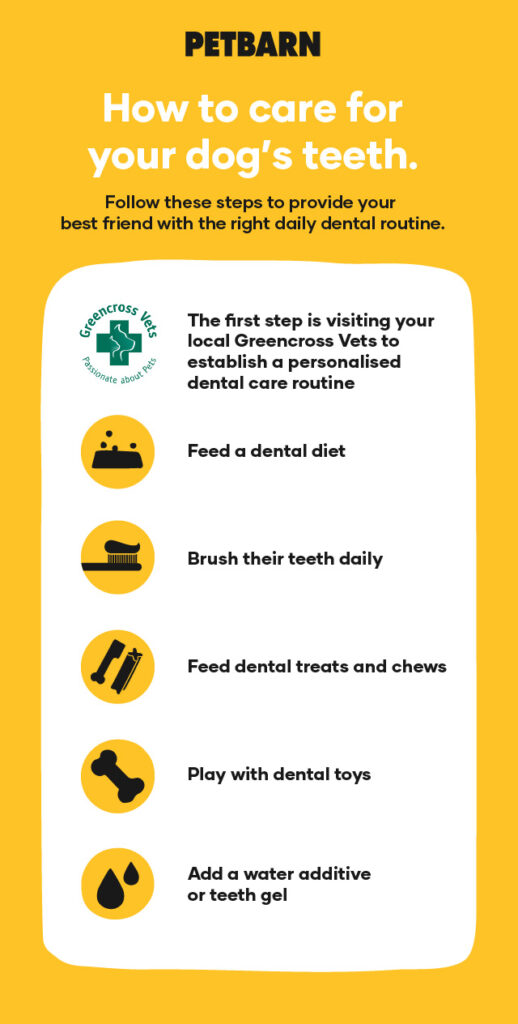
Maintaining good oral hygiene is crucial for your dog’s overall health and well-being. Dirty teeth can lead to a range of problems, from bad breath and gum disease to serious health issues like kidney damage and even organ failure. In this article, we’ll explore the importance of cleaning your dog’s teeth, provide tips on how to do it effectively, and discuss specific considerations for puppies and adult dogs.
Why Clean Your Dog’s Teeth?
Your dog’s teeth are a vital part of their overall health. They help them eat, digest food, and even maintain their jawbone structure. However, like humans, dogs can develop tartar buildup on their teeth, leading to painful gum disease and other issues. Regular cleaning helps prevent these problems and ensures your dog stays healthy.
The Importance of Oral Health in Dogs
Oral health is often overlooked in dogs, but it plays a crucial role in their overall well-being. A healthy mouth helps your dog:
- Eat and digest food properly
- Maintain good gum health and prevent tooth loss
- Avoid bad breath and other social issues
- Reduce the risk of kidney damage and organ failure
Adult Dog Teeth: How to Clean
When it comes to adult dogs, establishing a regular cleaning routine is essential. Here are some tips:
- Get Your Dog Used to the Process: Start by making toothbrushing a positive experience for your dog. Use a gentle, canine-specific toothpaste and a soft-bristled brush.
- Choose the Right Toothpaste: Human toothpaste is not safe for dogs, so make sure to choose a toothpaste specifically designed for canines. Look for products containing natural ingredients like vitamin E and calcium.
- Use a Canine-Specific Brush: Human brushes won’t do the trick for your dog’s teeth. Instead, opt for a brush designed specifically for canine oral health.
- Make It a Regular Habit: Aim to brush your dog’s teeth at least once a week, or as recommended by your veterinarian.
Puppy Teeth: How to Clean
Puppies require special attention when it comes to cleaning their teeth. Here are some tips:
- Start Early: Begin cleaning your puppy’s teeth from an early age, ideally from 3-4 months old.
- Use a Gentle Touch: Puppies have sensitive gums, so use a soft-bristled brush and gentle circular motions.
- Focus on the Front Teeth: Start with the front teeth, working your way back to the molars.
- Make It Fun: Make toothbrushing a positive experience for your puppy by using praise, treats, and playtime.
Losing Teeth in Dogs
It’s not uncommon for dogs to lose their baby teeth between 4-7 months old. However, if your dog is losing adult teeth prematurely or excessively, it may be a sign of an underlying issue. Consult with your veterinarian to determine the cause and develop a plan for addressing any dental problems.
Conclusion
Cleaning your dog’s teeth is an essential part of their overall health and well-being. By establishing a regular cleaning routine and choosing the right products, you can help prevent dental issues and ensure your dog stays happy and healthy.
Here are some frequently asked questions about cleaning your dog’s teeth:
- How often should I brush my dog’s teeth?
- Aim to brush your dog’s teeth at least once a week, or as recommended by your veterinarian.
- What toothpaste is safe for dogs?
- Choose a toothpaste specifically designed for canines, containing natural ingredients like vitamin E and calcium.
- Can I use human toothpaste on my dog?
- No, human toothpaste is not safe for dogs due to its high fluoride content.
- How do I introduce my puppy to toothbrushing?
- Start with a gentle touch and gradually increase the frequency and duration of brushing sessions.
- What are some common signs of dental problems in dogs?
- Bad breath, yellow or brown teeth, and red or inflamed gums are all potential indicators of dental issues.
- Can losing adult teeth be a sign of an underlying issue?
- Consult with your veterinarian to determine the cause of premature tooth loss and develop a plan for addressing any dental problems.
- How can I prevent dental issues in my dog?
- Establish a regular cleaning routine, provide a balanced diet, and ensure regular veterinary check-ups.
By following these tips and asking yourself these questions, you’ll be well on your way to keeping your furry friend’s teeth clean and healthy.


