
As the world grapples with the challenges of climate change, companies are under increasing pressure to adopt sustainable practices. In a move that signals a significant shift towards sustainability, SAP, the leading provider of software solutions for businesses, has signed an agreement with Italy’s Ministry of Environment, Land and Sea.
A Growing Commitment to Sustainability
With 71 major Italian companies already on board, SAP is now the first IT company globally to join forces with the government in a significant initiative. This partnership aims to promote sustainable practices and reduce the environmental impact of IT operations.
The agreement marks a significant milestone in the journey towards sustainability. As the IT industry continues to play a crucial role in driving business success, it’s clear that companies must prioritize environmental responsibility. By working together with the government, SAP is taking a proactive approach to addressing this challenge.
Key Objectives of the Agreement
The main objectives of the agreement are to:
- Develop and disseminate sustainable models for production and consumption
- Analyze and reduce greenhouse gas emissions from IT operations
- Implement energy-efficient solutions for businesses using SAP software
Defining an Environmental Footprint
One key aspect of the agreement is the development of a methodology for calculating environmental impact, known as carbon footprint. This tool will help organizations assess their ecological footprint and identify areas for improvement.
The concept of a carbon footprint is not new, but its application in the IT industry is still evolving. As companies strive to reduce their environmental impact, they need tools that can help them understand their greenhouse gas emissions and develop strategies for reduction.
Identifying Effective Solutions
The partnership aims to identify cost-effective measures for reducing greenhouse gas emissions. By working together with businesses and government agencies, SAP hopes to develop practical solutions that can be replicated across the industry.
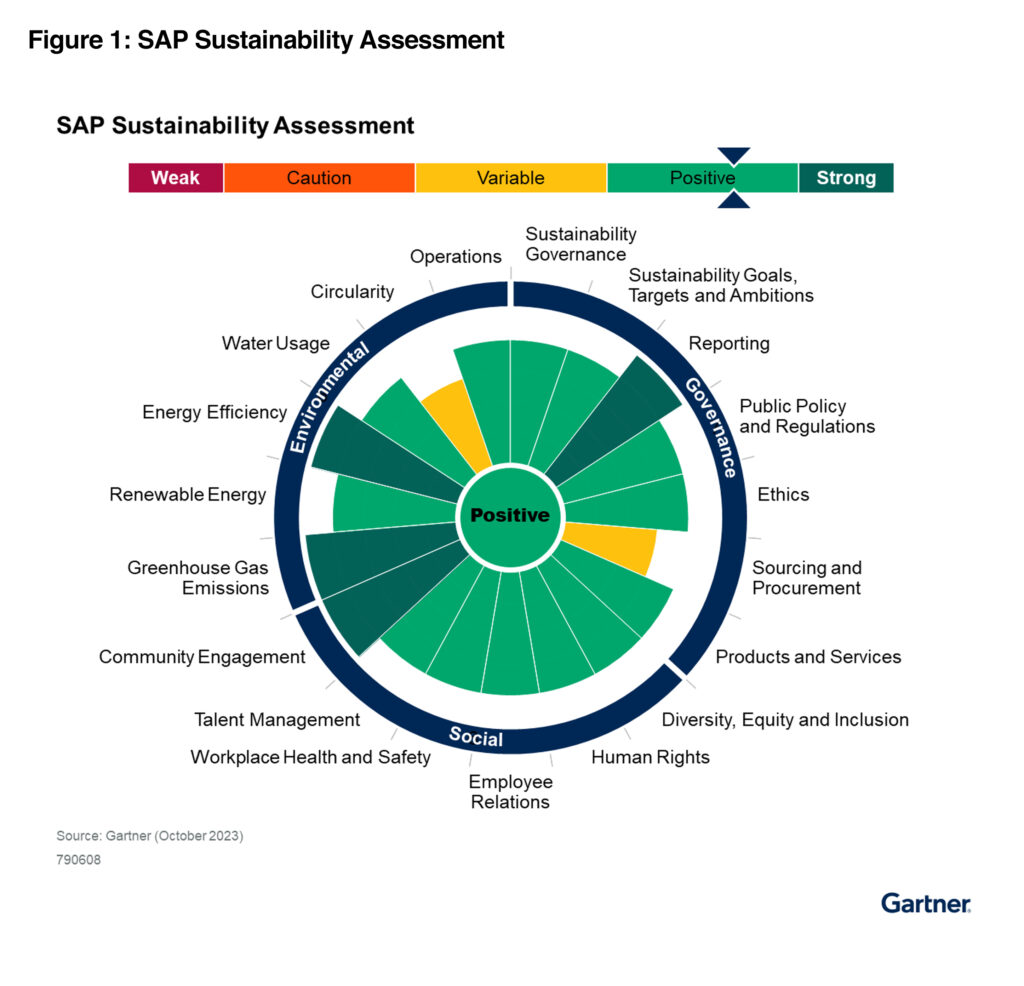
SAP has already made significant strides in its own sustainability efforts, including a commitment to using 100% renewable energy in its operations worldwide. The company’s experience in identifying and implementing effective sustainable practices will be crucial in driving positive change through this partnership.
A Case Study in Sustainability
As part of the agreement, SAP will collaborate with its clients to collect data on their environmental impact. This data will be used to create a case study highlighting the effectiveness of sustainable business practices.
This approach will provide valuable insights into how businesses can reduce their environmental footprint while maintaining operational efficiency. By sharing best practices and lessons learned, companies can accelerate their sustainability journey and achieve greater reductions in greenhouse gas emissions.
Minister Clini’s Welcome
Italy’s Minister of Environment, Corrado Clini, has welcomed the agreement. He believes that the partnership between government and industry is essential for driving sustainability forward. “The software industry plays a key role in reducing environmental impact,” he said. “We look forward to working with SAP to develop sustainable solutions.”
Luisa Arienti’s Vision
As CEO of SAP Italy, Luisa Arienti sees this agreement as an important step towards achieving sustainability goals. She believes that collaboration between public and private sectors is vital for driving positive change. “This initiative will serve as a model for other companies,” she said. “We’re committed to making our operations more sustainable and to supporting our clients in doing the same.”
The Benefits of Sustainability for Businesses
Sustainability is no longer just a moral imperative, but a business necessity. Companies that prioritize environmental responsibility can reap numerous benefits, including:
- Reduced costs: Energy-efficient practices can lead to significant cost savings, while investing in sustainability initiatives can boost revenue and competitiveness.
- Improved reputation: By demonstrating their commitment to sustainability, companies can enhance their brand image and attract customers who share similar values.
- Access to new markets: Sustainability is becoming an increasingly important factor for businesses seeking to expand into emerging markets or tap into the growing demand for eco-friendly products.
The Role of Technology in Sustainability
Technology plays a critical role in driving sustainability forward. By leveraging innovative solutions, companies can reduce their environmental impact while increasing operational efficiency and competitiveness.
Some of the key technologies that will drive sustainability forward include:
- Artificial intelligence: AI-powered tools can help companies optimize energy consumption and reduce waste.
- Internet of Things (IoT): IoT devices can enable businesses to monitor and manage their energy usage in real-time, reducing energy waste and improving overall efficiency.
- Cloud computing: Cloud-based solutions can help reduce the environmental impact of traditional IT infrastructure by providing scalable, on-demand computing resources.
Challenges and Opportunities
While there are numerous benefits to sustainability, there are also challenges that companies must overcome. Some of the key obstacles include:
- High upfront costs: Investing in sustainable practices and technologies can require significant capital expenditures.
- Limited visibility: Companies often lack visibility into their environmental impact, making it difficult to identify areas for improvement.
- Complexity: Sustainability initiatives can be complex and require specialized expertise.
However, these challenges also present opportunities for innovation and growth. By leveraging cutting-edge technologies and collaborating with industry leaders, companies can overcome these obstacles and achieve significant sustainability gains.
Conclusion
The partnership between SAP and Italy’s Ministry of Environment marks an important turning point in the journey towards sustainability. By working together, these two entities are driving positive change and setting a new standard for environmentally responsible business practices.
As the IT industry continues to play a crucial role in driving business success, it’s clear that companies must prioritize environmental responsibility. By embracing sustainable practices and leveraging innovative technologies, businesses can achieve greater reductions in greenhouse gas emissions while maintaining operational efficiency and competitiveness.
FAQs
- What is the significance of this agreement?
This agreement represents a significant step forward in the adoption of sustainable practices by the IT industry. - How does SAP plan to reduce greenhouse gas emissions?
SAP will work with its clients and government agencies to identify cost-effective measures for reducing emissions, such as implementing energy-efficient solutions. - What is the purpose of the carbon footprint methodology?
The carbon footprint methodology aims to help organizations assess their environmental impact and identify areas for improvement. - How will the partnership between SAP and the Ministry of Environment benefit businesses?
By working together, businesses can access practical solutions and expertise to drive sustainability forward and reduce their environmental impact. - What role does SAP play in promoting sustainable business practices?
SAP is committed to making its operations more sustainable and supporting its clients in adopting environmentally responsible practices. - How will the partnership between government and industry lead to positive change?
The collaboration between public and private sectors is essential for driving positive change and achieving sustainability goals. - What are the key objectives of the agreement?
The main objectives of the agreement include developing sustainable models for production and consumption, analyzing and reducing greenhouse gas emissions, and implementing energy-efficient solutions. - How can businesses get involved in this initiative?
Businesses can participate by working with SAP to identify cost-effective measures for reducing emissions and adopting environmentally responsible practices.
Recommendations
- Develop a sustainability strategy: Companies should develop a comprehensive sustainability strategy that aligns with their business goals and values.
- Conduct an environmental impact assessment: Conducting an environmental impact assessment can help companies understand their carbon footprint and identify areas for improvement.
- Invest in energy-efficient technologies: Investing in energy-efficient technologies, such as LED lighting and energy-efficient servers, can significantly reduce greenhouse gas emissions.
- Collaborate with industry partners: Collaborating with industry partners and government agencies can provide access to best practices, expertise, and resources.
- Monitor and report progress: Regularly monitoring and reporting on sustainability performance can help companies stay on track and make adjustments as needed.
Conclusion
The importance of sustainability in the IT industry cannot be overstated. By embracing sustainable practices and leveraging innovative technologies, businesses can achieve significant reductions in greenhouse gas emissions while maintaining operational efficiency and competitiveness.
As the world continues to grapple with the challenges of climate change, companies must prioritize environmental responsibility and take a proactive approach to addressing this challenge. By working together with government agencies, industry partners, and other stakeholders, we can drive positive change and create a more sustainable future for all.


