
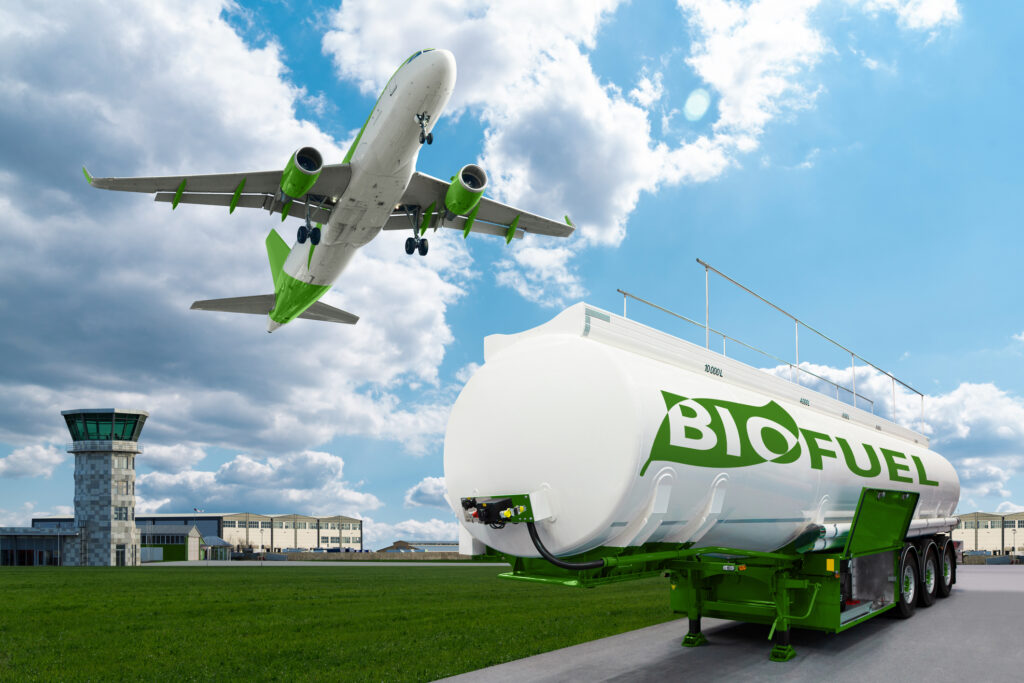
The Rise of Biofuels in Aviation: A Sustainable Future for Air Travel
As the aviation industry continues to grow, so does the demand for more sustainable and eco-friendly alternatives. One innovative solution is the use of biofuels, which are being increasingly adopted by airlines around the world. The adoption of biofuels in aviation is a significant step towards reducing greenhouse gas emissions and creating a more sustainable future for air travel.
What are Biofuels?
Biofuels are fuels made from organic matter such as plants, algae, or agricultural waste. They offer a cleaner alternative to traditional fossil fuels, producing fewer greenhouse gas emissions and reducing our reliance on finite resources. The production of biofuels typically involves the fermentation of biomass, which is then converted into a fuel that can be used in existing engines.
The Lufthansa Success Story
Lufthansa’s successful adoption of biofuels is a prime example of the industry’s commitment to sustainability. Their single flight from Hamburg to Frankfurt saved an impressive 1,471 tons of CO2, demonstrating the potential for significant emissions reductions through the use of eco-friendly fuels. This achievement showcases the impact that even small-scale adoption of biofuels can have on reducing greenhouse gas emissions.
The Boeing 787: A Leader in Sustainable Aviation
The Boeing 787 Dreamliner is the most fuel-efficient commercial aircraft ever built, combining comfort and low emissions with a reduced carbon footprint. Its ability to fly across entire oceans using biofuels makes it an exemplary model for sustainable air travel. The Boeing 787 has been designed to meet the stringent environmental standards set by the aviation industry, making it an ideal platform for the adoption of eco-friendly fuels.
Unlocking the Potential of Biofuels
Scientists and engineers are continually working on more efficient ways to produce biofuels, from bubble columns to genetic engineering. This cutting-edge research is paving the way for widespread adoption of eco-friendly fuels in aviation. The development of new technologies and processes will be crucial in reducing the cost and increasing the availability of biofuels.
First Transatlantic Flight Powered by Biofuels
All Nippon Airways (ANA) has successfully completed the first transatlantic flight powered by biofuels, marking a significant milestone in the industry’s transition to sustainable aviation. ANA aims to become carbon neutral by 2020, setting an ambitious target for the airline and the sector as a whole. This achievement highlights the potential for biofuels to play a major role in reducing greenhouse gas emissions from air travel.
Reducing Costs: The Hidden Benefits of Biofuels
Contrary to popular belief, using biofuels can actually reduce costs for airlines. As traditional fossil fuels reach record prices, eco-friendly alternatives like biofuels may become more affordable in the long run, benefiting passengers. By investing in sustainable aviation options, airlines can mitigate risks associated with fuel price volatility and ensure a stable supply of energy.
The Price of Petrolio and the Rise of Biofuels
Petrolium prices have skyrocketed, with the cost per barrel reaching $125. Meanwhile, Italy’s gasoline taxes are expected to rise further. This creates an environment where eco-friendly fuels like biofuels become more attractive options for airlines and passengers alike. As fuel costs continue to climb, airlines will increasingly rely on sustainable aviation options to maintain profitability.
A Shift towards Sustainable Mobility
As we move forward, the next vehicle to acquire should be an electric or hybrid model. Similarly, our next flight ticket should take us to a 787 powered by biofuels – marking a significant step towards a more sustainable future in air travel. By embracing eco-friendly solutions like biofuels, we can create a cleaner, healthier environment for generations to come.
Government Support and Policies
Governments play a crucial role in promoting the adoption of sustainable aviation options. By providing incentives for airlines to adopt eco-friendly fuels, investing in SAF infrastructure, and creating policies that support a more sustainable aviation industry, governments can encourage innovation and reduce greenhouse gas emissions from air travel.
Individual Impact: Choosing Eco-Friendly Air Travel Options
By choosing eco-friendly air travel options, supporting airlines that offer biofuels, and advocating for policy changes that promote sustainability, individuals can make an impact on the adoption of sustainable aviation fuels (SAF). As a consumer, making informed choices about the airline you choose to fly with can help drive demand for sustainable options.
Conclusion: Embracing a Greener Tomorrow
The adoption of biofuels in aviation is a testament to human innovation and the industry’s willingness to adapt. As we navigate an increasingly complex world, embracing eco-friendly solutions like biofuels will be crucial for our collective future. With continued advancements in technology and decreasing costs, sustainable air travel is becoming an achievable reality.
Frequently Asked Questions
- What is biofuel?
Biofuel is a fuel made from organic matter such as plants, algae, or agricultural waste.
- How do biofuels compare to traditional fossil fuels?
Biofuels produce fewer greenhouse gas emissions and reduce our reliance on finite resources compared to traditional fossil fuels.
- Will using biofuels increase costs for airlines?
Initially, yes, but long-term savings through reduced fuel costs may offset the initial investment.
- What’s the current status of biofuel adoption in aviation?
Several airlines have successfully implemented biofuels on select flights, and more are expected to follow suit.
- How can I support sustainable aviation options when purchasing a flight ticket?
Look for airlines that offer eco-friendly options or choose routes with lower carbon emissions.
- What’s the future of biofuel production in aviation?
Scientists and engineers continue to work on improving efficiency and reducing costs, paving the way for wider adoption.
- Will sustainable aviation fuel (SAF) become widespread in the near future?
SAF has gained significant traction in recent years, with several countries investing heavily in its development and commercialization.
- Can I make a difference by choosing eco-friendly air travel options?
Yes, every choice counts! By supporting airlines that offer biofuels or opting for routes with lower carbon emissions, you contribute to a more sustainable aviation industry.
- What are the environmental benefits of using biofuels in aviation?
Biofuels produce significantly fewer greenhouse gas emissions compared to traditional fossil fuels.
- Will the use of biofuels affect air travel availability and affordability?
Initially, yes, due to higher costs associated with biofuel production. However, long-term savings through reduced fuel costs may offset these initial investments.
- What role do governments play in promoting sustainable aviation options?
Governments can provide incentives for airlines to adopt eco-friendly fuels, invest in SAF infrastructure, and create policies that support a more sustainable aviation industry.
- How can individuals make an impact on the adoption of sustainable aviation fuels (SAF)?
By choosing eco-friendly air travel options, supporting airlines that offer SAF, and advocating for policy changes that promote sustainability.


