
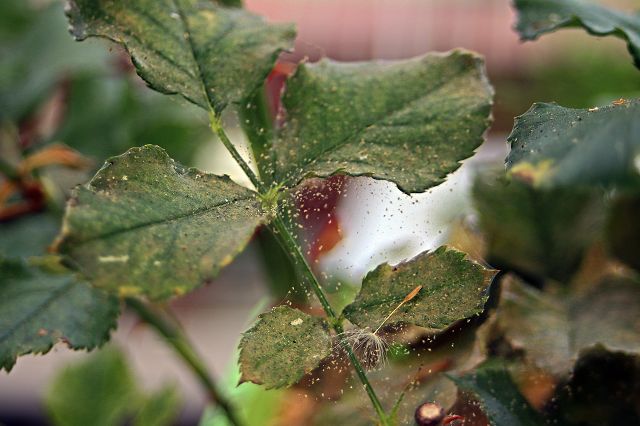
Understanding Rose Parasites
Rose parasites are a common problem for gardeners and rose enthusiasts. These unwanted guests can cause significant damage to your beloved roses, leading to yellowing leaves, stunted growth, and even death. In this article, we’ll explore the most common types of rose parasites, their symptoms, and natural remedies to help you control them.
Common Rose Parasites
Rose parasites can be categorized into four main groups: aphids, whiteflies, scale insects, and spider mites. However, other pests like mites, mealybugs, and psyllids also target roses.
- Aphids: These tiny, soft-bodied insects feed on plant sap, causing curled or distorted leaves.
- Whiteflies: These flying insects feed on plant sap, spreading diseases like aphid-borne yellow virus.
- Scale Insects: These armored insects feed on plant sap, creating protective wax covers around their bodies.
- Spider Mites: These tiny, spider-like insects feed on plant sap, causing fine webbing and bronzing of leaves.
Symptoms of Rose Parasites
The symptoms of rose parasites can be subtle or overt. Look for signs like:
- Yellowing or stunted growth
- Curled or distorted leaves
- Presence of whiteflies or aphids on the underside of leaves
- Fine webbing on stems and leaves
Natural Remedies for Rose Parasites
To control rose parasites, try these natural remedies:
Insect Antagonists: Predatory Insects
- Ladybugs (Lady Beetles): These beneficial insects feed on aphids and other soft-bodied pests.
- Lacewings: These flying insects feed on whiteflies and other pests.
Organic Pesticides
- Neem Oil: A natural pesticide that controls a wide range of pests, including aphids, mites, and scale insects.
- Soap Solution: A mild detergent solution that kills soft-bodied pests like aphids and mealybugs.
- Garlic Spray: A homemade pesticide that repels pests and promotes plant growth.
Physical Controls
- Spray Water: Regularly spray water on plants to dislodge pests and prevent re-infestation.
- Prune Infested Areas: Remove infested leaves, stems, or flowers to prevent pest spread.
- Row Covers: Use fine-mesh row covers to prevent whiteflies from reaching your roses.
Environmental Changes
- Provide Good Air Circulation: Ensure good air circulation around your rose plants to prevent moisture buildup and reduce pest attractants.
- Maintain pH Balance: Keep your soil pH between 6.0 and 6.5, as extreme pH levels can stress roses and make them more susceptible to pests.
Organic Fertilizers
- Fish Bone Meal: A slow-release fertilizer that promotes plant growth and health.
- Compost: A nutrient-rich fertilizer that improves soil structure and fertility.
Conclusion
Rose parasites are a common problem for gardeners, but with the right natural remedies and environmental changes, you can control them and keep your roses healthy and thriving. By understanding the most common types of rose parasites, recognizing their symptoms, and using organic pesticides, physical controls, and environmental modifications, you’ll be well on your way to creating a pest-free oasis in your garden.
Frequently Asked Questions
- What is the best natural pesticide for rose parasites?
- Neem oil is a popular choice due to its broad-spectrum control and gentle effects on plants.
- How often should I fertilize my roses?
- Feed your roses with fish bone meal or compost once a month during the growing season (spring-fall) for optimal growth.
- Can I use chemical pesticides as an alternative to natural remedies?
- While chemical pesticides may provide quick relief, they can also harm beneficial insects, contaminate soil and water, and contribute to environmental degradation. Opt for organic methods whenever possible.
- How do I prevent whiteflies from reaching my roses?
- Use fine-mesh row covers or fine-netted baskets to cover your rose plants, preventing whiteflies from landing on the leaves.
- What is the best way to remove spider mites from my roses?
- Spray a mixture of neem oil and water on infested areas, making sure to cover all surfaces thoroughly. Repeat treatment every 3-4 days for optimal results.
- Can I use garlic spray on other types of plants besides roses?
- Yes, garlic spray can be used as a natural pest repellent on a wide range of plants, including vegetables, fruits, and herbs.
Additional Tips
- Inspect Your Plants Regularly: Regularly inspect your rose plants for signs of pests or diseases.
- Use Integrated Pest Management (IPM) Strategies: Combine multiple control methods to create an effective IPM plan that minimizes harm to beneficial organisms.
- Maintain Good Garden Hygiene: Keep your garden free of debris and weeds, which can harbor pests and promote the spread of diseases.
Conclusion
By understanding the common types of rose parasites, recognizing their symptoms, and using natural remedies and environmental modifications, you can create a pest-free oasis in your garden. Remember to inspect your plants regularly, use integrated pest management strategies, and maintain good garden hygiene to ensure optimal health and beauty for your roses.


