What Do We Really Need to Live?
When we talk about nutrition, what do we really mean? What do our bodies need to survive, and how can we eliminate waste while doing so? The topic of food is a central theme at EXPO 2015, but it’s an issue that often goes unexplored: what do we truly require, and how can we optimize our consumption?
To answer these questions, 14 artists from the Association of Cultural Anonimartisti gathered in Palazzo Isimbardi in Milan on October 18-20, 2013, for the cultural and artistic event “How much? And what?” This exhibition aimed to explore the relationship between quantity and quality in food.
The Concept of Quantity and Quality
Let’s break down the concepts of quantity and quality. Quantity, or “how much,” refers to a measurable property of something, such as its dimensions, number, or volume. In the context of food, quantity represents the availability of resources and is often linked to societal well-being.
For instance, when we consume a certain amount of food per day, it’s essential to consider whether that quantity aligns with our individual needs and sustainable production methods. On the other hand, quality describes an intrinsic characteristic of a thing that sets it apart from others. Quality determines expectations and distinguishes one product from another.
In the context of food, quality is about standardizing products to ensure consistency. When we prioritize high-quality ingredients, such as fresh fruits, vegetables, and lean proteins, we’re more likely to create balanced meals that nourish our bodies.
The Event: How much? And what?
The “How much? And what?” event brought together numerous Lombardy-based agricultural companies, showcasing their sustainable produce, mostly organic, with guided tastings offering a comprehensive look at regional specialties and their ingredients.
On Sunday, October 20, the thought-provoking debate “Dalla città alla campagna: ritorno alla terra, una scelta ecosostenibile” (From city to countryside: returning to earth, an eco-friendly choice) took place with writer Ilaria Beretta, author of the book “Una storia al mese più uno per la teiera”. Beretta has relocated from Milan to Monferrato’s vineyards to balance her writing work for RAI with working on land.
During the debate, Beretta discussed how our personal choices can contribute to a more sustainable environment. She emphasized the importance of setting aside time for reflection and making eco-friendly decisions about food, such as choosing seasonal produce and reducing waste.
Other Events and Activities
The event also included a practical workshop on bicycle maintenance, titled “La bici rigenera. Rigenera la bici” (The bike regenerates: regenerate the bike), led by Stefania Tussi and Marco Fantasia of Bottega Bici&Radici in Milan. Participants learned basic maintenance techniques for their bikes.
Additionally, an exhibition of “Chair Plus”, elegant chairs made from cardboard that assemble in under a minute due to being produced entirely from 100% Italian-made components, was showcased. This innovative design highlights the potential for sustainable and eco-friendly manufacturing methods.
The Significance of Sustainable Food Systems
Sustainable food systems are crucial for promoting environmental protection, conserving natural resources, and ensuring global food security. By optimizing our consumption practices, we can reduce waste, support sustainable agriculture, and promote overall well-being.
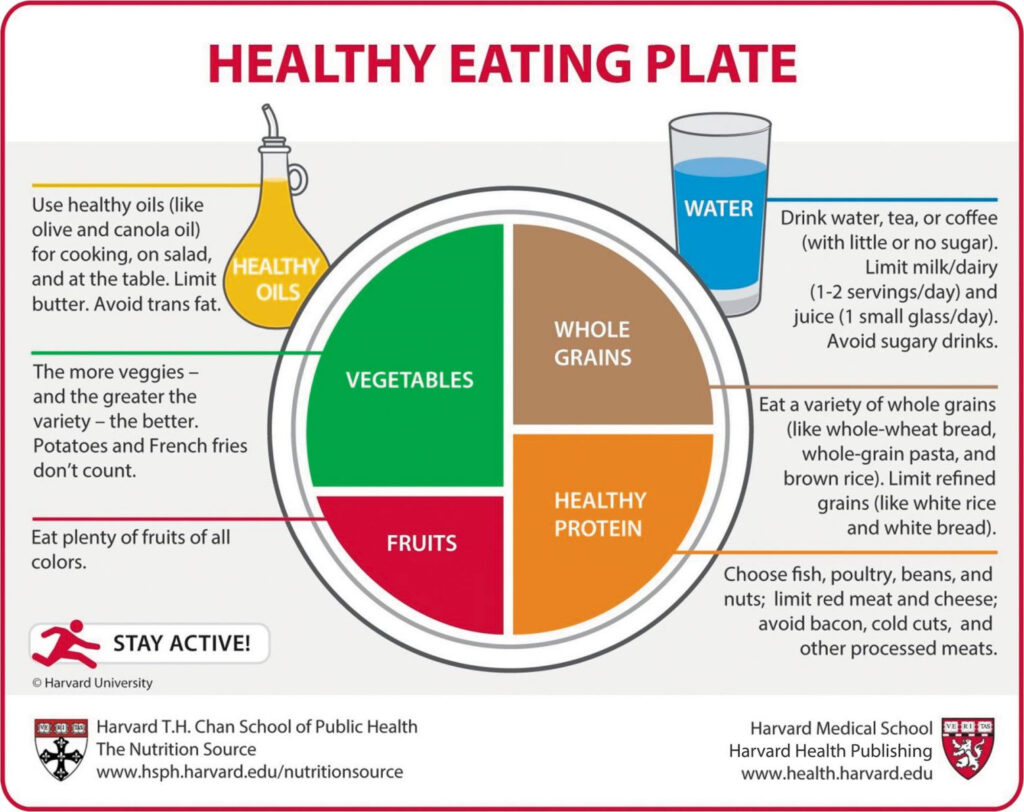
One way to achieve this is by adopting a food pyramid approach, which emphasizes whole, nutrient-dense foods like fruits, vegetables, whole grains, lean proteins, and healthy fats. This balanced approach allows us to reap the benefits of a diverse diet while minimizing our environmental footprint.
The Role of Art in Nutrition
Art can play a significant role in promoting sustainable food systems by inspiring creative solutions to complex problems. The “How much? And what?” event showcased how art can encourage individuals to rethink their relationship with food and its impact on the environment.
By exploring the intersection of quantity, quality, and sustainability, we can foster a culture of eco-awareness that extends beyond the realm of nutrition. This, in turn, can lead to a more harmonious coexistence between human societies and the natural world.
Conclusion
The event “How much? And what?” serves as a reminder of the importance of reevaluating our relationship with food and its impact on our society. By understanding the concepts of quantity and quality, we can make more informed choices about the products we consume.
As we strive to create a more sustainable future, it’s essential that we prioritize transparency, accountability, and creativity in addressing the complex challenges surrounding food production and consumption. Only through collaborative efforts can we unlock the full potential of art, science, and sustainability to ensure a healthier planet for generations to come.
Frequently Asked Questions (FAQs)
- What is the significance of the event “How much? And what?”?
The event aimed to explore the relationship between quantity and quality in food, promoting sustainable consumption practices.
- What type of products were showcased at the exhibition?
Agricultural companies presented their organic produce, with a focus on sustainability and local specialties.
- Who led the debate “Dalla città alla campagna: ritorno alla terra, una scelta ecosostenibile”?
Writer Ilaria Beretta participated in the debate, emphasizing the importance of balancing personal life with environmental responsibility.
- What was the purpose of the practical workshop on bicycle maintenance?
The workshop aimed to educate participants on basic maintenance techniques for their bicycles, promoting eco-friendly transportation.
- What is unique about the “Chair Plus” exhibition?
The chairs are made from 100% Italian cardboard and assemble in under a minute, showcasing innovative design and production methods.
- How can understanding quantity and quality in food benefit society?
By optimizing consumption practices, we can reduce waste, support sustainable agriculture, and promote overall well-being.
- What role did the event play in promoting sustainability?
The event encouraged participants to reflect on their relationship with food and its impact on the environment, fostering a culture of sustainability.
- How can individuals make more informed choices about their food consumption?
By understanding quantity and quality concepts, consumers can make more environmentally conscious decisions about the products they choose.
- What is the significance of supporting local agriculture?
Supporting local agriculture promotes sustainable practices, preserves biodiversity, and ensures a healthier food supply.
- How can we balance our personal lives with environmental responsibility?
By setting aside time for reflection and making eco-friendly choices, individuals can find a better work-life balance while promoting sustainability.