
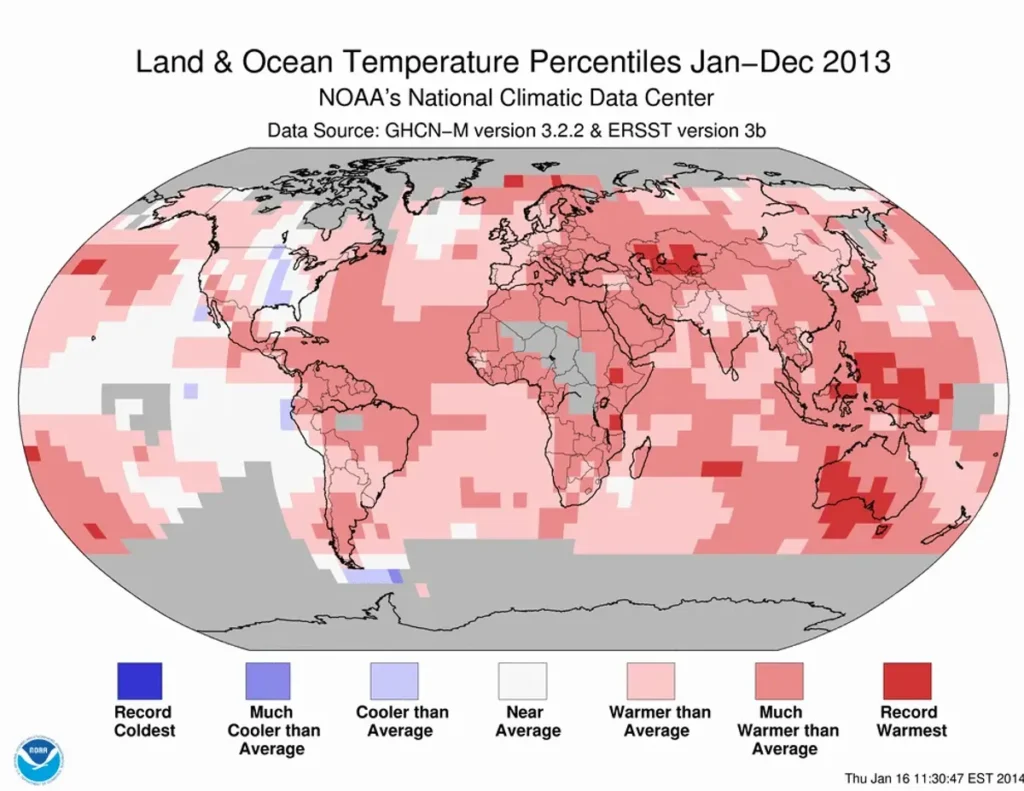
As we enter a new year, it’s essential to understand the severity of global warming and its effects on our planet. The past decade has seen unprecedented temperatures, with the last 11 years being the warmest on record. This article aims to explore the causes and consequences of climate change, specifically focusing on the temperature increases in 2013.
Introduction to Global Warming
Global warming, also known as climate change, refers to the long-term rise in the average surface temperature of the Earth due to human activities that release greenhouse gases into the atmosphere. These gases, such as carbon dioxide and methane, trap heat from the sun, leading to a global average temperature increase.
Understanding Temperature Records
The Met Office predicts that 2013 will be one of the hottest years on record, with a global average temperature increase of 0.57°C above pre-industrial levels. This may not seem like a significant amount, but it can have devastating effects on our planet. The Intergovernmental Panel on Climate Change (IPCC) warns that if we continue to emit greenhouse gases at the current rate, temperatures could rise by up to 4.8°C within the next 90 years.
The Causes of Global Warming
So, what’s driving this alarming trend? The main culprit is human activity, specifically the burning of fossil fuels and deforestation. These actions release massive amounts of carbon dioxide into the atmosphere, trapping heat and leading to a global average temperature increase. However, there are also natural factors at play, such as volcanic eruptions and changes in ocean currents.
The burning of fossil fuels, such as coal, oil, and gas, releases carbon dioxide into the atmosphere through various means, including power generation, transportation, and industry. Deforestation, which is the permanent destruction of forests, also contributes to climate change by releasing stored carbon into the atmosphere. Additionally, agriculture, especially livestock farming, can lead to methane emissions.
The Impact of Climate Change
Climate change is not just a distant threat; it’s already affecting our planet. Rising temperatures are causing melting of glaciers and ice caps, sea-level rise, and more frequent extreme weather events like heatwaves, droughts, and heavy rainfall. The consequences of climate change are far-reaching and devastating, from loss of biodiversity to displacement of communities.
Glacier melting is a significant concern, as it contributes to sea-level rise and affects global water availability. Sea-level rise can lead to coastal flooding, erosion, and saltwater intrusion into freshwater sources. Additionally, climate change is altering ecosystems, disrupting food chains, and affecting human health.
The Consequences of Inaction
If we fail to address the root causes of global warming, the effects will be catastrophic. Rising temperatures can lead to food and water shortages, displacement of populations, and increased risk of natural disasters. It’s essential that we take immediate action to reduce our carbon footprint and transition to renewable energy sources.
Climate change also has significant economic implications, from damage to infrastructure to loss of productivity. According to the IPCC, climate change could cost the global economy up to 11% of its GDP by 2100 if left unchecked.
The Role of Human Behavior
So, what can individuals do to make a difference? The answer lies in changing our behavior and adopting sustainable practices. This includes reducing energy consumption, using public transport, eating a plant-based diet, and reducing waste. Every small action counts, and collective efforts can lead to significant positive change.
Individuals can also support renewable energy projects, invest in sustainable infrastructure, and advocate for climate policies in their communities. By making conscious choices about our daily habits, we can contribute to mitigating the effects of climate change.
The Future of Climate Change
As we move forward, it’s essential to stay informed about the latest climate change research and policy developments. The IPCC will continue to provide critical updates on global warming trends, and governments must take bold action to address this pressing issue.
Governments can implement policies that support sustainable development, such as carbon pricing, renewable energy targets, and green infrastructure investments. Additionally, businesses and industries can adopt sustainable practices, invest in clean technologies, and reduce their environmental footprint.
Conclusion
The year 2013 was indeed one of record temperatures, but it’s only the beginning. Climate change is a pressing global issue that requires immediate attention and collective action. As individuals, governments, and industries, we must work together to reduce our carbon footprint, transition to renewable energy sources, and adapt to the changing climate.
Frequently Asked Questions
Q: What are the main causes of global warming?
A: Human activity, specifically the burning of fossil fuels and deforestation, is the primary cause of global warming. However, natural factors like volcanic eruptions and changes in ocean currents also play a role.
Q: How do we know that 2013 will be one of the hottest years on record?
A: The Met Office predicts a global average temperature increase of 0.57°C above pre-industrial levels, based on data from the University of East Anglia, NASA Goddard Institute of Space Studies, and the US National Oceanic and Atmospheric Administration.
Q: What are the consequences of climate change?
A: Rising temperatures can lead to melting of glaciers and ice caps, sea-level rise, and more frequent extreme weather events like heatwaves, droughts, and heavy rainfall. Climate change also affects biodiversity and displaces communities.
Q: Can we still reverse the effects of global warming?
A: Yes, but it requires immediate action. Reducing our carbon footprint, transitioning to renewable energy sources, and adopting sustainable practices can help mitigate the effects of climate change.
Q: What role can individuals play in addressing climate change?
A: Individuals can make a difference by reducing energy consumption, using public transport, eating a plant-based diet, and reducing waste. Collective efforts can lead to significant positive change.
Q: How will governments address climate change?
A: Governments must take bold action to reduce greenhouse gas emissions, invest in renewable energy sources, and implement policies that support sustainable development.
Q: What is the future of climate change research?
A: The Intergovernmental Panel on Climate Change (IPCC) will continue to provide critical updates on global warming trends, and researchers will continue to study the effects of climate change on our planet.
Q: Can we still adapt to the changing climate?
A: Yes, but it requires immediate action. By understanding the causes and consequences of climate change, we can prepare for a more sustainable future and adapt to the changing climate.
Q: What are some ways to reduce carbon emissions?
A: There are many ways to reduce carbon emissions, including using public transport, eating a plant-based diet, reducing energy consumption, and investing in renewable energy sources.


