
Prociones in Italy: Where They Live, Diet, and Reproduction
Are you wondering what a procione is, how it lives, eats, and reproduces? Look no further! In this article, we’ll delve into the world of these fascinating creatures and explore their characteristics, habits, and habitats.
What is a Procione?
A procione is not just an orsetto lavatore; it’s also known as Procyon lotor, named after Carl Linnaeus. This mammal belongs to the family Procyonidae and is native to North America. Its name might sound unusual, but it’s actually quite fitting, considering its unique characteristics.
Characteristics of a Procione
A procione is not just a small, cute animal; it’s actually quite large, measuring between 41 cm to 71 cm in length, with some specimens reaching up to 13.6 kg in weight. The most distinctive feature of a procione is its black mask around the eyes, which contrasts with its white belly. Its ears are also shaped like those of an orsetto lavatore.
The fur color of a procione can vary from gray to grizzled, and it’s quite long and stiff. Some specimens might have brownish or reddish undertones, but these are less noticeable compared to the black mask.
Where Do Prociones Live?
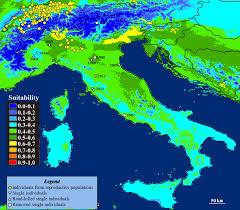
Prociones are not exclusive to Italy; they can be found in various parts of North America, particularly in forests, wetlands, and prairies. However, their presence has been spotted in other regions, including southern America and islands. In Italy, specifically, there have been sightings in the Lombardy region, particularly near the Po River.
Their adaptability to different environments makes them quite successful in various ecosystems. They might live in cities as well, especially in American cities. Some people consider prociones to be pests due to their ability to scavenge and feed on garbage.
Habitat Types of Prociones
Prociones can thrive in a variety of habitats, including:
- Forests: Prociones are skilled climbers and have been known to live in dense forests.
- Wetlands: The wetland environment provides prociones with access to fish and other aquatic animals.
- Prairies: Prociones often inhabit grasslands and open fields.
What Do Prociones Eat?
Prociones are omnivores and will eat almost anything they can find. This includes fish, small mammals, insects, eggs, and even trash. The term “orsetto lavatore” comes from their tendency to “wash” their food by soaking it quickly in water before consuming it.
Their diet is quite varied and opportunistic. They are able to thrive in many different environments and can be found in forests, wetlands, prairies, and even urban areas.
How Do Prociones Reproduce?
The reproductive cycle of prociones typically starts during the spring months, when males begin to mate with females. This process usually lasts for only three days, after which the female becomes pregnant and gives birth to a litter of 2-5 young after about two months (63-65 days).
These baby prociones are born weighing around 70 grams and grow rapidly, becoming independent at about nine weeks old.
Unique Behaviors of Prociones
Prociones have some unique behaviors that set them apart from other animals. These include:
- Climbing: Prociones are skilled climbers and use their powerful limbs to ascend trees and other vertical surfaces.
- Swimming: Prociones are good swimmers and often swim in search of food or shelter.
- Digging: Prociones are capable diggers and will often burrow into soil or sand to create nests or escape danger.
What Makes a Procione Suitable as a Pet?
While it’s possible to keep a procione as a pet, they don’t make ideal companions. They have strong personalities and can be quite challenging to care for. It’s essential to consider this before deciding to adopt one.
Prociones are naturally curious and active animals that require specialized care. Their independence and tendency to engage in destructive behavior mean that owners must provide them with plenty of space, attention, and appropriate stimulation.
Where Can You Find Prociones for Adoption?
If you’re interested in adopting a procione, it’s best to contact local animal shelters or organizations specializing in unusual animals. Some refuges also offer adoption programs for these unique creatures.
Before bringing one home, make sure that the seller has the necessary permits and guarantees that the animal doesn’t carry diseases that could be transmitted to humans.
Frequently Asked Questions
Q: Are Prociones Native to Italy?
A: No, prociones are native to North America. While they have been spotted in other regions, including southern America and islands, their presence is not widespread in Italy.
Q: What Do Prociones Eat?
A: As omnivores, they consume a wide variety of food sources, including fish, insects, eggs, small mammals, and even trash.
Q: Can I Keep a Procione as a Pet?
A: While it’s possible to keep a procione as a pet, it’s not recommended due to their strong personalities, independence, and tendency to engage in destructive behavior.
Q: How Do Prociones Reproduce?
A: The reproductive cycle of prociones typically starts during the spring months. Males begin mating with females after three days of courtship, followed by pregnancy lasting approximately two months, resulting in litters of 2-5 young.
Q: Can I Find Prociones for Adoption?
A: Yes, contact local animal shelters or organizations specializing in unusual animals. Ensure that sellers have necessary permits and guarantees against disease transmission.
Follow Us
If you found this article informative and interesting, follow us on Twitter, Facebook, Google+, and Instagram for more unique content!
(P.S. Did you know about the Vombato? Check out our next article to learn more about this fascinating creature!)
Prociones are incredibly fascinating creatures that have adapted well to different environments in North America and Italy. Their omnivorous diet, climbing ability, and unique behaviors make them a popular subject of study among wildlife enthusiasts.
If you’re interested in learning more about prociones or other unusual animals, be sure to check out our website for the latest articles and updates!


