
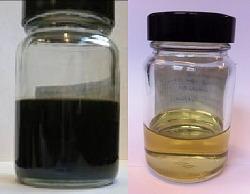
As the world continues to grapple with climate change and environmental degradation, innovative solutions are needed to reduce our reliance on fossil fuels. One such solution lies in the utilization of waste vegetable oil (WVO) as a sustainable fuel source. In this article, we will explore the benefits of using WVO, how it is produced, and its potential impact on the environment.
What is Waste Vegetable Oil?
Waste vegetable oil is the oil extracted from used cooking oils, such as those derived from frying vegetables, nuts, and seeds. This oil is a byproduct of the food industry and would otherwise end up in landfills or be disposed of through other means.
The Benefits of Using WVO as a Fuel Source
Using WVO as a fuel source offers several benefits:
- Renewable Energy: WVO is a renewable energy source, meaning it can be replenished naturally. This reduces our reliance on non-renewable resources and decreases greenhouse gas emissions.
- Sustainable Transportation: WVO can be used to power vehicles, reducing our dependence on fossil fuels and decreasing greenhouse gas emissions. Biodiesel from WVO can also be used in diesel engines without any modifications.
- Economic Benefits: The production of WVO can create jobs and stimulate local economies. Additionally, the use of WVO as a fuel source can reduce energy costs for businesses and individuals.
How is WVO Produced?
The production of WVO involves several steps:
- Collection: Used cooking oils are collected from restaurants, households, and other sources.
- Refining: The collected oil is refined to remove impurities and improve its quality. This process typically includes degumming, neutralization, bleaching, and deodorizing.
- Transesterification: The refined oil is then transesterified to produce biodiesel. This process involves reacting the oil with an alcohol in the presence of a catalyst.
The Importance of WVO Recycling
WVO recycling is crucial for reducing waste and promoting sustainability. According to the Environmental Protection Agency (EPA), approximately 200,000 tons of used cooking oils are discarded annually in the United States alone. These oils can be recycled into biodiesel, reducing greenhouse gas emissions and dependence on fossil fuels.
The Benefits of WVO Recycling
WVO recycling offers several benefits:
- Reduced Greenhouse Gas Emissions: The production of biodiesel from WVO reduces greenhouse gas emissions by up to 75% compared to traditional diesel fuel.
- Closed-Loop System: WVO recycling creates a closed-loop system, where waste oil is converted into energy and reduced waste.
- Conservation of Non-Renewable Resources: By using WVO as a fuel source, we conserve non-renewable resources such as petroleum.
Challenges and Opportunities
While WVO recycling offers numerous benefits, there are also challenges and opportunities:
- Infrastructure Development: The development of infrastructure for WVO collection and processing is necessary to increase its adoption. This includes the construction of collection facilities, transportation systems, and storage facilities.
- Economic Incentives: Economic incentives, such as tax credits and grants, can encourage the production and use of biodiesel from WVO. Governments and organizations can also provide education and training programs for individuals interested in WVO recycling.
Conclusion
The utilization of waste vegetable oil as a sustainable fuel source offers numerous benefits, including renewable energy, sustainable transportation, and economic benefits. However, challenges and opportunities exist, particularly in terms of infrastructure development and economic incentives. As we move towards a more sustainable future, it is essential to explore innovative solutions like WVO recycling.
Frequently Asked Questions
- What is biodiesel?: Biodiesel is a renewable fuel made from organic matter such as plants and waste oil.
- How is biodiesel produced?: Biodiesel is produced through the transesterification process, where used cooking oils are converted into fatty acid methyl esters (FAME).
- What are the benefits of WVO recycling?: The production of biodiesel from WVO reduces greenhouse gas emissions by up to 75% compared to traditional diesel fuel and creates a closed-loop system.
- How can we increase WVO adoption?: Infrastructure development, economic incentives, and education are necessary to encourage the production and use of biodiesel from WVO.
- What is the future of sustainable energy?: The future of sustainable energy lies in the development of renewable fuels like biodiesel from waste vegetable oil and other organic matter.
References
- National Renewable Energy Laboratory (NREL). (2020). Biodiesel.
- United States Environmental Protection Agency. (2020). Waste Vegetable Oil Recycling.
- Food and Agriculture Organization of the United Nations. (2018). Biodiesel from Vegetable Oils.
By understanding the benefits of using WVO as a sustainable fuel source, we can take steps towards reducing our reliance on fossil fuels and promoting sustainability.


