
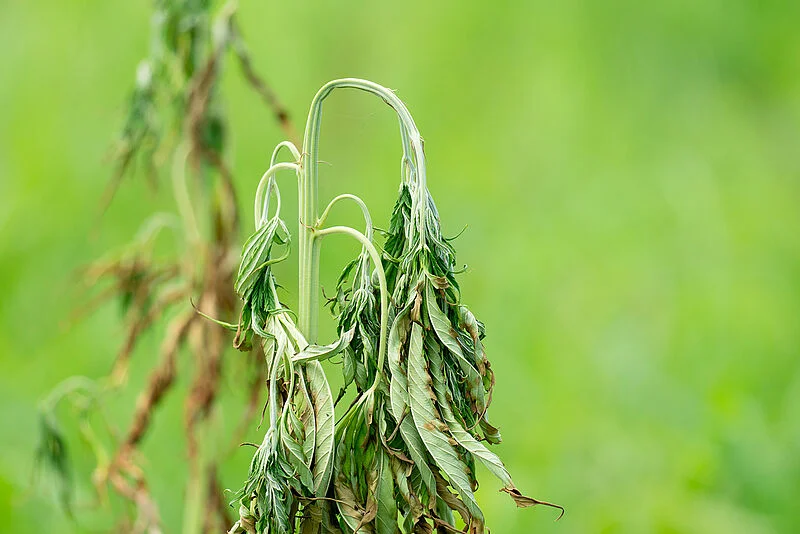
Fusariosi is a fungal disease that affects plants, particularly those found in gardens and orchards. It’s essential to understand the causes, symptoms, and control measures to prevent this disease from affecting your crops.
What is Fusariosi?
Fusariosi is a type of fungal infection caused by the fungus Fusarium oxysporum. It thrives in hot and humid climates or areas with standing water, making it a significant concern for gardeners and farmers worldwide. This disease can also be spread through contaminated soil, tools, and equipment.
History of Fusariosi
Fusariosi has been reported on various continents, including Asia, Africa, Europe, and the Americas. It’s believed to have originated in tropical regions where the fungus naturally occurs. The disease was first identified in the 1960s, but its impact has grown significantly over the years due to increased global trade, travel, and climate change.
Symptoms of Fusariosi
Fusariosi affects various plant species, including ornamental plants and those grown for food production. The symptoms of fusariosi include:
- Leaf spot or blight: Yellowing or browning leaves, with black or brown spots forming.
- Stem rot: Soft, mushy stems that can cause the entire stem to collapse.
- Root rot: Soft, rotting roots that can lead to plant death.
Fusariosi in Specific Plant Species
Fusariosi affects various plant species, including:
- Tomatoes: Fusariosi can cause significant damage to tomato plants, leading to reduced yields and lower quality fruit.
- Corn: Fusariosi can reduce corn yields and affect the quality of the grain.
- Wheat: Fusariosi can lead to reduced wheat yields, lower quality grain, and increased costs for farmers.
Prevention is Key
To prevent fusariosi, it’s essential to understand its causes and take preventive measures:
- Maintain good soil health: Use high-quality fertilizers and follow proper irrigation practices to maintain healthy soil.
- Remove weeds: Weeds can harbor fungal spores that spread fusariosi.
- Use clean equipment: Regularly disinfect tools and equipment to prevent the spread of fungal spores.
Biological Control Methods
Researchers have discovered new methods for controlling fusariosi using non-invasive strains of Fusarium oxysporum. These strains can colonize plant roots without causing disease, making them an effective tool for managing fusariosi.
- Fusarium oxysporum: This strain has been found to be less pathogenic than other Fusarium species and can serve as a biological control agent.
- Rhizome colonization: The fungus can colonize plant rhizomes without causing disease, making it an effective tool for managing fusariosi.
Natural Remedies
In addition to biological control methods, there are several natural remedies that can help prevent fusariosi:
- Substrate quality: Use high-quality substrates and maintain adequate pH levels.
- Pest management: Monitor for pests that can spread fungal spores.
- Crop rotation: Rotate crops regularly to reduce the risk of fusariosi.
Integrated Pest Management
Integrated pest management (IPM) strategies are essential for managing fusariosi. IPM involves a combination of techniques, including:
- Crop monitoring: Regularly monitor plants for signs of fusariosi.
- Sanitation: Maintain clean equipment and tools to prevent the spread of fungal spores.
- Resistant plant varieties: Use resistant plant varieties that have been bred to be less susceptible to fusariosi.
Conclusion
Fusariosi is a significant disease affecting various plant species worldwide. Understanding its causes, symptoms, and control measures is crucial for preventing this disease from impacting your crops. By maintaining good soil health, removing weeds, using clean equipment, and adopting biological control methods and natural remedies, you can effectively manage fusariosis and protect your plants.
Frequently Asked Questions
Q: What are the most common causes of fusariosi?
A: Fusariosi is caused by the fungus Fusarium oxysporum, which thrives in hot and humid climates or areas with standing water.
Q: How does fusariosi affect plant yields?
A: Fusariosi can significantly reduce plant yields, particularly for crops like tomatoes, corn, and wheat.
Q: What are some effective ways to prevent fusariosi?
A: Maintaining good soil health, removing weeds, using clean equipment, and adopting biological control methods and natural remedies can help prevent fusariosi.
Q: Can fusariosi be spread through contaminated water?
A: Yes, fusariosi can be spread through contaminated water, making it essential to use proper irrigation practices and avoid overwatering.
Q: How long does it take for fusariosi to manifest in plants?
A: The time frame for fusariosi symptoms to appear can vary depending on the plant species and environmental conditions. Generally, symptoms start within 7-14 days after infection.
Q: Can fusariosi be treated with fungicides?
A: While fungicides can provide temporary relief from fusariosi symptoms, they are not a long-term solution. It’s essential to adopt integrated pest management strategies that address the root cause of the disease.
Q: How often should I inspect my plants for signs of fusariosi?
A: Regularly inspect your plants for signs of fusariosi, such as yellowing or browning leaves, soft stems, and black or brown spots. Take action promptly if you notice any suspicious symptoms.
Q: Can fusariosi be transmitted to humans?
A: There is no evidence that fusariosi can be transmitted to humans. However, handling infected plants or soil can potentially lead to fungal infections in people with weakened immune systems.
Q: What are some alternative approaches for managing fusariosi?
A: In addition to biological control methods and natural remedies, consider using integrated pest management strategies, such as crop rotation, proper sanitation, and the use of resistant plant varieties.


