
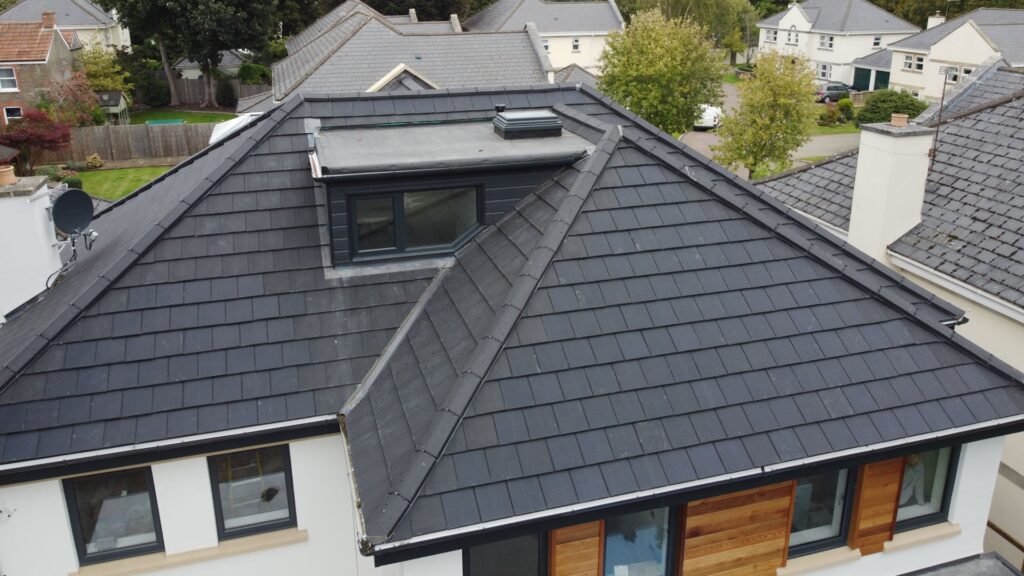
Are you torn between solar roof tiles and photovoltaic systems for your home’s energy needs? Both options have their advantages and disadvantages, which we’ll explore in this article.
What are Solar Roof Tiles?
Solar roof tiles are a new type of roofing material that incorporates solar panels into the design. They’re thinner, lighter, and more aesthetically pleasing than traditional photovoltaic systems. These tiles can be installed on any rooftop, making them an attractive option for homeowners.
How do Solar Roof Tiles Work?
Most solar roof tiles use silicon-based solar cells, which are similar to those found in traditional photovoltaic panels. However, some tiles use a thin-film technology that’s more affordable but less efficient.
What are the Benefits of Solar Roof Tiles?
Solar roof tiles offer several benefits, including:
- Energy Efficiency: They can generate electricity while maintaining the structural integrity of your roof.
- Aesthetics: Their sleek design makes them a desirable choice for homeowners looking to upgrade their home’s appearance.
- Easy Installation: These tiles are relatively easy to install and require minimal maintenance.
How do Solar Roof Tiles Compare to Traditional Photovoltaic Systems?
While both options have their advantages, solar roof tiles offer some unique benefits. For instance:
- Flexibility: They can be installed on any rooftop, regardless of the angle or orientation.
- Cost-Effectiveness: Solar roof tiles are often more affordable than traditional photovoltaic systems.
However, there are some key differences between the two options. For example:
- Efficiency: Traditional photovoltaic systems tend to be more efficient than solar roof tiles.
- Maintenance: These systems require more frequent cleaning and maintenance than solar roof tiles.
When Should You Choose Solar Roof Tiles?
There are several scenarios in which solar roof tiles might be the better choice for you. For example:
- Difficulty with Obtaining a Permit: If you’re having trouble getting approval for an installation on your rooftop, solar roof tiles might be a more practical solution.
- Unfavorable Roof Angle or Orientation: If your rooftop is oriented in such a way that makes it difficult to install traditional photovoltaic systems, solar roof tiles could provide a better option.
However, there are some situations in which traditional photovoltaic systems might be the better choice. For example:
- Higher Efficiency Requirements: If you need a high level of energy efficiency, traditional photovoltaic systems tend to perform better.
- Less Expensive Upfront Costs: In some cases, traditional photovoltaic systems can provide lower upfront costs compared to solar roof tiles.
Types of Solar Roof Tiles
There are several types of solar roof tiles available in the market. Some of these include:
- Thin-Film Solar Roofs: These use a thin layer of photovoltaic material to generate electricity.
- Thick-Film Solar Roofs: These use a thicker layer of photovoltaic material to generate more electricity.
- Silicon-Based Solar Roofs: These use silicon-based solar cells, which are similar to those found in traditional photovoltaic panels.
Installation Process
The installation process for solar roof tiles is relatively straightforward. Here’s an overview of the steps involved:
- Assessment: The first step is to assess your rooftop’s suitability for a solar roof tile installation.
- Design: Next, you’ll need to design the layout of your solar roof tiles, taking into account factors such as angle and orientation.
- Installation: The installation process typically involves attaching the solar roof tiles to your existing roof structure using specialized fasteners.
- Inspection: Once installed, it’s essential to inspect the system for any defects or issues.
Maintenance Requirements
Solar roof tiles require minimal maintenance compared to traditional photovoltaic systems. However, there are some tasks that need to be performed regularly to ensure optimal performance:
- Cleaning: Solar roof tiles should be cleaned periodically to remove dirt and debris.
- Monitoring: It’s essential to monitor your system’s performance using specialized software or devices.
- Maintenance: Perform routine maintenance tasks, such as checking for loose connections and ensuring proper alignment.
Cost Comparison
The cost of solar roof tiles is typically higher than traditional photovoltaic systems. However, there are some scenarios in which solar roof tiles can be more cost-effective:
- Higher Efficiency Requirements: If you need a high level of energy efficiency, solar roof tiles might provide better value for money.
- Less Expensive Upfront Costs: In some cases, traditional photovoltaic systems can provide lower upfront costs compared to solar roof tiles.
Conclusion
The decision between solar roof tiles and photovoltaic systems ultimately depends on your specific needs and circumstances. Both options have their advantages and disadvantages, so it’s essential to weigh these factors carefully before making a decision.
Frequently Asked Questions
- What is the average lifespan of a solar roof tile?
- The average lifespan of a solar roof tile is around 30 years.
- How much do solar roof tiles cost compared to traditional photovoltaic systems?
- The cost of solar roof tiles can vary depending on the manufacturer and quality, but they tend to be more expensive than traditional photovoltaic systems.
- Do solar roof tiles require frequent maintenance?
- Solar roof tiles typically require less maintenance than traditional photovoltaic systems, as they are designed to withstand harsh weather conditions and last for decades.
- Can I install a combination of solar panels and roof tiles on my home?
- Yes, it’s possible to install both solar panels and roof tiles on your home. This can provide an efficient energy solution while maintaining the structural integrity of your roof.
- Are there any tax incentives available for homeowners who choose solar roof tiles?
- Tax incentives vary by location and country, so it’s essential to check with local authorities for more information.
About the Author
Anna De Simone is a passionate advocate for sustainable energy solutions. She’s written extensively on topics related to renewable energy, green building, and eco-friendly living.


