
Are you tired of watching your gas bill skyrocket every month? Did you know that even minor adjustments can make a significant difference in your fuel efficiency? In this article, we’ll explore the often-overlooked factors that affect your car’s gasoline consumption and provide practical tips on how to save money.
The Power of Atmospheric Conditions
One of the most crucial aspects of saving gas is understanding how atmospheric conditions impact your car’s performance. For instance, driving in strong winds or during rainy days can increase fuel consumption because your car needs to work harder to maintain speed. It’s surprising how a seemingly minor change in weather can make a substantial difference.
Atmospheric Conditions and Fuel Efficiency
Did you know that wind resistance can account for up to 10% of fuel consumption? On the other hand, driving at high speeds during calm conditions can also reduce fuel efficiency. The same principle applies to rain and snow; your car needs to work harder to maintain speed in adverse weather conditions.
Atmospheric Conditions and Fuel Prices
In addition to increasing fuel consumption, atmospheric conditions like wind resistance and temperature can also impact fuel prices. As temperatures drop or rise, fuel demand increases, leading to higher prices. By understanding these factors, you can make informed decisions about when to drive and how to adjust your driving habits.
10 Proven Tips for Saving Gasoline
While there are many ways to save gas, here are ten proven tips to get you started:
1. Regular Maintenance: The Key to Efficiency
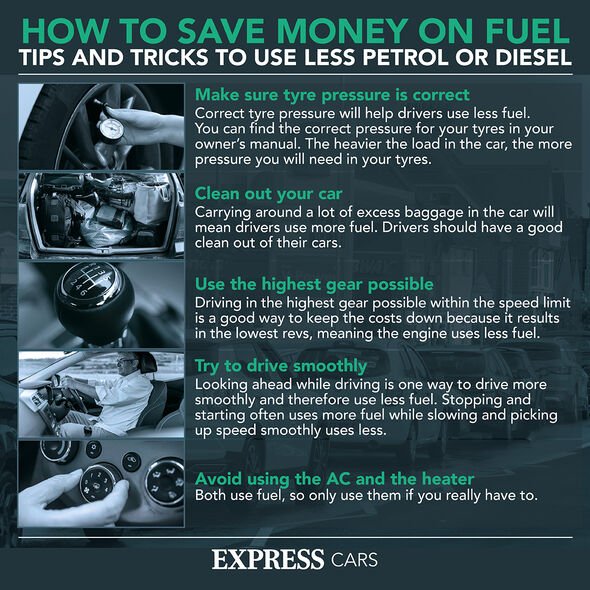
Regular maintenance is essential for ensuring your car runs efficiently. One critical component that often goes unnoticed is the air filter. A dirty air filter can significantly reduce your car’s fuel efficiency. Make sure to replace it regularly, and keep an eye on other vital components like the tire pressure.
2. Avoid High Speeds: Save Gas at 90 km/h
Did you know that driving at high speeds can waste up to 10% of gas? By keeping your speed between 60-80 km/h, you can enjoy a significant reduction in fuel consumption. It’s not about being slow; it’s about being smart.
3. Load Management: Don’t Overload Your Car
Overloading your car with too many passengers or cargo can increase fuel consumption by up to 5%. Make sure to keep your load within the recommended limits, and consider removing unnecessary items if you’re not planning on using them during the trip.
4. Drive Smoothly: Reduce Wear and Tear on Your Car
Aggressive driving techniques like rapid acceleration and braking can wear out your car’s components faster than necessary. By driving smoothly and avoiding sudden movements, you’ll reduce fuel consumption and extend your car’s lifespan.
5. Minimize Idling: Save Gas with Every Small Action
When stopping at red lights or waiting for passengers, make sure to turn off your engine. Idling can waste up to 20% of gas over time. By turning off your engine when possible, you’ll save money and reduce greenhouse gas emissions.
6. Avoid Traffic Congestion: Reduce Stress and Save Gas
Urging to get out of traffic congestion is a common phenomenon. However, did you know that driving at slower speeds can help reduce fuel consumption? Plan ahead, use GPS navigation, and take regular breaks to avoid stressful driving situations.
7. Optimize Your Gearbox: Shift with the Wind
Adjust your gearbox according to the wind resistance. When you feel like shifting into higher gear, it’s likely due to the increased drag from strong winds or heavy loads. By adjusting your gearbox accordingly, you can reduce fuel consumption and maintain a stable speed.
8. Regulate Your Air Conditioning: Less Energy, More Savings
While driving at high speeds, make sure to turn off your air conditioning. It may seem counterintuitive, but keeping your car cool during hot weather can waste up to 10% of gas. By adjusting your climate control settings, you’ll save energy and reduce fuel consumption.
9. Install Gas-Saving Devices: Say Hello to Grisù
Are you interested in installing devices that optimize your car’s performance? Consider the Grisù system, which helps reduce fuel consumption by up to 20%. Consult with a professional mechanic or dealership representative to explore options for your vehicle.
10. Plan Your Route: Reduce Fuel Consumption by Choosing Efficient Routes
Planning your route in advance can help you avoid congested areas and reduce fuel consumption. Use GPS navigation or mapping apps to find the most efficient routes, and consider avoiding highways during rush hour.
Conclusion
Saving gas doesn’t have to be complicated. By implementing these ten simple yet effective tips, you can enjoy significant reductions in fuel consumption and save money on your next gas bill. So why wait? Start driving more efficiently today!
Frequently Asked Questions (FAQs)
Q: Can I really save up to 10% of gas by driving at 90 km/h?
A: Yes! Studies have shown that reducing speed can lead to significant fuel savings, especially for cars with high engine power. By adjusting your speed, you’ll not only save money but also reduce greenhouse gas emissions.
Q: How often should I replace my air filter?
A: Typically every 15,000-30,000 miles (24,000-48,000 kilometers) or according to the manufacturer’s recommendations. A clean air filter is essential for maintaining your car’s fuel efficiency.
Q: Can I save more gas by driving aggressively?
A: No! Aggressive driving techniques can wear out your car’s components faster and increase fuel consumption in the long run. By driving smoothly, you’ll not only save money but also extend your car’s lifespan.
Q: How often should I check my tire pressure?
A: Regularly, at least once a month, or whenever you notice changes in your car’s performance. Proper tire pressure can significantly reduce fuel consumption and improve safety.
Q: Can installing gas-saving devices like Grisù really make a difference?
A: Yes! By optimizing your car’s performance and reducing fuel consumption, these devices can lead to significant savings over time. Consult with a professional mechanic or dealership representative to explore options for your vehicle.
By following these simple tips, you’ll be driving more efficiently and saving money on your next gas bill.


