
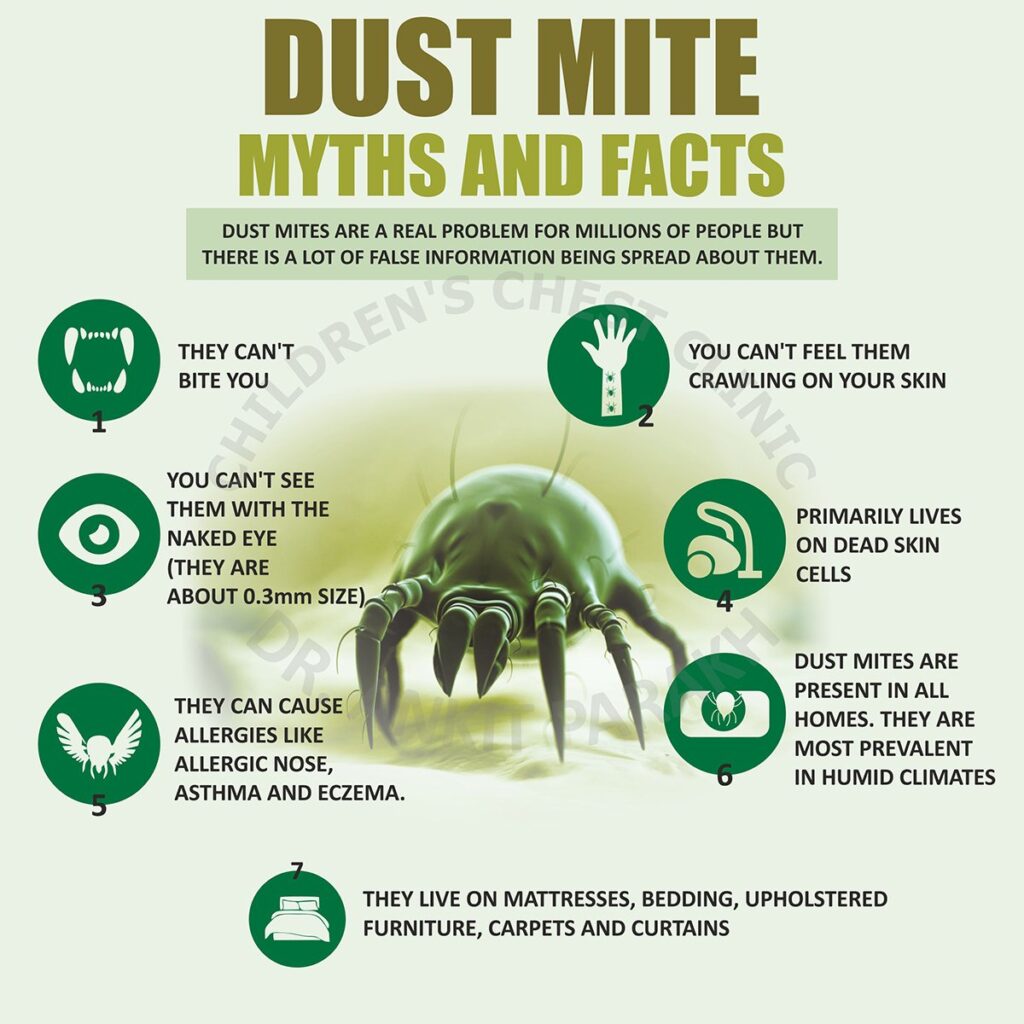
As one of the most common types of allergies, dust mite allergy can cause a wide range of symptoms, from mild discomfort to life-altering conditions. In this article, we will delve into the world of dust mites, explore their impact on our health, and discuss practical strategies for prevention and management.
What are Dust Mites?
Dust mites are tiny organisms that live in household environments and feed on human skin cells, hair, and other organic matter. These microscopic creatures thrive in warm, humid conditions and can multiply rapidly, leading to an overwhelming presence of their waste products in the air we breathe. The byproducts of dust mite activity include:
- Dead skin cells
- Hair
- Fibers from carpets and upholstered furniture
- Other organic matter
These substances become airborne, where they are inhaled and trigger allergic reactions in sensitive individuals.
Common Symptoms of Dust Mite Allergy
Dust mite allergy can manifest in various ways, affecting different parts of the body. Some common symptoms include:
- Nasal congestion and rhinorrhea
- Itchy, watery eyes
- Coughing and wheezing
- Sore throat
- Skin rashes and hives
In severe cases, dust mite allergy can lead to more serious conditions such as asthma, eczema, or even life-threatening allergic reactions.
How is Dust Mite Allergy Diagnosed?
Diagnosis typically involves a simple blood test, which detects the presence of specific IgE antibodies produced in response to dust mites. In some cases, a prick test may be conducted to identify individual allergens.
Prevention Strategies for Dust Mite Allergy
While it’s impossible to create a completely sterile environment, several measures can help reduce dust mite populations and alleviate symptoms:
1. Improve Ventilation and Air Quality
- Open windows and use fans to enhance airflow
- Install dehumidifiers to maintain a relative humidity level below 50%
- Regularly clean and vacuum carpets, upholstered furniture, and mattresses
Improving ventilation and air quality is essential in reducing dust mite populations. By ensuring that the air in your home is well-ventilated, you can prevent dust mites from multiplying and reduce the amount of allergens present.
2. Minimize Dust Mite Habitats
- Avoid cluttered spaces with tight-fitting bedding and curtains
- Use synthetic fibers for clothing and upholstery instead of natural fibers like wool or silk
- Wash bedding in hot water (at least 130°F) once a week
- Dry cleaning or dry washing can also help
Minimizing dust mite habitats involves creating an environment that is less conducive to their survival. This can be achieved by using synthetic fibers, avoiding cluttered spaces, and regularly washing bedding.
3. Utilize Allergen-Repelling Products
- Consider using allergen-proof mattress and pillow encasements
- Look for products treated with insecticides, such as those containing permethrin
Using allergen-repelling products is another effective way to reduce dust mite populations. Allergen-proof mattress and pillow encasements can prevent dust mites from entering your bedding, while products treated with insecticides can help kill them.
4. Maintain Cleanliness
- Regularly vacuum and dust surfaces, paying attention to corners and crevices
- Use a damp cloth to wipe down surfaces, reducing the risk of dust mite eggs hatching
Maintaining cleanliness is crucial in preventing dust mites from multiplying. By regularly vacuuming and dusting surfaces, you can reduce the amount of organic matter present, making it less appealing to dust mites.
5. Consult a Healthcare Professional for Medication Options
Consulting a healthcare professional is essential when developing an allergy management plan. They can recommend suitable medications, such as antihistamines or corticosteroids, to alleviate symptoms and reduce inflammation.
Additional Prevention Strategies
In addition to the measures mentioned above, there are several other strategies that can help prevent dust mite allergies:
- Use HEPA Filters: High-Efficiency Particulate Air (HEPA) filters can help remove allergens from the air, reducing the amount of dust mites present.
- Wash Clothing and Bedding Regularly: Washing clothing and bedding regularly in hot water can help kill dust mites and reduce their populations.
- Dry Cleaning or Dry Washing: Dry cleaning or dry washing can also be effective in killing dust mites and reducing their populations.
Conclusion
Dust mite allergy is a common condition affecting millions worldwide. By understanding its causes, recognizing symptoms, and implementing practical prevention strategies, individuals can take control of their health. Regularly checking for signs of dust mites, maintaining cleanliness, using allergen-repelling products, and consulting a healthcare professional are all essential steps in preventing this type of allergy.
What to Do If You Have Dust Mite Allergy Symptoms
If you experience symptoms of dust mite allergy, there are several things you can do:
- Keep Your Home Clean: Regularly cleaning your home can help reduce the amount of allergens present.
- Use Allergen-Repelling Products: Using products treated with insecticides or other allergen-repelling agents can help kill dust mites and reduce their populations.
- Consult a Healthcare Professional: Consulting a healthcare professional can help you develop an effective treatment plan to alleviate symptoms.
Conclusion
Dust mite allergy is a common condition that can have a significant impact on our health. By understanding its causes, recognizing symptoms, and implementing practical prevention strategies, individuals can take control of their health. Regularly checking for signs of dust mites, maintaining cleanliness, using allergen-repelling products, and consulting a healthcare professional are all essential steps in preventing this type of allergy.
Additional Tips
In addition to the measures mentioned above, there are several other tips that can help prevent dust mite allergies:
- Keep Your Home Well-Ventilated: Keeping your home well-ventilated can help reduce the amount of allergens present.
- Use A HEPA Filter: High-Efficiency Particulate Air (HEPA) filters can help remove allergens from the air, reducing the amount of dust mites present.
- Wash Clothing and Bedding Regularly: Washing clothing and bedding regularly in hot water can help kill dust mites and reduce their populations.
By following these tips, individuals can take control of their health and prevent dust mite allergies.


