
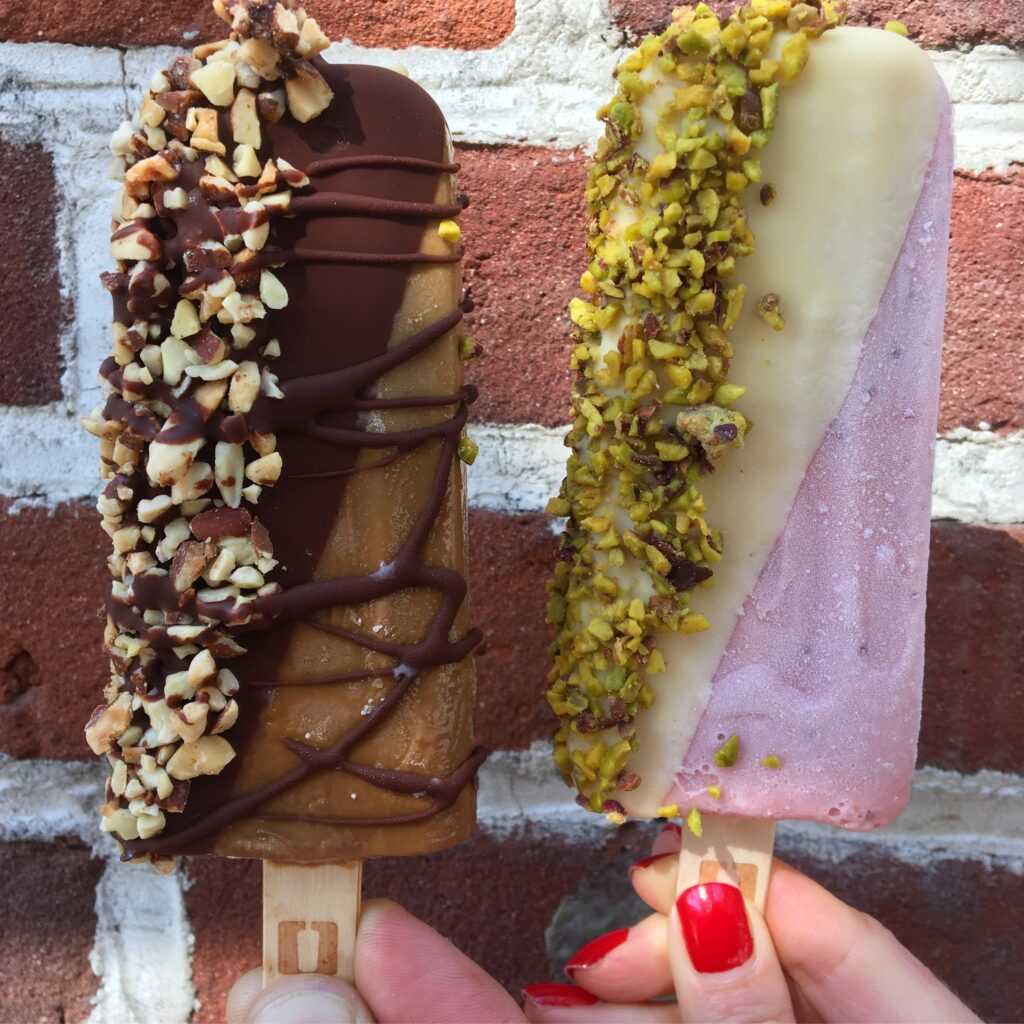
As we navigate the complexities of modern life, it’s easy to overlook the small but significant changes that can make a big impact on our daily habits and choices. One such phenomenon is the rise of sustainable ice cream shops, like Stickhouse, which are redefining the way we think about frozen treats.
In this exclusive interview, we sit down with Donatella De Giorgi, founder of Stickhouse, to discuss her vision for a more eco-friendly food industry and how her shop is leading the charge. From innovative packaging solutions to creative marketing strategies, De Giorgi shares her insights on what it takes to make a business truly sustainable.
The Birth of Stickhouse
Donatella’s journey began when she and her son Giacomo stumbled upon a small gelato shop in Bologna that caught their attention with its high-quality products. The duo decided to open the first Stickhouse location in Milan, bringing their passion for sustainability and delicious ice cream to the city.
“We wanted to create a business that not only served amazing gelato but also reflected our values of eco-friendliness and social responsibility,” De Giorgi explains.
Going Green
While the focus on sustainable products is a significant aspect of Stickhouse’s mission, it’s not the only area of emphasis. The shop’s commitment to reducing waste extends beyond the products themselves.
“We use biodegradable packaging materials whenever possible, such as compostable bags and containers made from polystyrene foam,” De Giorgi notes.
However, the cost of these eco-friendly options can be a barrier for some businesses. How does Stickhouse balance the need for sustainability with the financial realities of running a shop?
The Cost of Sustainability
De Giorgi acknowledges that the transition to sustainable practices can be expensive, but she emphasizes the long-term benefits.
“We believe that investing in sustainability is essential for building trust with our customers and creating a positive brand image,” she says. “While it may require higher upfront costs, we’re confident that our eco-friendly approach will pay off in the end.”
Distributing Sustainably
One of Stickhouse’s most innovative initiatives is its distribution strategy, which involves using bicycles to deliver products to customers.
“We love the idea of being environmentally friendly and avoiding carbon emissions,” De Giorgi says. “However, implementing this system has proven to be more challenging than expected.”
Despite these challenges, the shop remains committed to finding creative solutions that align with its values.
The Challenges of Regulation
Regulatory barriers can be a significant obstacle for businesses looking to adopt sustainable practices. De Giorgi shares her experiences with the city’s bureaucracy and how it’s impacted Stickhouse’s operations.
“The constant changes in regulations have made it difficult for us to navigate the system,” she says. “We’ve had to adapt our business model multiple times, which has been frustrating but ultimately forced us to be more innovative.”
Future Plans
Looking ahead, De Giorgi reveals plans to launch a new initiative called Book Crossing, which will allow customers to collect and exchange books in exchange for discounts on their purchases.
“We want to create a community-driven program that promotes literacy and sustainability,” she explains. “It’s going to be a fun way for our customers to engage with us and each other.”
Conclusion
As we conclude this interview, it’s clear that Donatella De Giorgi and Stickhouse are leading the charge in the sustainable ice cream revolution.
By embracing eco-friendly practices, creative marketing strategies, and innovative distribution methods, Stickhouse is redefining the way we think about frozen treats. As consumers become increasingly conscious of their environmental impact, businesses like Stickhouse will play a vital role in shaping the future of the food industry.
Frequently Asked Questions
- What inspired you to start Stickhouse?
We were inspired by our passion for sustainable living and delicious ice cream. We wanted to create a business that reflected our values and provided a unique experience for customers. - How do you balance the cost of sustainability with the financial realities of running a shop?
While it may require higher upfront costs, we believe that investing in sustainability is essential for building trust with our customers and creating a positive brand image. - What’s your favorite sustainable packaging material?
We love using biodegradable bags made from plant-based materials. - Why did you choose to use bicycles for distribution?
We wanted to be environmentally friendly and avoid carbon emissions, but we’ve encountered challenges in implementing this system. - How do you stay up-to-date with changing regulations?
We regularly consult with local authorities and attend workshops to ensure we’re meeting the latest requirements. - What’s next for Stickhouse?
We’re excited to launch Book Crossing, a community-driven program that promotes literacy and sustainability through book exchange. - What advice would you give to businesses looking to adopt sustainable practices?
Be creative, stay flexible, and be open to innovation. It may require some trial and error, but the benefits of sustainability far outweigh the costs.
The Rise of Sustainable Ice Cream
In recent years, the ice cream industry has seen a significant shift towards more eco-friendly practices. From using sustainable ingredients to reducing waste, businesses like Stickhouse are leading the charge.
One major player in this movement is Ben & Jerry’s, which has been at the forefront of sustainability in the ice cream industry for decades. The company’s commitment to using environmentally friendly packaging and sourcing ingredients from local farms has set a high standard for other businesses to follow.
Another innovative approach to sustainable ice cream comes from companies like Haagen-Dazs, which uses solar panels to power its operations and reduce its carbon footprint.
The Benefits of Sustainability
So why is sustainability so important in the ice cream industry? For one, it’s about reducing waste and minimizing environmental impact. By using eco-friendly packaging and sourcing ingredients from sustainable sources, businesses like Stickhouse can significantly reduce their carbon footprint.
Additionally, sustainability has a positive impact on brand reputation and customer loyalty. When customers know that they’re supporting a business that shares their values, they’re more likely to become loyal customers and recommend the company to others.
The Future of Sustainable Ice Cream
As consumers continue to prioritize sustainability, businesses like Stickhouse will play a vital role in shaping the future of the ice cream industry.
By embracing eco-friendly practices and innovative distribution methods, companies can create a positive impact on the environment while also providing a unique experience for customers.
As we look to the future, it’s clear that sustainable ice cream is here to stay. With its growing popularity and increasing demand for eco-friendly products, the sustainable ice cream revolution will continue to grow and evolve in the years to come.
The Impact of Sustainable Ice Cream
One of the most significant impacts of sustainable ice cream is on the environment. By reducing waste and minimizing carbon emissions, businesses like Stickhouse can significantly reduce their environmental footprint.
However, sustainability also has a positive impact on the community. By providing jobs and economic opportunities for local farmers and suppliers, companies can create a positive impact on the surrounding area.
Additionally, sustainability promotes social responsibility and transparency. When businesses prioritize sustainability, they’re more likely to be transparent about their practices and policies, which can lead to increased trust with customers and stakeholders.
The Role of Consumers
Consumers play a critical role in driving change in the ice cream industry. By demanding sustainable products and practices, they can create pressure on companies to adopt eco-friendly methods.
Additionally, consumers have the power to promote sustainability through their purchasing decisions. When consumers choose to buy from businesses that prioritize sustainability, they’re sending a message to other companies that this is an important value to uphold.
Conclusion
As we conclude this article, it’s clear that sustainable ice cream is on the rise. With its growing popularity and increasing demand for eco-friendly products, businesses like Stickhouse are leading the charge in the sustainable ice cream revolution.
By embracing eco-friendly practices and innovative distribution methods, companies can create a positive impact on the environment while also providing a unique experience for customers.
As consumers continue to prioritize sustainability, businesses like Stickhouse will play a vital role in shaping the future of the ice cream industry. With its growing popularity and increasing demand for sustainable products, the future of sustainable ice cream is bright indeed.


