
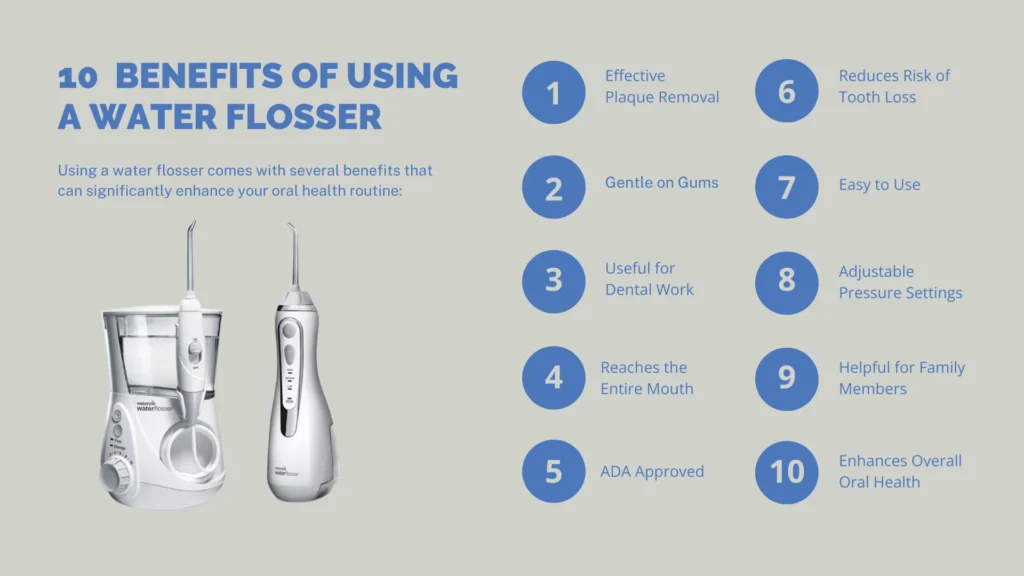
As we strive for optimal oral hygiene, it’s essential to understand the role of dental waterpiks in our daily routine. Also known as water flossers or irrigators, these devices have been gaining popularity in recent years due to their effectiveness in removing plaque and food particles from between teeth. However, like any tool, they require proper use and maintenance to avoid potential risks.
What is a Dental Waterpik?
A dental waterpik is an oral hygiene device that uses a pressurized stream of water to clean between teeth and below the gumline. Unlike traditional floss or interdental brushes, which can be difficult to maneuver, especially for those with orthodontic appliances or fixed prosthetics, a waterpik offers a more efficient and effective way to maintain good oral health.
Benefits of Using a Dental Waterpik
- Improved Plaque Removal: The powerful stream of water helps dislodge food particles and plaque from between teeth and below the gumline, reducing the risk of gingivitis and periodontal disease.
- Increased Efficiency: Waterpiks are particularly useful for individuals with orthodontic appliances or fixed prosthetics, as they can reach areas inaccessible to traditional floss or interdental brushes.
- Reduced Gingivitis and Periodontal Disease: Regular use of a dental waterpik has been shown to reduce inflammation and improve overall oral health.
Risks Associated with Using a Dental Waterpik
- Gingival Trauma: If used improperly or at high pressure, a dental waterpik can cause bleeding, pain, and swelling in the gums.
- Dental Erosion: The high-pressure stream of water can erode tooth enamel if not used with caution.
- Overuse: Misusing a waterpik can lead to over-pulsation, causing discomfort, anxiety, or even dental problems.
Best Practices for Using a Dental Waterpik
- Regular Maintenance: Regularly clean and disinfect the device according to manufacturer instructions.
- Proper Technique: Hold the device at an angle of about 45 degrees and use gentle pressure to avoid damaging gums or teeth.
- Start Slowly: Begin with low pressure settings and gradually increase as needed.
Choosing the Right Dental Waterpik
When selecting a dental waterpik, consider the following factors:
- Pressure Settings: Look for devices with adjustable pressure settings to suit your comfort level and oral health needs.
- Flow Rate: Choose a device with a suitable flow rate (measured in mL/min) to ensure effective cleaning without over-pulsation.
- Noise Level: Select a waterpik that is quiet enough not to disturb others or cause discomfort.
Additional Tips for Optimal Use
- Use a Replacement Tip Regularly: Replace tips every 3-6 months or as recommended by the manufacturer to ensure optimal performance and prevent bacterial buildup.
- Store the Waterpik Properly: Keep the device clean, dry, and stored in a protective case when not in use.
Conclusion
In conclusion, a dental waterpik can be a valuable addition to your oral hygiene routine when used correctly. By following proper technique and best practices, you can enjoy the benefits of improved plaque removal, increased efficiency, and reduced gingivitis and periodontal disease while minimizing potential risks.
Frequently Asked Questions (FAQs)
-
What is the ideal pressure setting for a dental waterpik?
- The ideal pressure setting depends on individual needs and comfort levels. Start with low settings (30-40 PSI) and gradually increase as needed.
-
How often should I use a dental waterpik?
-
Use your dental waterpik at least twice a day, preferably in the morning after brushing and flossing, to maintain optimal oral hygiene.
-
Can I share my dental waterpik with family members or friends?
-
No, it’s recommended to use your own dental waterpik to avoid cross-contamination of bacteria and germs.
Additional Tips and Resources
- Consult your dentist for personalized recommendations on using a dental waterpik.
- Explore other oral hygiene options, such as electric toothbrushes or interdental brushes, to find the best fit for your needs.
- Visit reputable websites and forums for dental care professionals and enthusiasts to stay updated on the latest research and best practices.
By being informed about the benefits and risks associated with using a dental waterpik, you can make an educated decision about incorporating this device into your oral hygiene routine.


