
Understanding the Importance of Interdental Floss
When it comes to maintaining good oral hygiene, interdental floss is an essential tool that can help remove food particles and plaque from between our teeth. However, using it correctly is crucial to avoid damaging our gums or even causing more harm than good. In this article, we’ll explore the benefits of using interdental floss, how to use it effectively, and some alternatives to consider.
The Benefits of Interdental Floss
Interdental floss is a great way to remove food particles and plaque from between our teeth, especially in areas that are difficult to reach with a toothbrush. It can also help prevent gum disease by removing the bacteria that can cause inflammation and damage to our gums.
However, it’s essential to use interdental floss correctly to avoid causing more harm than good. Using too much force or pulling the floss back and forth can damage our gums, while using it incorrectly can even push plaque and bacteria further into our teeth.
Choosing the Right Interdental Floss
There are many types of interdental floss available, including:
- Unflavored and uncolored: These are great for people who have sensitive teeth or gums.
- Gum-specific: These are designed to be gentler on our gums than regular floss.
- Waxed: These are coated with wax to help them slide more easily between our teeth.
When choosing an interdental floss, it’s essential to consider your individual needs and preferences. Some people prefer the taste of flavored floss, while others prefer unflavored or gum-specific options.
How to Use Interdental Floss Effectively
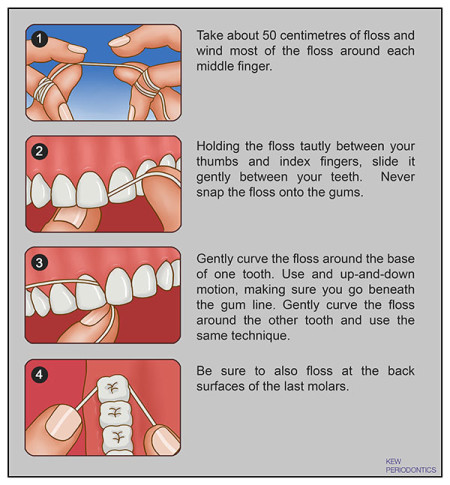
Using interdental floss correctly requires a few simple steps:
- Cut the floss: Cut a piece of floss that’s about 18 inches long.
- Wrap the floss: Wrap the floss around your middle finger, leaving about an inch or two at each end.
- Guide the floss: Guide the floss between your teeth with a zig-zag motion.
- Slide the floss: Slide the floss up and down against the side of each tooth to remove any food particles or plaque.
Tips for Effective Flossing
Here are some additional tips to keep in mind when using interdental floss:
- Always use a new piece of floss for each tooth.
- Use gentle, smooth motions when flossing.
- Don’t snap the floss against your teeth.
- Rinse your mouth with water after flossing.
Alternatives to Interdental Floss
While interdental floss is an essential tool for maintaining good oral hygiene, there are some alternatives you can consider:
- Electric toothbrushes: These can be more effective at removing plaque and bacteria than traditional toothbrushes.
- Interdental brushes: These are small, round brushes that can be used to clean between our teeth.
- Mouthwash: Some mouthwashes contain antibacterial agents that can help kill bacteria in our mouths.
Flossing Technique Variations
There are several flossing technique variations you can try:
- The “Z” method: This involves wrapping the floss around your middle finger and then using a zig-zag motion to guide the floss between your teeth.
- The “C” method: This involves cutting the floss into a piece that’s about 18 inches long and then using a circular motion to guide it between your teeth.
- The “S” method: This involves using a straight, back-and-forth motion to remove any plaque or bacteria from between your teeth.
Preventing Interdental Floss Damage
Here are some tips for preventing interdental floss damage:
- Always handle the floss gently and avoid pulling it too tightly.
- Use a new piece of floss for each tooth to prevent cross-contamination.
- Avoid using interdental floss on children who don’t understand how to use it correctly.
Maintaining Your Oral Hygiene Routine
Maintaining your oral hygiene routine is crucial for preventing gum disease and maintaining good overall health. Here are some tips for incorporating interdental floss into your daily routine:
- Brush your teeth at least twice a day with a fluoride toothpaste.
- Use an electric toothbrush to clean between your teeth.
- Rinse your mouth with water after eating or drinking acidic foods and beverages.
Conclusion
Using interdental floss correctly is essential for maintaining good oral hygiene. By choosing the right type of floss, using it effectively, and incorporating it into your daily routine, you can prevent gum disease and maintain good overall health. If you’re new to using interdental floss, start with a gentle approach and gradually increase your frequency as needed.
Frequently Asked Questions (FAQs)
Here are some additional questions and answers related to the topic of interdental floss:
Q: How often should I use interdental floss?
A: It’s recommended to use interdental floss at least once a day, preferably before brushing your teeth.
Q: Can I use regular toothpaste with my interdental floss?
A: No, it’s best to use a fluoride-free mouthwash or a non-alcoholic collagen-based one instead of using the toothpaste itself.
Q: How long should I wrap the floss around my finger?
A: It’s recommended to wrap the floss about an inch and a half (4 cm) around your middle finger, leaving enough space at both ends to thread between your teeth comfortably.
Q: What happens if I accidentally snap the floss against my tooth?
A: If you accidentally snap the floss against your tooth, gently slide it out of your mouth as quickly as possible. Don’t try to force it out or insert anything into the socket that might damage it further.
Q: Can I use interdental floss on children?
A: Yes, but only when they are old enough to understand and follow proper oral hygiene practices. It’s always a good idea to consult with your dentist before introducing new habits to your child’s oral care routine.
Q: How do I clean my interdental floss between uses?
A: Regularly rinse the floss under running water to remove any food particles or debris that might have accumulated during its use.



