
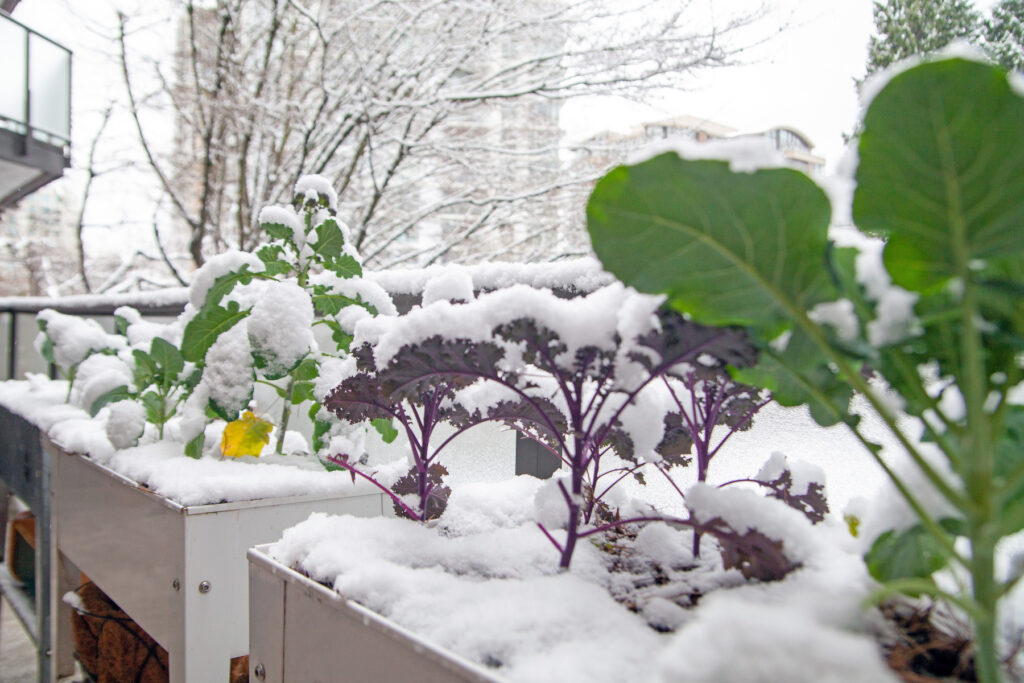
As the winter months approach, many gardeners assume that their gardening activities come to a halt. However, this couldn’t be further from the truth. In fact, winter can be an excellent time to grow a variety of vegetables and flowers in a symbiotic garden, where different plants are carefully chosen to complement each other’s growth patterns.
What is Winter Symbiotic Gardening?
Winter symbiotic gardening is a technique that involves planting multiple crops together in the same bed, taking into account their individual cold tolerance levels. This approach allows gardeners to make the most of the winter months, even when the weather is cold and unforgiving.
Choosing the Right Crops for Your Winter Symbiotic Garden
When selecting plants for your winter symbiotic garden, it’s essential to consider their cold tolerance levels. Some vegetables, like carrots and peas, can tolerate temperatures as low as 5°C, while others, such as broccoli and beans, require a temperature of at least 7-8°C to germinate.
Here are some examples of crops that can be grown together in a winter symbiotic garden:
- Carrots (above 5°C)
- Cabbage (around 10°C)
- Peas (around 5°C)
- Beans (around 7-8°C)
- Broccoli (around 7-8°C)
The Importance of Lunar Phases
In addition to considering the cold tolerance levels of individual plants, it’s also essential to take into account the lunar phases. Different crops respond better to different moon phases, and planting at the right phase can significantly improve yields.
For example:
- In waning moon, plants like carrots, cabbage, celeriac, finocchio, salad, radish, rape, and ravanello grow best.
- In crescent moon, plants like peas and zucchini thrive.
Preparing Your Soil for Winter Symbiotic Gardening
Before planting your winter symbiotic garden, it’s crucial to prepare the soil properly. This includes:
- Consolidating the soil to prevent erosion
- Adding new mulch to protect seeds from cold temperatures
- Mulching paths to retain moisture
Consolidation of the soil can be achieved by adding organic matter like compost or well-rotted manure. New mulch can be applied to protect seeds from frost and provide insulation for the soil.
A Month-by-Month Guide to Winter Symbiotic Gardening
Here’s a breakdown of what you can plant in your winter symbiotic garden by month, taking into account lunar phases and temperature tolerance levels:
December:
- Plant lettuce and radish in protected cultivation under tarps
- Prepare soil consolidation and new mulching
- Mulch paths to retain moisture
This is an ideal time to start preparing the soil for the coming months. The cold weather can be beneficial for seed germination, so it’s essential to plant seeds that are resistant to cold temperatures.
January:
- Sow crescent moon lily, basil, celery, eggplant, melon, pepper, and tomato in protected cultivation
- Sow waning moon cauliflower, broccoli, chicory, onion, rapini, radish, and lettuce in protected cultivation
- Start sowing outside with carrots in waning moon
January is a great time to start sowing seeds that require protection from extreme weather conditions. The crescent moon phase can be beneficial for crops like basil and eggplant.
February:
- Continue sowing in protected cultivation: cauliflower, broccoli, celery, lettuce, melon, pepper, and tomato
- Sow outside with carrots, cabbage, celeriac, finocchio, salad, radish, rape, and ravanello in waning moon
- Start sowing peas and zucchini in crescent moon
February is a crucial month for winter symbiotic gardening. The temperature rises gradually, and full activity begins.
March:
- The temperature rises, and full activity begins
- Continue cultivating under the moon in lily, celery, melon, pepper, and zucchini (see above)
- Sow outside with beets, carrots, cauliflower, broccoli, cabbage, celeriac, finocchio, salad, lettuce, radish, rape, and spinach in waning moon
March is a great time to start sowing seeds that require more direct sunlight. The waning moon phase can be beneficial for crops like beets and spinach.
Tips and Tricks for a Successful Winter Symbiotic Garden
Here are some additional tips to keep in mind when creating your winter symbiotic garden:
- Avoid planting crops with unfavorable associations, such as cabbage-onion or celery-pepper.
- Keep an eye on temperature fluctuations and adjust planting schedules accordingly.
- Make sure to provide adequate moisture and nutrients for all plants.
Common Mistakes to Avoid
When creating a winter symbiotic garden, there are several common mistakes that can be detrimental to the success of your crop. Here are some tips to avoid:
- Planting crops with conflicting growth patterns
- Not considering lunar phases and temperature tolerance levels
- Not providing adequate moisture and nutrients for all plants
Conclusion:
Winter symbiotic gardening is a rewarding and challenging technique that requires careful planning and attention to detail. By choosing the right crops, taking into account lunar phases and cold tolerance levels, you can create a thriving winter garden that produces delicious fruits and vegetables.
Stay tuned for more articles on sustainable gardening practices!
Frequently Asked Questions
- What is the ideal temperature range for growing vegetables in a winter symbiotic garden?
Ideal temperatures vary depending on the crop, but generally fall between 5-15°C. - How often should I water my plants in a winter symbiotic garden?
Watering frequency depends on weather conditions, soil moisture, and plant type. Aim to keep the soil consistently moist but not waterlogged. - Can I transplant seedlings from indoor containers to outdoor beds in winter?
Yes, but it’s essential to wait until the soil has warmed up and the risk of frost has passed. - What are some examples of crops that can be grown together in a winter symbiotic garden?
Examples include carrots, cabbage, peas, beans, broccoli, cauliflower, lettuce, celery, parsley, and radish. - How do I prevent pests and diseases from affecting my plants in a winter symbiotic garden?
Regular monitoring, crop rotation, and organic pest control methods can help minimize the risk of pests and diseases. - What is the importance of lunar phases in winter symbiotic gardening?
Different crops respond better to different moon phases, which can significantly impact yields and growth patterns. - Can I grow fruiting plants like tomatoes and peppers in a winter symbiotic garden?
Yes, but it’s essential to provide them with adequate support, pruning, and protection from extreme weather conditions. - How do I harvest my crops from a winter symbiotic garden?
Harvest crops at the optimal time for each plant type, taking into account their growth patterns and maturity dates.
By following these guidelines and tips, you can create a thriving winter symbiotic garden that produces delicious fruits and vegetables throughout the cold season.


