
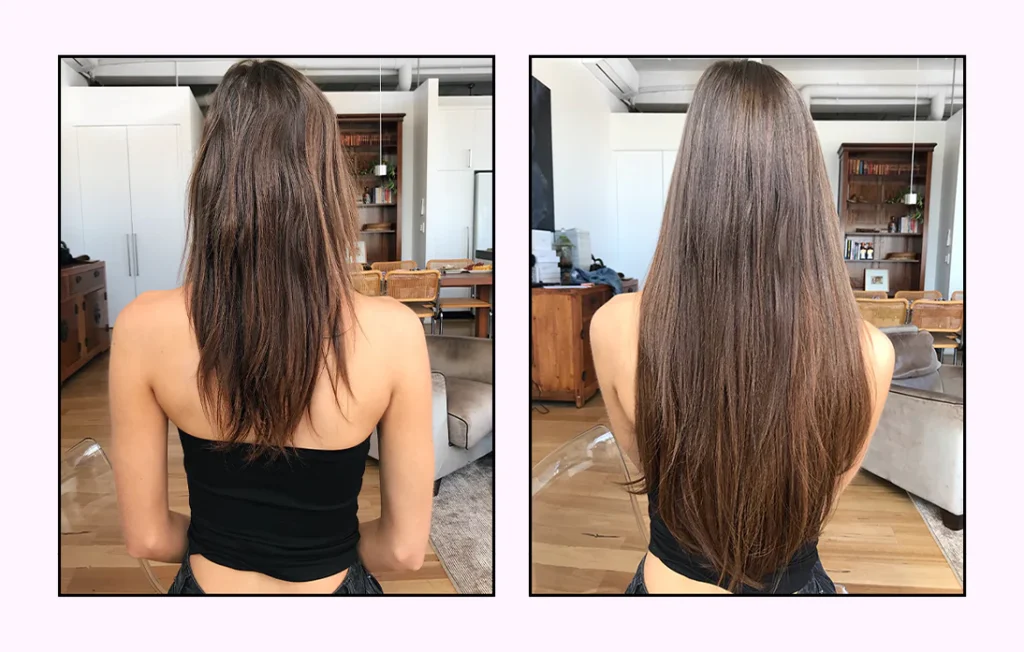
Thinning fine hair is a common concern for many people. Thin, fine hair can appear flat and lifeless, making it difficult to manage and style. However, there are several options available to thicken fine hair and make it look more voluminous.
One of the most common solutions is using specific hair care products. There are many shampoos, conditioners, and treatments that can help create volume and thickness in fine hair. These products often contain ingredients such as proteins, keratin, and biotin, which can help strengthen hair and make it thicker.
In addition to using specific hair care products, there are also some styling techniques that can help add volume to fine hair. For example, using round brushes and a blow dryer with a diffuser can create volume and movement in the hair. Using styling products such as mousse, gel, or serum can also add texture and definition to fine hair.
Content
-
Causes of Fine Hair
1.1 Genetic Factors
1.2 Aging
1.3 Nutritional Deficiencies
1.4 Stress and Scalp Health -
Dietary Solutions for Strengthening Hair
2.1 Balanced Diet
2.2 Hair Supplements -
Topical Treatments and Specific Products
3.1 Volumizing Shampoos
3.2 Conditioners and Masks
3.3 Serums and Essential Oils -
Styling Techniques and Daily Care
4.1 Drying Methods
4.2 Low-Calorie Styling Tools
4.3 Avoiding Damaging Treatments -
Professional Options
5.1 Hair Thickening Treatments
5.2 Advanced Therapies
Causes of Fine Hair
Fine hair is a common problem for many people, and there are several causes that can contribute to it. Some of the main causes include genetic factors, aging, nutritional deficiencies, stress, and scalp health.
Genetic factors play a significant role in fine hair. If your parents or other family members have thinning hair, you may be more likely to experience it as well. As we age, our hair can become thinner and less dense due to a decrease in the production of keratin, a protein that makes up most of our hair.
Nutritional deficiencies can also contribute to fine hair. A diet lacking essential nutrients such as iron, zinc, biotin, and omega-3 fatty acids can lead to weak and brittle hair.
Stress and scalp health are also important factors in fine hair. Stress can cause hair loss and thinning, while an unhealthy scalp can lead to irritation and inflammation.
In addition to these causes, other factors such as hormonal imbalances, environmental toxins, and certain medical conditions can also contribute to fine hair. Understanding the underlying causes of fine hair is crucial for finding effective solutions.
Dietary Solutions for Strengthening Hair
A balanced diet is essential for strengthening hair. Eating a variety of nutrient-rich foods can help promote healthy hair growth. Some of the best foods for strengthening hair include:
- Protein-rich foods such as chicken, fish, and eggs
- Vitamin C-rich foods like citrus fruits and leafy greens
- Omega-3 rich foods like salmon and walnuts
- Iron-rich foods like spinach and beans
- Biotin-rich foods like sweet potatoes and almonds
In addition to eating a balanced diet, taking supplements can also help strengthen hair. Some popular hair supplements include:
- Biotin: helps promote healthy hair growth and strengthen hair follicles
- Vitamin B: helps convert food into energy and supports the health of your scalp
- Keratin: helps repair and strengthen damaged hair
Topical Treatments and Specific Products
There are many topical treatments and specific products available that can help thicken fine hair. Shampoos containing keratin, biotin, or proteins can help strengthen hair and create volume.
Conditioners and masks can also be beneficial for fine hair. Using a conditioner that contains ingredients such as argan oil or coconut oil can help nourish the hair and make it look healthier.
Styling Techniques and Daily Care
There are several styling techniques that can help add volume to fine hair. Using round brushes and a blow dryer with a diffuser can create volume and movement in the hair. Using styling products such as mousse, gel, or serum can also add texture and definition to fine hair.
Drying methods can also impact the appearance of fine hair. Air-drying is often recommended for fine hair as it causes less damage than using heat styling tools.
Low-Calorie Styling Tools
Using low-calorie styling tools can help reduce damage to fine hair. Some options include:
- Ionic blow dryers: use negative ions to dry hair faster and with less damage
- Ceramic flat irons: use ceramic plates to reduce frizz and add shine to hair
- Bristle brushes: gently detangle hair without causing breakage
Avoiding Damaging Treatments
Some treatments can cause more damage than others, especially for fine hair. Avoid using treatments that contain harsh chemicals or heat, such as:
- Hair dye: use natural dyes or semi-permanent dyes to avoid damaging your hair
- Heat styling tools: use lower temperatures and shorter times when using heat styling tools
- Chemical treatments: only use chemical treatments if necessary, and follow instructions carefully
Professional Options
If you’re struggling with fine hair, there are several professional options available that can help. Hair thickening treatments such as mesotherapy, carbossiterapia, and PRP therapy can help stimulate hair growth and increase the density of your hair.
Advanced therapies such as trichology treatments and laser therapy can also be beneficial for fine hair. These treatments can help promote healthy hair growth and reduce the appearance of fine hair.
In addition to these options, some salons offer specialized treatments specifically designed for fine hair, such as:
- Hair thickening masks: use ingredients like keratin and biotin to strengthen hair
- Hair growth stimulators: use laser therapy or low-level laser therapy to stimulate hair growth
- Scalp treatments: treat the scalp to reduce irritation and inflammation
In conclusion, there are many options available to thicken fine hair, including dietary solutions, topical treatments, styling techniques, and professional options. Understanding the underlying causes of fine hair is crucial for finding effective solutions.


