
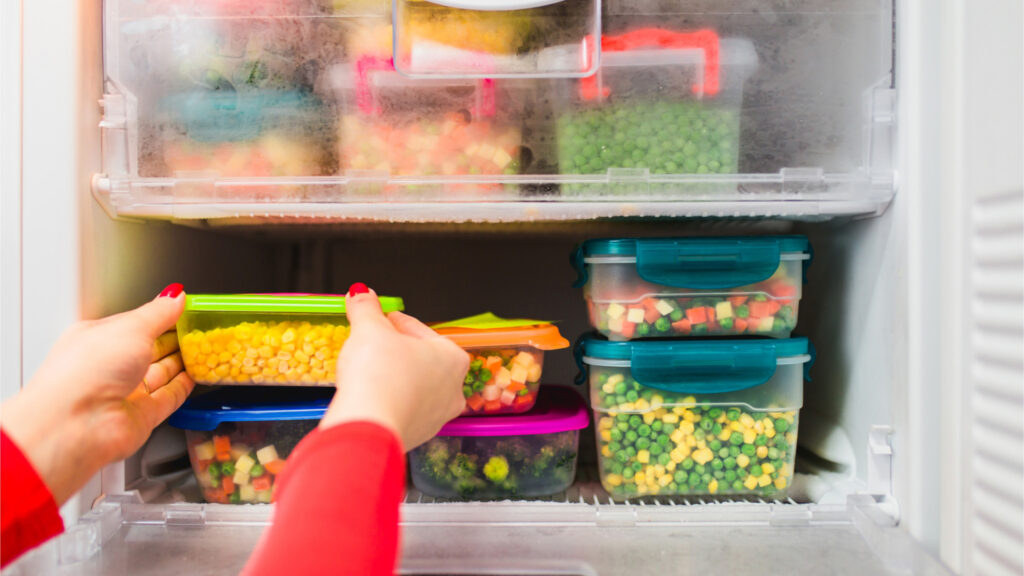
As a smart and conscious consumer, you want to make sure that your frozen foods stay fresh and nutritious. However, did you know that there are specific guidelines for conserving frozen foods? In this article, we’ll explore the dos and don’ts of freezer management and provide you with expert tips on how to keep your frozen meals at their best.
The Importance of Proper Storage
When purchasing frozen foods, it’s crucial to check if the “chain of cold” has been maintained. This means ensuring that the product hasn’t undergone partial thawing before being refrozen. To verify this, simply inspect the packaging: a soft, deformed, and wrinkled package indicates that the product has already partially thawed and cannot be re-frozen.
When storing frozen foods, it’s essential to follow proper guidelines to maintain their quality and safety. This includes using the correct storage containers, keeping them away from strong-smelling items like onions and fish, and labeling them with their contents and date of freezing. Additionally, always check the packaging for any visible signs of damage or wear before purchasing frozen foods.
Understanding the Difference Between Freezing and Congealing
Freezing and congealing are two distinct processes. Freezing is a simple process of lowering the temperature to a certain point, whereas congealing refers to the actual freezing process. In a domestic freezer, congelation occurs at standard temperatures, which can’t completely stop enzyme activity that leads to food deterioration.
In the context of frozen foods, congelation is particularly important because it affects the texture and consistency of the final product. For example, frozen fruits and vegetables will typically become softer and more palatable after thawing, while meat products may retain their texture better if they are frozen at extremely low temperatures (around -10°F (-23°C)).
Freezer Temperature and Maintenance
It’s essential to be aware of your freezer’s temperature settings. If it’s higher than you think, the frozen foods might not be stored at optimal levels. Most home freezers typically maintain a temperature range between 0°F (-18°C) and -10°F (-23°C). However, some commercial freezers may require more precise temperature control.
To ensure that your freezer is working efficiently, check its temperature gauge regularly. This can help you identify any issues with ice buildup or overfilling the freezer compartments, both of which can compromise food quality and increase energy consumption.
Reducing Food Waste with Technology
If you’re tech-savvy, consider using apps to streamline your grocery shopping and meal planning. FrigOK is a great example of an app that helps you track expiration dates and monitor the freshness of your frozen foods. By taking note of expiration dates and keeping an eye on their status via a simple dashboard, you can minimize food waste.
Other apps like Yummly or Mealime offer features such as meal planning, grocery lists, and recipe suggestions to help you make the most of your ingredients and reduce food waste. Additionally, apps like AnyList or Grocery IQ allow users to track expiration dates, monitor shopping carts, and receive reminders for planned meals.
Tips for Maintaining a Well-Organized Freezer
To maximize the efficiency of your freezer, follow these tips:
- Keep frequently used items at eye level: This will make it easier to access commonly used frozen foods without having to dig through less accessible shelves or bins.
- Label and categorize contents: Labeling each item with its contents and date of freezing can help you keep track of what’s inside the freezer and when it was stored.
- Store items by type and texture: Group similar items together (e.g., meats, vegetables, fruits) to maintain optimal air circulation and prevent damage from moisture or cold spots.
- Clean up spills immediately: Spills can quickly accumulate ice and cause temperature fluctuations in your freezer, leading to reduced efficiency and potentially affecting food quality.
Conclusion
By following these expert tips, you’ll be well on your way to preserving your frozen foods at their best. Remember to maintain optimal freezer temperatures, inspect packaging for signs of partial thawing, and stay informed about potential issues like ice buildup or overfilling. With the right knowledge and tools, you can enjoy perfectly preserved frozen meals all year round.
Frequently Asked Questions (FAQs)
- What is the ideal temperature for a home freezer?
The optimal temperature for a home freezer is between 0°F (-18°C) and -10°F (-23°C). - Can I re-freeze food after it’s been partially thawed?
No, once frozen foods have undergone partial thawing, they cannot be refrozen. - How often should I clean my freezer?
Clean your freezer every 1-2 months to prevent the buildup of ice and maintain optimal temperatures. - Can I use a standard refrigerator as a freezer?
No, standard refrigerators are not designed for long-term freezing, so it’s best to use a dedicated freezer or follow proper storage techniques. - What is congelation, and why is it important?
Congelation refers to the actual freezing process, which can help prevent enzyme activity that leads to food deterioration. - How can I reduce energy consumption when using my freezer?
Leave enough space between items to allow for proper airflow, avoid overfilling, and ensure your freezer is set at the optimal temperature. - What is FrigOK, and how does it work?
FrigOK is an app that allows users to track expiration dates and monitor the freshness of their frozen foods through a simple dashboard with green, yellow, or red indicators for scadenza (expiration date). - How can I minimize food waste by using technology?
Use apps like FrigOK to keep track of expiration dates, plan meals around available ingredients, and monitor your freezer’s contents to avoid overbuying or letting perishables go bad. - Can frozen foods be stored for extended periods without freezing?
No, once frozen foods are frozen, they cannot be safely stored at room temperature or in a refrigerator for an extended period. - What is the difference between congelation and freezing?
Congelation refers to the actual freezing process, which requires extremely low temperatures, whereas standard freezing processes can’t completely stop enzyme activity that leads to food deterioration.
By adopting these expert tips and understanding the importance of proper freezer management, you’ll be able to enjoy perfectly preserved frozen foods all year round.


