
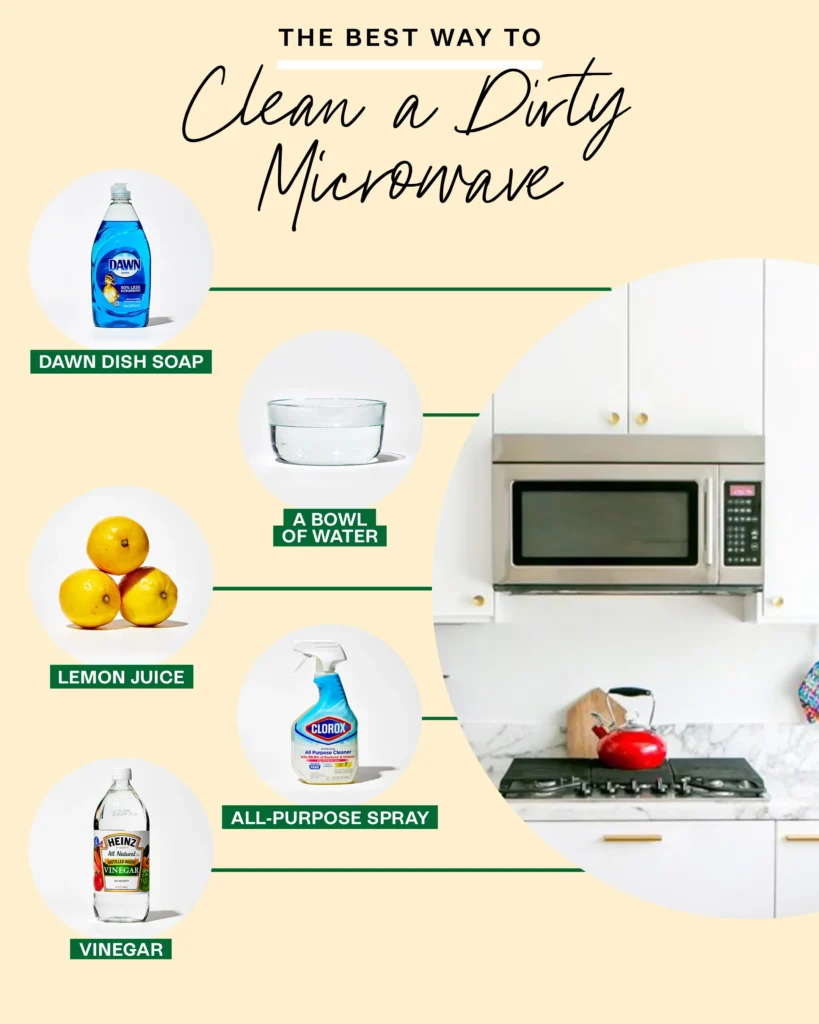
The microwave is a staple in every kitchen, making quick work of cooking and reheating food. Whether you’re dealing with frozen meals or leftovers, this appliance has revolutionized mealtime efficiency. However, to ensure optimal performance, it’s essential to keep your microwave clean. In this article, we’ll explore the best natural methods for cleaning your microwave, using easily accessible ingredients at home.
Why Clean Your Microwave?
Before diving into the cleaning process, let’s discuss why maintaining a clean microwave is crucial. Food residue and splatters can cause problems, including:
- Uneven cooking: When food residue builds up on the walls of the microwave, it can create hot spots that affect the evenness of cooking.
- Burning or charring of food: Grease and grime can accumulate in the microwave, leading to burnt or charred food when you try to cook something.
- Unpleasant odors: A dirty microwave can harbor bacteria and other microorganisms that produce unpleasant smells.
By regularly cleaning your microwave, you’ll not only ensure better cooking results but also prolong the appliance’s lifespan.
Natural Cleaning Agents
Here are three natural ingredients that make great cleaning agents for your microwave:
- Acetic Acid (Vinegar): Vinegar is a versatile and eco-friendly cleaner that can dissolve mineral deposits, break down food residue, and deodorize surfaces.
- Lemon Juice: The acidity in lemons makes them an effective natural cleaner. It’s also a great alternative to harsh chemical-based cleaners.
- Baking Soda (Sodium Bicarbonate): This odor-absorbing powder is excellent for neutralizing unpleasant smells and cleaning tough stains.
Cleaning Methods
Now that we’ve covered the necessary ingredients, let’s explore the steps involved in cleaning your microwave using these natural agents:
Using Vinegar
- Mix 1 cup of water with 200ml of white vinegar in a microwave-safe container.
- Place the container in the microwave and heat on high for 2-3 minutes to create steam.
- Let the mixture stand for 5 minutes, allowing it to penetrate any tough stains or residue.
- Remove the container from the microwave and use a soft cloth to wipe down the interior surfaces.
Using Lemon Juice
- Cut a lemon in half and place it in a microwave-safe container with about 100ml of water.
- Microwave on high for 1-2 minutes, or until the mixture has reduced slightly and formed a syrupy consistency.
- Remove the container from the microwave and use a soft cloth to wipe down the interior surfaces.
Using Baking Soda
- Mix 1 tablespoon of baking soda with 2 tablespoons of water to create a paste.
- Apply the paste to any stubborn stains or residue using a soft brush or cloth.
- Let it sit for about 30 minutes to allow the baking soda to work its magic.
- Wipe down the interior surfaces with a damp cloth.
Additional Tips
Before attempting to clean your microwave, make sure to:
- Check your user manual for any specific cleaning recommendations
- Avoid using abrasive materials or harsh chemicals that can damage the appliance’s surface
- Clean up spills immediately to prevent food residue from hardening and becoming more difficult to remove
Conclusion
Cleaning your microwave may not be the most glamorous task, but with these natural methods and ingredients, you’ll be able to tackle any mess and maintain a hygienic cooking environment. Remember to always follow safety guidelines when cleaning your appliance and take care of yourself while doing so.
Frequently Asked Questions (FAQs)
- What are some common mistakes people make when cleaning their microwaves?
- Using abrasive materials or harsh chemicals that can damage the appliance’s surface
- Not checking user manuals for specific cleaning recommendations
- Leaving food residue and splatters unattended, leading to unpleasant odors and uneven cooking
- How often should I clean my microwave?
- At least once a week to maintain optimal performance and hygiene
- What’s the best way to remove stubborn stains or residue from my microwave?
- Use a natural cleaning agent like baking soda, vinegar, or lemon juice, depending on the type of stain
- Can I use metal containers in my microwave for cleaning purposes?
- No, it’s not recommended as they can cause sparks and potentially damage the appliance
- How do I prevent food residue from hardening and becoming more difficult to remove?
- Clean up spills immediately and wipe down surfaces with a damp cloth after each use
By following these simple steps and tips, you’ll be able to keep your microwave clean, efficient, and in top condition for years to come.


