
Introduction
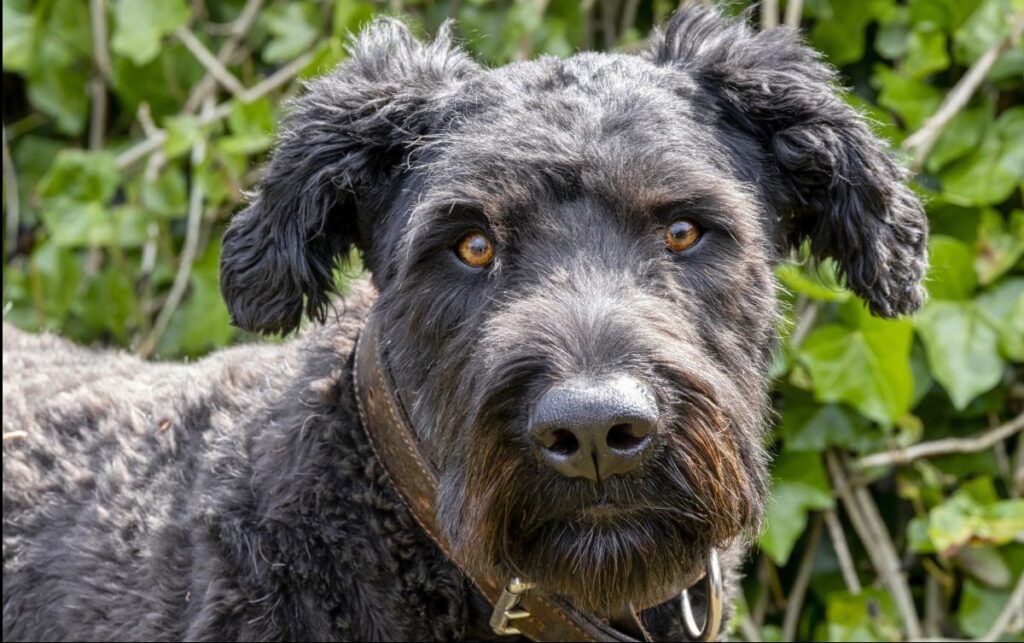
Meet the Bouvier des Flandres, a majestic breed of dog that has captured the hearts of many with its intelligence, loyalty, and striking appearance. Originating from the Flanders region in Belgium and France, this canine companion is recognized by the FCI as a distinct breed, known for its versatility and adaptability.
Origins
While it’s difficult to pinpoint an exact origin date, historians believe that the Bouvier des Flandres has been living in the Flanders region for centuries. The first official records of this breed date back to 1937. One theory suggests that the Bouvier des Flandres is a result of cross-breeding between the Spanish Alano and the pastore della Linguadoca, two breeds brought to the region by Spanish conquerors. Other theories propose that the breed was influenced by the pastore del Brie and the pastore di Piccardia.
History as a Working Dog
The Bouvier des Flandres has a rich history as a working dog, particularly in law enforcement and military contexts. In the late 19th century, Belgian police forces began utilizing these dogs for patrols, while during World War I, they served alongside soldiers as a form of auxiliary support.
Although no longer used for official duties due to specific grooming requirements, the Bouvier des Flandres remains a popular breed among dog enthusiasts and families alike. Its growing popularity in Europe and beyond is a testament to its unique characteristics and benefits.
Physical Characteristics
The Bouvier des Flandres boasts a sturdy build, with males reaching 62-68 cm in height and weighing between 35-40 kg. Females are slightly smaller. Despite its substantial size, the breed is well-proportioned and agile, making it an excellent companion for outdoor activities.
The dog’s coat is typically golden or gray, often featuring distinctive tanning patterns. While black-coated individuals do exist, they are not as common. The thick, rough fur reaches approximately 6 cm in length and provides essential protection against cold temperatures.
Personality and Temperament
Intelligent, obedient, and balanced, the Bouvier des Flandres is an exceptional breed for families with children or working professionals seeking a loyal companion. While naturally cautious around strangers, this dog quickly forms strong bonds with its family, offering unparalleled devotion to its owners.
In terms of adaptability, the Bouvier des Flandres excels as both an indoor and outdoor pet. This versatility allows it to excel in various roles, including guarding, searching for people, or participating in agility competitions.
Grooming Needs
Due to its thick coat, proper grooming is crucial to prevent matting and maintain overall health. The breed’s fur should be brushed regularly with a sturdy brush, paying special attention to the undercoat to remove dead hair. Bathing should be infrequent, as excessive moisture can lead to skin issues.
Breeding and Availability
Currently, there are only four registered breeding centers in Italy for this rare breed. Following significant growth since 2004, Bouvier des Flandres have become more accessible, particularly among those seeking a dog with high intelligence and family-oriented temperament.
Price Range
Due to the limited supply of purebred Bouvier des Flandres, their price varies significantly depending on factors such as breeder reputation, bloodline quality, or geographic location. Generally, prices can range from €500-€1000 for puppies in an established breeding program, with online sales potentially featuring higher prices.
Conclusion
For those searching for a unique canine companion that combines intelligence, loyalty, and striking appearance, the Bouvier des Flandres is an excellent choice. With proper care and attention to grooming needs, this breed can thrive as both a family pet and working dog. Its versatility and dedication make it an ideal companion for various lifestyles.
Frequently Asked Questions
- What is the average lifespan of a Bouvier des Flandres?
Bouvier des Flandres typically live between 10-12 years, with some individuals reaching up to 14 years. - How often should I brush my Bouvier des Flandres’ coat?
Regular brushing (at least once or twice a week) is crucial to prevent matting and maintain overall health. - What are the grooming needs for this breed?
Due to its thick coat, proper grooming is necessary to prevent skin issues. Brushing should be performed regularly with a sturdy brush, focusing on the undercoat to remove dead hair. - Is the Bouvier des Flandres suitable for apartment living?
While adaptable to indoor life, Bouvier des Flandres do require regular exercise and outdoor activities due to their high energy levels. - Can I train my Bouvier des Flandres?
Yes, this breed is highly intelligent and trainable with positive reinforcement techniques and consistent guidance. - What health issues should I watch out for in this breed?
Common health concerns include hip dysplasia, elbow dysplasia, and eye problems such as cataracts and progressive retinal atrophy. - Are Bouvier des Flandres suitable for families with young children?
Due to their gentle nature and high intelligence, Bouvier des Flandres can make excellent family pets, provided proper supervision and socialization are given. - Can I train my Bouvier des Flandres as a guard dog or police dog?
Yes, this breed has historically been utilized for such purposes due to its natural guarding instincts, intelligence, and athleticism.
Health Considerations
As with any breed, Bouvier des Flandres can be prone to certain health issues. Regular veterinary check-ups and genetic testing are essential to identify potential problems early on. Some common health concerns include:
- Hip dysplasia: A condition where the hip joint doesn’t form properly, leading to arthritis and mobility issues.
- Elbow dysplasia: Similar to hip dysplasia, but affecting the elbow joint.
- Eye problems: Cataracts, progressive retinal atrophy, and other eye conditions can affect vision and overall health.
Training and Socialization
Bouvier des Flandres are highly intelligent and trainable. Positive reinforcement techniques, such as clicker training and reward-based exercises, work well for this breed. Early socialization is crucial to help them develop good behavior around strangers, children, and other animals.
Exercise Needs
Due to their high energy levels, Bouvier des Flandres require regular exercise to maintain physical and mental health. Daily walks, playtime in the park, or engaging in agility activities are essential for this breed. Regular exercise also helps prevent obesity and other related health issues.
Nutrition and Diet
Bouvier des Flandres have specific dietary needs due to their size and energy requirements. A balanced diet rich in protein and moderate in fat is necessary to maintain overall health. Feed a high-quality dog food specifically formulated for large breeds, and avoid overfeeding to prevent obesity.
Hygiene and Grooming Tips
To keep your Bouvier des Flandres clean and healthy:
- Regular brushing: Remove dead hair and distribute skin oils.
- Bathing: Limit frequency to once every 6-8 weeks or as needed.
- Nail trimming: Trim nails regularly to prevent overgrowth and cracking.
- Ear cleaning: Clean ears weekly to prevent wax buildup and infections.
Conclusion
The Bouvier des Flandres is a majestic breed that offers the perfect combination of intelligence, loyalty, and striking appearance. With proper care, attention to grooming needs, and regular exercise, this breed can thrive as both a family pet and working dog. Its versatility and dedication make it an ideal companion for various lifestyles.
Final Tips
- Be patient when introducing your Bouvier des Flandres to new environments or people.
- Provide sufficient space for your dog to move around and engage in physical activities.
- Engage in regular grooming sessions to prevent matting and skin issues.
- Consider enrolling your Bouvier des Flandres in obedience training or agility classes.
By following these tips and providing the necessary care and attention, you can help your Bouvier des Flandres become a beloved companion for years to come.


