
In recent years, duck eggs have gained popularity among foodies and health enthusiasts alike. But what makes them so special? In this article, we’ll delve into the world of duck eggs, exploring their nutritional properties, usage in cooking, and even the process of cultivating them.
What are Duck Eggs?
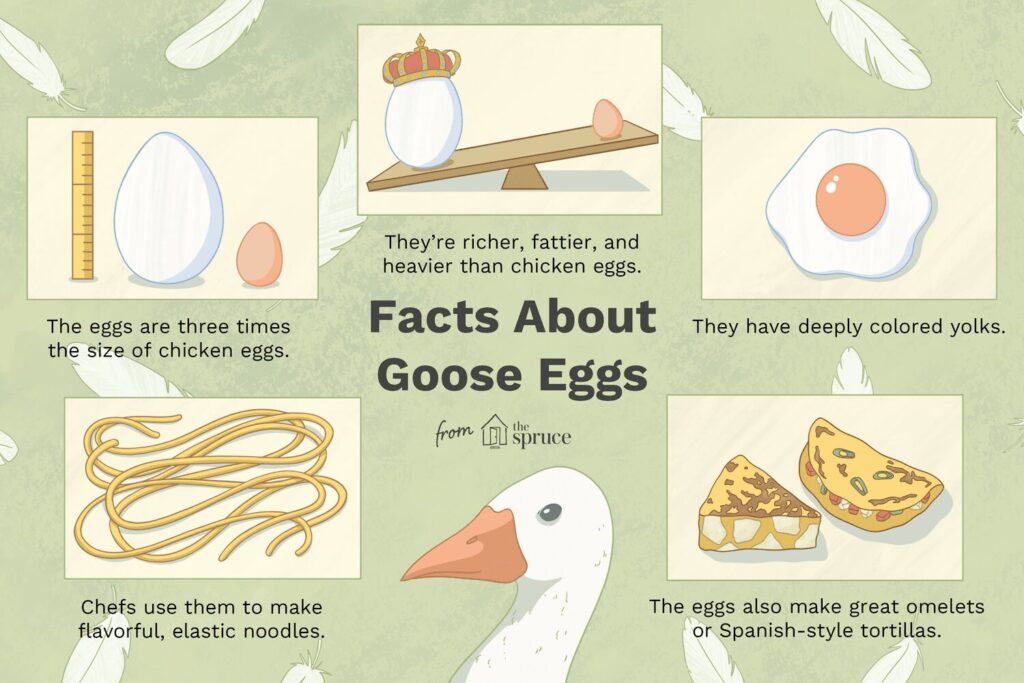
Duck eggs, also known as uova di oca, are a type of egg laid by ducks. While they may look similar to chicken eggs, they have some key differences. In terms of size, duck eggs are roughly twice as large as chicken eggs. The shell is also thicker and more durable, making it harder to crack.
History of Duck Eggs
Duck eggs have been consumed for centuries in many parts of the world, particularly in Asia where ducks were widely raised for their meat and eggs. In Europe, duck eggs were a staple ingredient in many traditional dishes, especially during times of scarcity when chicken eggs were scarce. Today, duck eggs are enjoyed all over the world, not only for their unique flavor but also for their nutritional benefits.
Nutritional Properties
Duck eggs have several unique nutritional properties that set them apart from their chicken counterparts. Here are some of the most notable:
- High in Vitamin B12: Duck eggs contain significantly higher levels of vitamin B12 than chicken eggs.
- Rich in Protein: With approximately 19.5 grams of protein per egg, duck eggs are an excellent choice for those looking to increase their protein intake.
- Good Source of Omega-3 Fatty Acids: Duck eggs are a good source of omega-3 fatty acids, which can help reduce inflammation and promote heart health.
Benefits of Eating Duck Eggs
Duck eggs offer several benefits over traditional chicken eggs. Here are some of the most significant advantages:
- Higher in Omega-3 Fatty Acids: Duck eggs contain more omega-3 fatty acids than chicken eggs, which can help reduce inflammation and promote heart health.
- More Protein: With approximately 19.5 grams of protein per egg, duck eggs are an excellent choice for those looking to increase their protein intake.
- Richer in Vitamins: Duck eggs contain more vitamins B12 and E than chicken eggs, making them a richer source of these essential nutrients.
Culinary Uses of Duck Eggs
Duck eggs can be used in a variety of dishes, from savory to sweet. Here are some popular ways to use duck eggs:
- Frittatas: Duck eggs make a great addition to frittatas, adding protein and richness to this classic Italian dish.
- Custards and Puddings: The high fat content of duck eggs makes them ideal for rich desserts like custards and puddings.
- Baked Goods: Duck eggs can be used in place of chicken eggs in baked goods like cakes, cookies, and muffins.
Tips for Cooking with Duck Eggs
Here are some tips to help you get the most out of your duck eggs:
- Use Fresh Eggs: Use fresh eggs for the best flavor and texture.
- Cook at High Heat: Cook duck eggs at high heat to ensure they’re fully cooked.
- Don’t Overcook: Don’t overcook duck eggs, as this can make them dry and rubbery.
Cultivating Ducks
If you’re interested in raising ducks for their eggs, it’s easier than you think. Here are some key things to consider:
- Space Requirements: Ducks require a significant amount of space to roam and exercise. Aim for at least 10 square feet per bird.
- Diet: Ducks are omnivores and can thrive on a diet of commercial duck feed, fruits, and vegetables.
- Health Checks: Regular health checks are crucial to ensure your ducks remain healthy and productive.
Best Breeds for Egg Production
Some breeds of ducks are better suited to egg production than others. Here are some popular breeds:
- Khaki Campbell: Known for their high egg production, Khaki Campbells are a popular choice among backyard duck farmers.
- Welsh Harlequin: With their beautiful white and blue feathers, Welsh Harlequins are also known for their excellent egg-laying abilities.
- Auckland Black: Auckland Blacks are another popular breed that’s well-suited to egg production.
Conclusion
Duck eggs offer a unique set of nutritional properties and culinary possibilities that make them an attractive option for many foodies. By understanding how to cultivate and use duck eggs, you can unlock new flavors and textures in your cooking routine.
Frequently Asked Questions
- Q: Are duck eggs safe to eat?
A: Yes, duck eggs are safe to eat and have been consumed for centuries. - Q: How do I store duck eggs?
A: Store duck eggs in the refrigerator at a temperature of 40°F (4°C) or below. - Q: Can I use duck eggs as a substitute for chicken eggs?
A: Yes, but keep in mind that duck eggs are roughly twice as large and have a thicker shell.


