
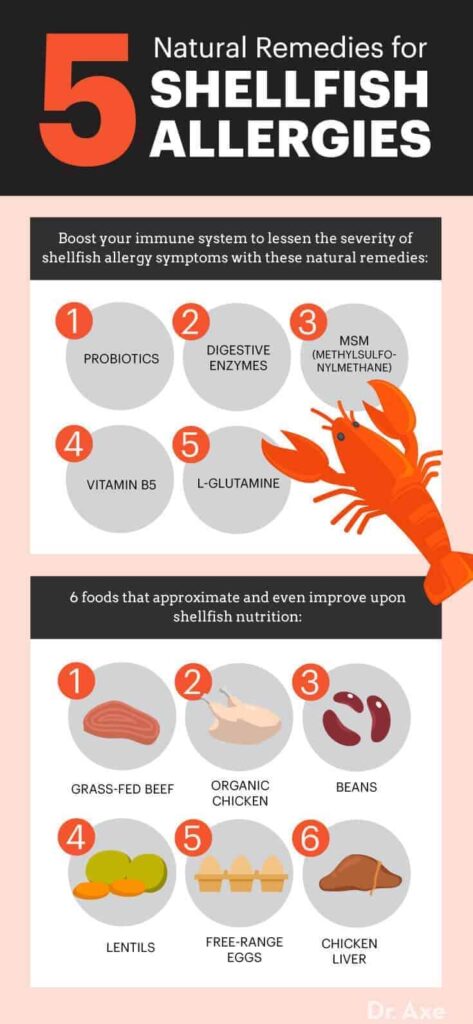
Are you aware of the risks associated with shrimp allergy? As one of the many food allergies that exist, it’s not as common as others, but its effects can be severe. Despite ongoing research, the exact cause of this allergy remains unknown.
In this article, we’ll delve into the world of shrimp allergy, exploring its symptoms, causes, treatment options, and more. Whether you’re a seafood enthusiast or just curious about this condition, this comprehensive guide will provide you with valuable insights to help you navigate the complex realm of food allergies.
What is Shrimp Allergy?
A shrimp allergy occurs when the immune system reacts to certain proteins found in shrimp. These proteins are identified by the immune system as harmful and trigger an allergic response, leading to a range of symptoms. The exact mechanism behind this reaction is still not fully understood but is thought to involve the release of histamine, which causes blood vessels to dilate and lead to inflammation.
Symptoms of Shrimp Allergy
If you’re allergic to shrimp, you may experience a variety of symptoms after consumption, ranging from mild to severe. Common symptoms include:
• Hives or itchy skin
• Swelling, particularly around the face, lips, tongue, or throat
• Stomach cramps and diarrhea
• Nausea and vomiting
• Shortness of breath, wheezing, or coughing (in severe cases)
In rare instances, an allergic reaction to shrimp can be life-threatening. If you experience any of the following symptoms, seek medical attention immediately:
• Difficulty breathing or swallowing
• Swelling of the face, lips, tongue, or throat
• Abdominal pain or cramping
• Fever or rapid heartbeat
What Causes Shrimp Allergy?
The exact cause of shrimp allergy is still a topic of ongoing research. However, it’s believed that genetic factors play a significant role in the development of this condition. If you have a family history of allergies or asthma, your risk of developing a shrimp allergy may be higher.
Other potential triggers include:
• Exposure to shrimp at an early age
• Sensitivity to other seafood products
Can Anyone Get Shrimp Allergy?
While anyone can develop a shrimp allergy, some individuals are more susceptible due to their genetic makeup or environmental factors. If you’re part of the following groups, your risk may be higher:
• People with a history of allergies or asthma
• Those who work in industries that involve frequent exposure to seafood
Risk Factors for Shrimp Allergy
Certain factors can increase the risk of developing a shrimp allergy:
• Family history of allergies: If you have a family member with an allergic reaction, your risk may be higher.
• Premature birth or low birth weight: Babies born prematurely or with low birth weights may be more susceptible to food allergies.
• Breastfeeding: Exclusive breastfeeding for at least four months may reduce the risk of developing a food allergy.
• C-section delivery: Babies born via cesarean section may have an increased risk of developing food allergies.
Treatment and Prevention
While there is no cure for shrimp allergy, there are steps you can take to manage symptoms and reduce the risk of an allergic reaction. These include:
• Avoiding shrimp and other seafood products
• Reading food labels carefully to avoid cross-contamination with shellfish
• Carrying an EpiPen or other epinephrine injector in case of emergency
Treatment Options
If you have a shrimp allergy, your treatment options may include:
- Avoidance: Avoid eating shrimp and other seafood products.
- Medications: Antihistamines, corticosteroids, or immunomodulatory drugs may be prescribed to reduce symptoms.
- Epinephrine injectors: Carrying an EpiPen or other epinephrine injector can help treat severe allergic reactions.
- Immunotherapy: Allergy shots or sublingual immunotherapy may be recommended for individuals with mild to moderate shrimp allergy.
What Can You Do If You Have a Shrimp Allergy?
If you’ve been diagnosed with a shrimp allergy, it’s essential to take steps to protect yourself. Here are some tips:
• Educate yourself and others about your condition
• Carry a medical alert card or wear a jewelry tag indicating your allergy
• Avoid eating at restaurants that serve raw or undercooked seafood
Conclusion
Shrimp allergy is a complex condition that requires careful attention and management. By understanding the causes, symptoms, and treatment options, you can take steps to protect yourself and reduce the risk of an allergic reaction. Remember, if you have a shrimp allergy, it’s essential to be proactive about your health.
Frequently Asked Questions
- What are the signs and symptoms of a shrimp allergy?
- Hives or itchy skin
- Swelling, particularly around the face, lips, tongue, or throat
- Stomach cramps and diarrhea
- Nausea and vomiting
- Can anyone develop a shrimp allergy?
- Anyone can develop a shrimp allergy, but genetic factors and exposure to seafood may play a role.
- Is it possible to outgrow a shrimp allergy?
- Currently, there is no known cure for shrimp allergy, and symptoms do not typically resolve on their own.
- Can I still eat other types of seafood if I have a shrimp allergy?
- While it’s unlikely that you’ll be allergic to all seafood products, some individuals may experience cross-reactivity or an allergic reaction.
- What should I do in case of an emergency?
- If you experience symptoms of a severe allergic reaction, such as difficulty breathing or swallowing, call 911 immediately and administer epinephrine if prescribed.
Managing Shrimp Allergy in Different Situations
If you have a shrimp allergy, it’s essential to be prepared for various situations:
• Dining out: Choose restaurants that serve cooked seafood products, and inform your server about your allergy.
• Traveling: Research the local seafood options and choose cooked or canned seafood products.
• Social gatherings: Inform friends and family about your allergy and encourage them to avoid serving shrimp.
Conclusion
Shrimp allergy is a complex condition that requires careful attention and management. By understanding the causes, symptoms, and treatment options, you can take steps to protect yourself and reduce the risk of an allergic reaction. Remember, if you have a shrimp allergy, it’s essential to be proactive about your health.
Additional Resources
If you’re looking for more information on shrimp allergy or want to connect with others who share similar experiences, consider the following resources:
- National Institute of Allergy and Infectious Diseases (NIAID)
- Food Allergy Research & Education (FARE)
- American Academy of Allergy, Asthma, and Immunology (AAAAI)
By taking the time to understand shrimp allergy and its complexities, you can make informed decisions about your health and take steps to protect yourself.


