
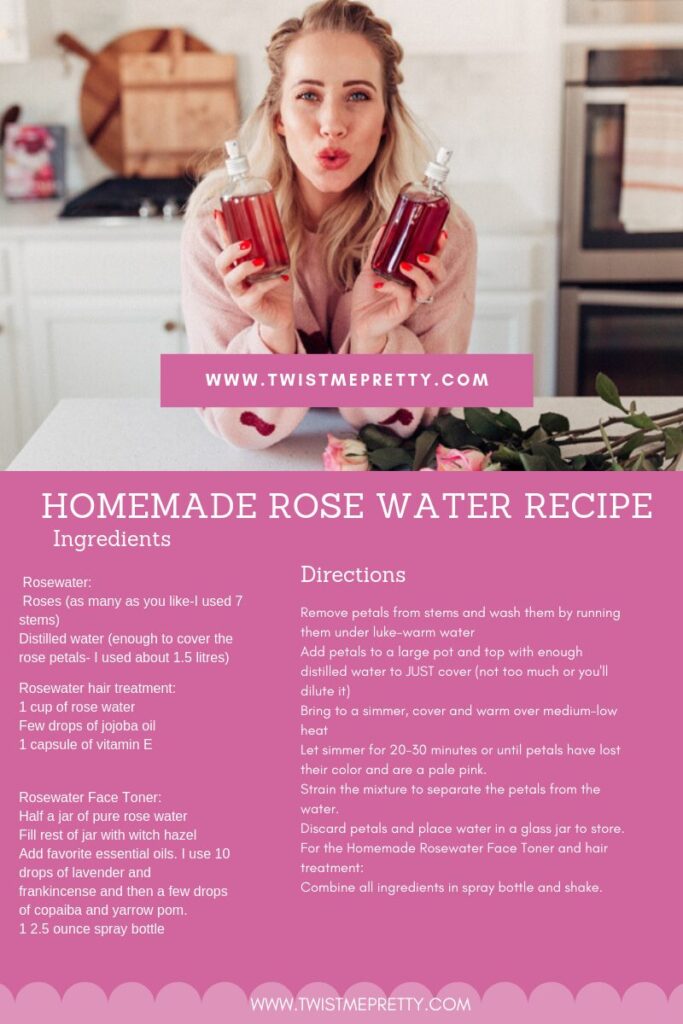
In this article, we will explore the art of making rose water at home. This ancient remedy has been used for centuries to nourish and protect the skin, and with the right ingredients and techniques, you can create a beautiful and effective product that will leave your skin feeling soft, smooth, and refreshed.
What is Rose Water?
Rose water is an infusion of petal extract that is made from roses. It has been used for centuries as a natural remedy for various skin problems, including acne, dryness, and inflammation. Rose water can also be used in cooking and as a natural preservative.
The process of making rose water involves infusing the petals of roses in boiling water to extract their fragrance and nutrients. The resulting liquid is a beautiful pinkish color and has a sweet, floral scent. Rose water can be stored for several weeks or even months when kept in an airtight container in the refrigerator.
Uses of Rose Water
There are many uses for rose water, including:
- Astringent: Rose water is often used as an astringent to tighten pores and reduce the appearance of fine lines and wrinkles.
- Skincare: Rose water can be used in skincare products to help balance the skin’s pH, reduce inflammation, and promote collagen production.
- Cooking: Rose water can be used to add flavor and fragrance to dishes such as salads, desserts, and drinks.
Materials Needed
To make rose water at home, you will need:
- Petals of roses (damask or any other variety)
- A large pot with a lid
- A strainer or cheesecloth
- A measuring cup
- Water
- Ice cubes
Step-by-Step Instructions
Here’s how to make rose water at home:
- Chill the Water: Chill the water in the refrigerator before using it.
- Prepare the Pot: Fill a large pot with water, leaving enough room for the petals of roses. Bring the water to a boil.
- Add Petals: Add the petals of roses to the boiling water and let them steep for about 30-40 minutes. Stir occasionally to ensure even extraction.
- Strain: Strain the mixture through a cheesecloth or a strainer into another pot. Discard the solids.
- Add Ice Cubes: Add ice cubes to the strained liquid to cool it down further.
- Store: Store the rose water in an airtight container in the refrigerator for up to 2 weeks.
Tips and Variations
Here are some tips and variations you can try:
- Use distilled water instead of regular water for a clearer rose water.
- Add a few drops of lemon juice or glycerin to help preserve the rose water.
- Experiment with different types of roses, such as damask, attar, or Turkish rose, for different flavor profiles.
Benefits of Rose Water
Rose water has numerous benefits when used in skincare and cooking. Here are some of its key advantages:
- Anti-inflammatory: Rose water is known to reduce inflammation and soothe irritated skin.
- Antioxidant properties: The antioxidants present in rose water help protect the skin from damage caused by free radicals.
- Natural preservative: Rose water can be used as a natural preservative in cooking, helping to extend the shelf life of dishes.
Skincare Recipes Using Rose Water
Here are some simple skincare recipes you can make using rose water:
- Face Mist: Mix equal parts rose water and witch hazel in a spray bottle. Spray on the skin before bed for a refreshing and hydrating face mist.
- Eye Cream: Combine equal parts rose water, honey, and aloe vera gel to create a soothing eye cream.
- Skin Toner: Blend equal parts rose water and green tea extract with witch hazel for a natural toner.
Conclusion
Making rose water at home is a simple and cost-effective way to create a natural skincare product that can be used to nourish and protect your skin. With the right ingredients and techniques, you can create a beautiful and effective product that will leave your skin feeling soft, smooth, and refreshed. Whether you use it as an astringent, toner, or moisturizer, rose water is a versatile ingredient that can add benefits to your skincare routine.
Frequently Asked Questions (FAQs)
Here are some frequently asked questions about making rose water at home:
- Q: What type of roses should I use?
A: You can use any variety of roses, such as damask or attar, for making rose water. - Q: How long does it take to make rose water?
A: It takes about 30-40 minutes to steep the petals in boiling water and another hour to cool down further. - Q: Can I use frozen berries instead of ice cubes?
A: Yes, you can use frozen berries as a substitute for ice cubes. - Q: How long does rose water last?
A: Rose water lasts for up to 2 weeks when stored in an airtight container in the refrigerator.
Common Mistakes to Avoid
Here are some common mistakes to avoid when making rose water at home:
- Using low-quality ingredients: Choose fresh and high-quality roses and clean equipment to ensure the best results.
- Not steeping the petals long enough: Steep the petals for at least 30 minutes to extract their fragrance and nutrients.
- Over-steeping the mixture: Monitor the temperature of the water and avoid over-steeping, which can result in a bitter taste.
Conclusion
In conclusion, making rose water at home is a simple and cost-effective way to create a natural skincare product that can be used to nourish and protect your skin. With the right ingredients and techniques, you can create a beautiful and effective product that will leave your skin feeling soft, smooth, and refreshed.


