
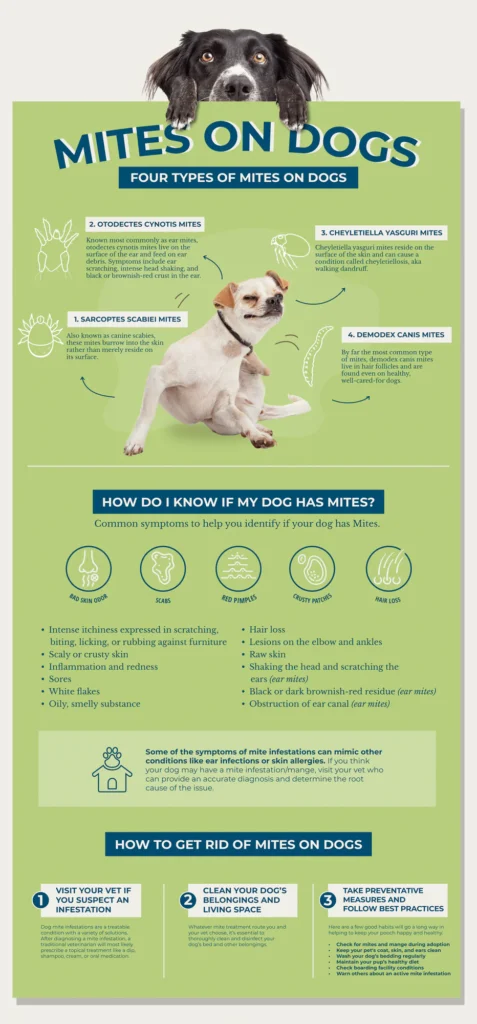
As a dog owner, you’re likely no stranger to the challenges that come with caring for your furry friend. Among the many issues that can affect canine health, flea infestations are one of the most significant problems to address. These pesky parasites can cause a range of symptoms, from intense itching and skin irritation to more serious complications like anemia and allergic reactions.
In this article, we’ll delve into the world of fleas, exploring what they are, how they affect dogs, and most importantly, how to prevent and treat these unwanted guests. Whether you’re a seasoned dog owner or just welcoming a new furry friend into your life, understanding flea infestations is crucial for maintaining your dog’s health and happiness.
What Are Fleas?
Fleas are small, parasitic insects that feed on the blood of mammals, including dogs. They belong to the order Siphonaptera and can be found in a wide range of environments, from homes and gardens to forests and grasslands. These tiny creatures have a distinctive life cycle, which involves four stages: egg, larva, pupa, and adult.
Types of Fleas that Infest Dogs
There are several species of fleas that can infest dogs, each with its unique characteristics and habits. The most common types include:
- Rogersi flea: This is the most common type of flea that infests dogs. It’s responsible for transmitting diseases like typhus and tularemia.
- Cat flea: Although primarily found on cats, this flea can also infest dogs. It’s known for causing intense itching and skin irritation.
- Flea larvae: These are the immature stages of fleas that feed on dog blood. They can cause significant discomfort and allergic reactions.
Symptoms of Flea Infestation in Dogs
If your dog is infested with fleas, you may notice a range of symptoms, including:
- Intense itching and scratching
- Skin irritation and redness
- Hair loss
- Anemia (in severe cases)
- Allergic reactions
Diagnosing Flea Infestation in Dogs
To diagnose flea infestation in dogs, your veterinarian may use a combination of methods, including:
- Visual examination: Your vet will inspect your dog’s coat and skin for signs of fleas, such as tiny brown specks or actual fleas.
- Flea comb: A special tool used to remove fleas from your dog’s coat.
- Blood tests: To rule out other conditions that may cause similar symptoms.
- Environmental testing: To identify the source of the infestation.
Treating Flea Infestations in Dogs
Treatment for flea infestations typically involves a combination of medication, lifestyle changes, and environmental adjustments. Here are some common methods:
- Topical treatments: Shampoos, sprays, or lotions applied directly to your dog’s skin.
- Oral medications: Tablets or chewables that kill fleas on contact.
- Flea collars: Devices that release a slow-acting pesticide that kills fleas over time.
- Environmental treatments: Spraying or using powders to eliminate fleas in your home and yard.
Preventing Flea Infestations in Dogs
To prevent flea infestations, follow these tips:
- Regular grooming: Brush your dog regularly to remove loose hair and detect any signs of fleas.
- Flea prevention medication: Use a flea preventative medication on your dog’s skin or in their food.
- Environmental cleaning: Regularly vacuum and mop surfaces, especially areas where your dog spends most of its time.
- Washing bedding: Wash your dog’s bedding regularly to remove fleas and eggs.
Additional Tips for Treating Flea Infestations
- Use a flea preventative medication consistently: To prevent re-infestation, use a flea preventative medication on your dog regularly.
- Treat all pets in the household: Fleas can infest multiple dogs, so it’s essential to treat all pets in the household to prevent re-infestation.
- Use a combination of treatments: Using a combination of topical treatments, oral medications, and environmental treatments can be more effective than using a single treatment method.
Conclusion
Flea infestations can be a significant problem for dogs, causing discomfort, skin irritation, and even serious health complications. By understanding what fleas are, how they affect dogs, and how to prevent and treat them, you can help keep your furry friend happy and healthy. Whether you’re a seasoned dog owner or just welcoming a new furry friend into your life, staying informed is the key to maintaining your dog’s well-being.
FAQs
- How often should I bathe my dog to prevent flea infestations?
Regular bathing can help remove loose hair and detect signs of fleas. - Can I use human flea medication on my dog?
No, human medications are not designed for dogs and may cause adverse reactions. - How long does it take to treat a severe flea infestation?
Treatment duration varies depending on the severity of the infestation and the type of treatment used. - Can fleas transmit diseases to humans?
Yes, fleas can transmit diseases like typhus and tularemia to humans. - How often should I vacuum my home to prevent flea infestations?
Regular vacuuming can help remove flea eggs and larvae from your home. - Can I use essential oils to repel fleas?
Some essential oils, such as lavender and tea tree oil, may have flea-repelling properties, but their effectiveness is not scientifically proven. - How often should I wash my dog’s bedding to prevent flea infestations?
Washing your dog’s bedding regularly can help remove fleas and eggs. - Can I use diatomaceous earth to treat flea infestations?
Yes, diatomaceous earth can be used to dehydrate and kill fleas, but it may not be effective against severe infestations.
Flea Prevention Products
There are many products available on the market that can help prevent flea infestations. Some of these products include:
- Flea shampoos
- Flea sprays
- Flea collars
- Flea powders
- Flea preventative medications
Conclusion
Flea infestations are a common problem for dogs, causing discomfort and health complications. By understanding what fleas are, how they affect dogs, and how to prevent and treat them, you can help keep your furry friend happy and healthy. Whether you’re a seasoned dog owner or just welcoming a new furry friend into your life, staying informed is the key to maintaining your dog’s well-being.
References
- National Parasite Council. (2022). Fleas.
- American Kennel Club. (2022). Flea Infestation in Dogs.
- PetMD. (2022). Flea Treatment for Dogs.
- Veterinary Partner. (2022). Fleas and Flea Allergy Dermatitis.
Additional Resources
- National Parasite Council. (2022). Flea Prevention.
- American Kennel Club. (2022). Flea-Proof Your Home.
- PetMD. (2022). Flea Control Products for Dogs.
By following the tips and advice provided in this article, you can help prevent and treat flea infestations in your dog. Remember to stay informed, use a combination of treatments, and consult with your veterinarian if necessary. With proper care and attention, you can keep your furry friend happy and healthy.


