
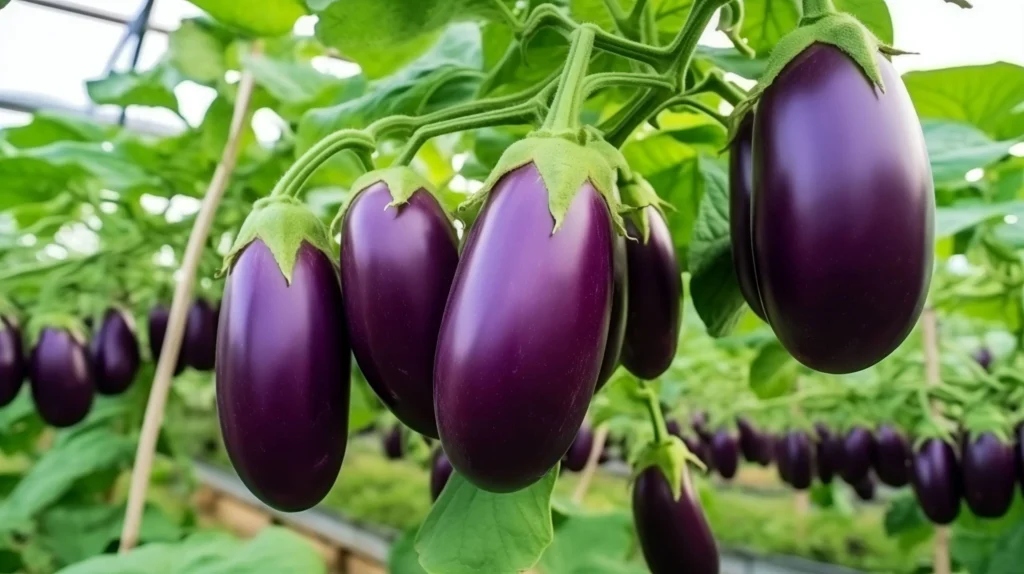
Growing Zucchini: A Comprehensive Guide
As a beginner gardener, cultivating zucchini can seem daunting, but with the right guidance, you can enjoy a bountiful harvest of delicious and nutritious fruit. In this article, we’ll delve into the world of zucchini cultivation, covering everything from choosing the right variety to common pests and diseases.
Choosing the Right Variety
With over 100 different types of zucchini available, selecting the right one for your needs can be overwhelming. Here are some popular varieties:
- Round Zucchini: Great for slicing and sautéing, round zucchini have a symmetrical shape and tender flesh.
- Long Zucchini: Perfect for grilling or roasting, long zucchini have a slender shape and crunchy texture.
- Pattypan Zucchini: These flat, round zucchinis are great for breadings and breading.
- Yellow Crookneck Zucchini: A popular variety known for its bright yellow skin and sweet, tender flesh.
- Straightneck Zucchini: A classic variety with a long, straight shape and delicious flavor.
When selecting a variety of zucchini, consider the intended use. For example, if you plan to slice or sauté your zucchinis, round or pattypan varieties may be the best choice. If you prefer to grill or roast, long zucchini or yellow crookneck varieties may be more suitable.
Preparing the Soil
Zucchini prefer well-draining soil with a pH between 6.0 and 7.0. To prepare your soil, mix in:
- Compost: Rich in nutrients, compost helps improve soil structure and fertility.
- Manure tea: A liquid solution made from decomposed manure, it’s high in nitrogen and phosphorus.
- Balanced fertilizer: Apply a balanced fertilizer to provide essential micronutrients.
Sowing Seeds or Planting Seedlings
You can sow zucchini seeds directly into the ground or start them indoors 2-3 weeks before the last frost date. Sow seeds:
- 1 inch deep: Make sure the soil is moist but not waterlogged.
- 6 inches apart: Give each seedling plenty of space to grow.
Once seedlings have two sets of leaves, transplant them to a larger pot or directly into the garden.
Supporting Zucchini Plants
Zucchini plants can grow quite large and sprawling, so it’s essential to provide support:
- Use tomato cages: Securely support tall plants with sturdy cages.
- Install trellises: Train vines to climb up a trellis for maximum space utilization.
- Train vines: Gently twine stems around supports to keep the plant upright and organized.
Common Pests and Diseases
Keep an eye out for common pests like:
- Aphids: Small, soft-bodied insects that feed on sap.
- Whiteflies: Tiny, winged insects that transmit diseases.
- Squash bugs: Flat, brown insects that feed on plant sap.
Regularly inspect your plants and treat any infestations promptly. For fungal diseases like:
- Powdery mildew: A white, powdery coating on leaves and stems.
- Downy mildew: A yellowish or grayish coating on leaves and stems, accompanied by a downy growth.
Treat fungal infections by removing infected leaves or stems and applying fungicides as needed.
Irrigation
Zucchini plants require consistent moisture, especially when they’re producing fruit. Water plants:
- Deeply once or twice a week: Avoid shallow watering, which can encourage weak root growth.
- Depending on weather conditions: Adjust watering schedules according to rainfall and temperature.
Common Mistakes to Avoid
- Planting too many zucchinis in close proximity: Give each plant enough space to grow and receive adequate air circulation.
- Not providing enough support for sprawling vines: Train vines to climb or use supports to keep the plant upright and organized.
- Not controlling weeds and pests: Regularly inspect your plants and treat any infestations promptly.
By avoiding these common mistakes and following the tips outlined in this article, you’ll be well on your way to growing delicious and healthy zucchini. Happy gardening!
FAQs
- What’s the best time to plant zucchini?
- In temperate climates, plant zucchini seeds 2-3 weeks before the last frost date.
- In warmer climates, plant zucchini seeds in late winter or early spring.
- How often should I water my zucchini plants?
- Zucchini plants require consistent moisture, especially when they’re producing fruit.
- Water plants deeply once or twice a week, depending on weather conditions.
- Can I grow zucchini in containers?
- Yes, you can grow zucchini in containers using a trellis or cage to support the plant.
- Choose a container that’s at least 6 inches deep and has good drainage holes.
Conclusion
Growing zucchini is a rewarding experience that requires minimal maintenance. By choosing the right variety, preparing the soil, sowing seeds or planting seedlings, supporting plants, controlling pests and diseases, and providing consistent moisture, you’ll be able to enjoy a bountiful harvest of delicious and nutritious fruit. With patience, care, and attention to detail, you can grow zucchini that will impress your family and friends.
Advanced Tips
- Mulch around the base: Mulching helps retain moisture and suppress weeds.
- Companion planting: Planting certain vegetables alongside zucchinis can improve growth and deter pests. For example, basil repels aphids, while marigolds deter nematodes.
- Zucchini companion varieties: Some varieties of zucchini can be paired with specific vegetables to enhance their growth and flavor.
By incorporating these advanced tips into your zucchini cultivation routine, you’ll take your growing skills to the next level. Happy gardening!


