
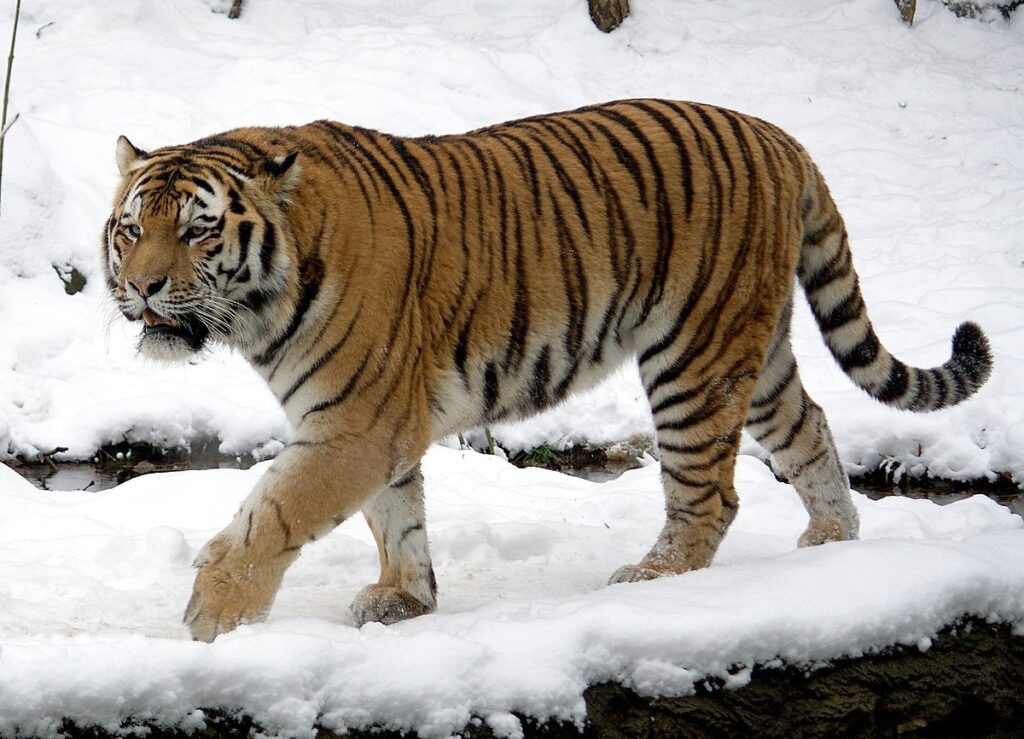
Deep in the Russian wilderness, a majestic creature roams, its beauty and power captivating our imagination. The Siberian tiger, also known as the Amur tiger, is one of the most iconic and awe-inspiring animals on our planet. However, this magnificent beast is facing an existential threat due to human activities that have devastated its habitat.
Introduction
The Siberian tiger’s story is one of resilience and adaptation in the face of adversity. As a species, it has been thriving for centuries, with some estimates suggesting that there may have been as many as 100,000 individuals roaming the Russian Far East during the Soviet era. However, due to habitat loss, poaching, and human-tiger conflict, their numbers have dwindled dramatically in recent years.
The Siberian Tiger: A Magical Creature
This majestic animal has been a symbol of power and strength in many cultures, appearing in films, books, and songs across the globe. Its striking appearance, with a thick coat of fur and piercing eyes, makes it a popular subject for wildlife enthusiasts. However, beneath its regal exterior lies a complex creature that is struggling to survive in a world that has altered beyond recognition.
Weight and Body Mass
The Siberian tiger is an imposing figure, with males weighing up to 320 kilograms (705 pounds) and females around 180 kilograms (397 pounds). This impressive weight allows them to traverse the vast expanses of their habitat with ease. In the past, some individuals have been recorded to weigh even more, reaching a staggering 400 kilograms (882 pounds).
Habitat and Distribution
The Siberian tiger’s native range includes the Russian Far East, as well as parts of China and North Korea. Its name is derived from its historical presence in these regions. In modern times, however, the tiger’s habitat has been significantly reduced due to deforestation, urbanization, and other human activities.
Historical Habitat Loss
The Siberian tiger’s original range spanned across a vast territory, stretching from the Pacific coast of Russia to the borders of China. However, as human populations expanded and agriculture developed, their habitat was gradually cleared for timber, agriculture, and settlements. By the mid-20th century, much of their natural habitat had been lost, leaving the tigers with fragmented and isolated habitats.
Conservation Efforts
Despite the decline in their population, conservation efforts have been underway to protect the Siberian tiger’s remaining habitats. The Russian government has established several protected areas, including the Primorye and Khabarovsk Krais Nature Reserves, which provide a safe haven for the tigers to roam and hunt. Additionally, international organizations such as the World Wildlife Fund (WWF) and the International Union for Conservation of Nature (IUCN) have been working tirelessly to promote conservation efforts and reduce human-tiger conflict.
Comparison to Other Tiger Species
While the Siberian tiger shares some characteristics with other subspecies of tigers, such as the Bengal and Sumatran tigers, it has distinct features that set it apart. The Amur tiger’s stripes are more horizontal, its eyes are more sensitive to light, and its body is more athletic.
Physical Characteristics
The Siberian tiger’s coat is not a pure white, as often depicted in media. Instead, it is a light yellowish color that allows them to blend into their surroundings. This adaptation serves as camouflage, enabling the tigers to hunt and avoid detection with ease. Their fur is also exceptionally thick and dense, providing insulation against the harsh Siberian climate.
Behavioral Traits
Siberian tigers are skilled hunters, using their powerful legs and sharp claws to take down prey in a single bound. They are solitary animals, only coming together for mating or territorial disputes. Despite this, they have been known to form small family groups, with males often playing a protective role towards females and their cubs.
Diet and Hunting
As apex predators, Siberian tigers feed on a variety of prey, including deer, wild boar, and smaller mammals. They require a substantial amount of food to sustain themselves, consuming up to 30 kilograms (66 pounds) of meat per day. This diet plays a crucial role in maintaining their weight and energy levels, allowing them to thrive in the harsh Siberian environment.
Human Interaction and Symbolism
Despite their fearsome reputation, Siberian tigers have been featured as mascots for various events, such as the 1988 Seoul Olympics. In some Asian cultures, they are also believed to possess mystical powers. However, these associations have not helped protect the species from extinction. In reality, humans and tigers often come into conflict, with both sides suffering losses in the process.
Human-Tiger Conflict
One of the most significant threats facing Siberian tigers is human-tiger conflict. As their habitat shrinks, tigers are increasingly entering agricultural areas and settlements, leading to clashes with local communities. These conflicts can result in devastating consequences for both humans and tigers, highlighting the need for more effective conservation strategies.
Conservation Strategies
To address the decline of Siberian tiger populations, several conservation strategies have been put in place. Habitat protection and restoration are key components of these efforts, as well as education and outreach programs aimed at local communities. Additionally, research and monitoring programs are crucial in understanding the behavior, habitat needs, and population dynamics of this majestic species.
Conclusion
The Siberian tiger is a magnificent creature that demands our attention and action. As we reflect on its plight, we must consider the impact of human activities on the natural world and take steps to preserve their habitat. By working together, we can ensure the long-term survival of this iconic species.
Frequently Asked Questions (FAQs)
- What is the current conservation status of the Siberian tiger?
The Siberian tiger is listed as Endangered on the IUCN Red List, with fewer than 500 individuals remaining in the wild. - Why are Siberian tigers at risk of extinction?
Habitat loss, poaching, and human-tiger conflict are all contributing factors to the decline of the species. - What is the typical diet of a Siberian tiger?
Siberian tigers feed on a variety of prey, including deer, wild boar, and smaller mammals. - Can Siberian tigers be found in other parts of the world?
While they are native to Russia, China, and North Korea, there have been occasional sightings in other regions. - How can we help protect the Siberian tiger?
Support conservation efforts, reduce your carbon footprint, and advocate for protecting their habitat. - What is the average lifespan of a Siberian tiger?
The average lifespan of a Siberian tiger in the wild is around 15-20 years. - Are Siberian tigers social animals?
While they are generally solitary, male Siberian tigers have been known to form small family groups. - Can humans and Siberian tigers coexist peacefully?
It is possible, but requires careful planning and management of human-tiger conflict areas.
Sources
- IUCN Red List: Panthera Tigris Altaica
- National Geographic: Siberian Tiger
- Wildlife Conservation Society: Amur Tiger


