
Introduction
Are you looking for ways to reduce your sugar intake and improve your overall health? Eating too much sugar can have negative effects on our bodies, from weight gain to skin problems. In this article, we’ll explore the importance of limiting sugar consumption and provide tips on how to do so in a sustainable way.
What is Sugar Intake?
Sugar intake refers to the amount of sugar consumed through food and beverages. The World Health Organization recommends that adults limit their daily sugar intake to no more than 6 teaspoons (25 grams) per day. Exceeding this amount can lead to various health problems, including obesity, type 2 diabetes, and heart disease.
Why Reduce Sugar Intake?
Reducing sugar intake is essential for maintaining good health. Here are some reasons why:
- Consuming high amounts of sugar can lead to weight gain and obesity.
- Excessive sugar consumption can increase the risk of developing type 2 diabetes and other metabolic disorders.
- Eating too much sugar can cause skin problems, such as acne and premature aging.
- Reducing sugar intake can improve overall health and well-being.
- Sugar intake has been linked to an increased risk of certain cancers, including pancreatic cancer.
How Does Sugar Affect the Body?
Sugar plays a significant role in various bodily functions. Here’s how it affects our bodies:
- Energy Source: Sugar is broken down into glucose and used as an energy source for the body.
- Hormone Regulation: Insulin, produced by the pancreas, regulates blood sugar levels.
- Inflammation: Excessive sugar consumption can lead to chronic inflammation, which increases the risk of various diseases.
Types of Sugars
There are several types of sugars found in food and beverages. Here’s a breakdown:
- Simple Sugars: Monosaccharides (glucose) and disaccharides (sucrose, lactose)
- Complex Sugars: Polysaccharides (starches, fibers)
Hidden Sources of Sugar
Many foods and beverages contain hidden sources of sugar. Here are some common ones:
- High-Fructose Corn Syrup: Used in many processed foods and beverages
- Honey: A natural sweetener that can be high in sugar
- Maple Syrup: A natural sweetener that can be high in sugar
- Agave Nectar: A plant-based sweetener that can be high in sugar
Tips for Reducing Sugar Intake
Here are some tips to help you reduce your sugar intake:
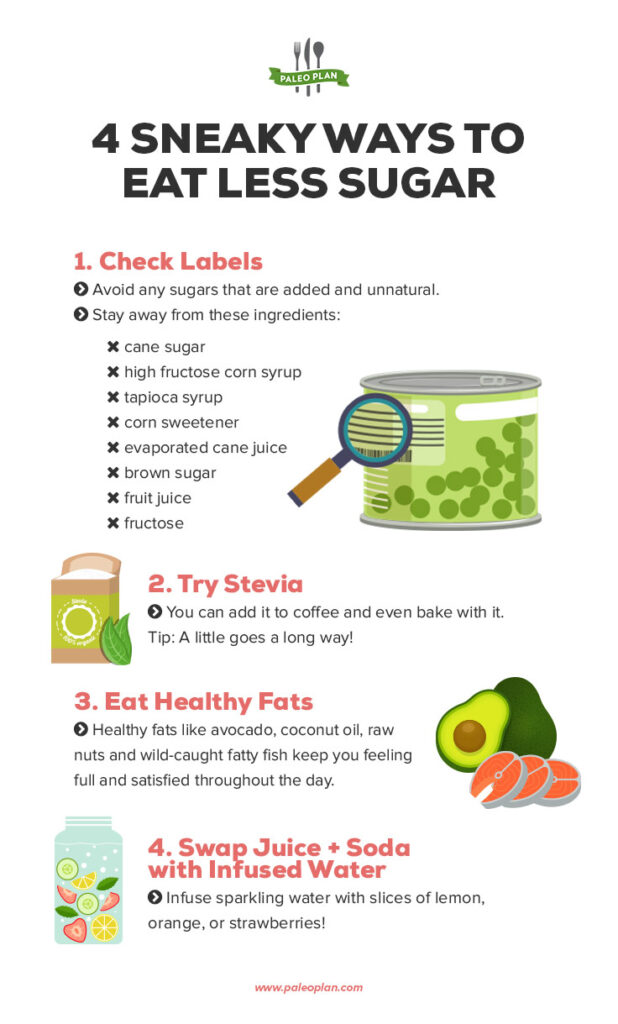
1. Read Food Labels
Be aware of the amount of sugar in food and beverages by reading labels carefully.
2. Choose Natural Sweeteners
Instead of using refined sugar, try natural sweeteners like stevia or monk fruit.
3. Select Low-Sugar Options
When shopping for packaged foods, choose options with lower sugar content.
4. Cook at Home
Prepared meals often contain high amounts of sugar. Cooking at home allows you to control the amount of sugar that goes into your food.
5. Drink Water Instead of Sugary Beverages
Staying hydrated with water can help reduce your overall sugar intake. Avoid sugary drinks like soda and sports drinks.
Common Signs That You’re Consuming Too Much Sugar
Here are some common signs that you may be consuming too much sugar:
- Fatigue: Feeling tired or sluggish due to excessive sugar consumption.
- Skin Problems: Experiencing acne, premature aging, or other skin issues related to sugar intake.
- Weight Gain: Gaining weight or experiencing difficulty losing weight due to high sugar consumption.
Reducing Sugar Intake in Specific Situations
Here are some tips for reducing sugar intake in specific situations:
1. Baking
When baking, try using natural sweeteners like honey or maple syrup instead of refined sugar.
2. Eating Out
Choose low-sugar options when eating out, and ask your server about the ingredients used in dishes.
3. Social Gatherings
Offer healthier alternatives to sugary treats at social gatherings, such as fruit or dark chocolate.
Conclusion
Reducing sugar intake is essential for maintaining good health. By identifying hidden sources of sugar, choosing natural sweeteners, selecting low-sugar options, cooking at home, and drinking water instead of sugary beverages, you can make healthier choices that benefit your overall well-being. Remember to be mindful of portion sizes and read food labels carefully to ensure you’re meeting your daily sugar intake recommendations.


