
Understanding and Treating Belly Button Fungal Infections: A Comprehensive Guide
The belly button, also known as the navel, is a vulnerable area on the human body that can easily become infected with fungi. The unique environment of the belly button, characterized by high humidity and warmth, creates an ideal breeding ground for fungal growth. This article will delve into the causes, symptoms, and treatment options for belly button fungal infections.
Why is the Belly Button so Prone to Infections?
The body is home to trillions of microorganisms, including fungi and bacteria. These microorganisms can thrive in specific environments, such as the warm, moist area around the belly button. The folds of skin surrounding the navel create a perfect environment for fungal growth, making it an ideal location for fungal infections to develop.
What Causes Fungal Infections?
Fungal infections in the belly button can be caused by several factors, including:
- Poor hygiene: Failure to regularly clean and dry the belly button area can lead to fungal overgrowth.
- Sweat: Trapped sweat can create an ideal environment for fungi to thrive.
- Weakened immune system: Individuals with compromised immune systems may be more susceptible to fungal infections.
- Antibiotic use: The use of antibiotics can disrupt the natural balance of microorganisms on the skin, leading to fungal overgrowth.
Symptoms of a Fungal Infection
If left untreated, a fungal infection in the belly button can lead to:
- Redness and inflammation
- Itching and discomfort
- A foul odor
- Crusting or scabbing
In some cases, fungal infections can become more severe, leading to complications such as:
- Abscesses: Pus-filled pockets that form on the skin
- Cellulitis: A bacterial infection that spreads to the surrounding tissue
- Fungal sinusitis: An infection of the nasal passages and sinuses
How to Prevent Infections
To prevent fungal infections, follow these tips:
- Regularly clean and dry the belly button area
- Wear loose, breathable clothing
- Avoid tight-fitting shirts or pants
- Use an antifungal soap or cream
- Stay hydrated
- Practice good hygiene during menstruation
- Keep the area around the navel clean and dry
Treating Fungal Infections
If you suspect a fungal infection in your belly button, consult a healthcare professional for proper diagnosis and treatment. Treatment options may include:
- Topical antifungal creams or ointments: Applied directly to the affected area
- Oral antifungal medications: Taken by mouth to target the underlying cause of the infection
- Irrigation with an antiseptic solution: A procedure where a liquid solution is poured into the belly button to flush out fungal spores
Medications Used for Treating Fungal Infections
Antifungal medications are available in various forms, including:
- Clotrimazole (Lotrimin): Cream or ointment form
- Terbinafine (Lamisil): Oral medication form
- Fluconazole (Diflucan): Oral medication form
- Miconazole (Micatin): Topical cream or ointment form
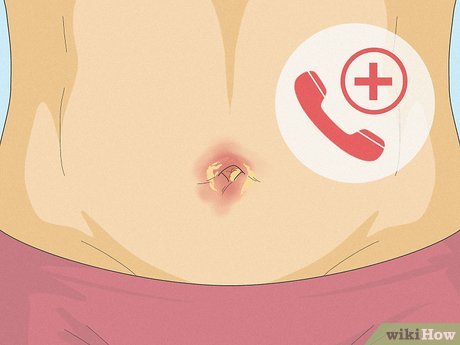
When to Seek Medical Attention
If you experience any of the following symptoms, seek medical attention:
- Severe itching or burning
- Redness or swelling that spreads beyond the belly button area
- Pus or discharge from the navel
- Fever or chills
- Recurring infections



