
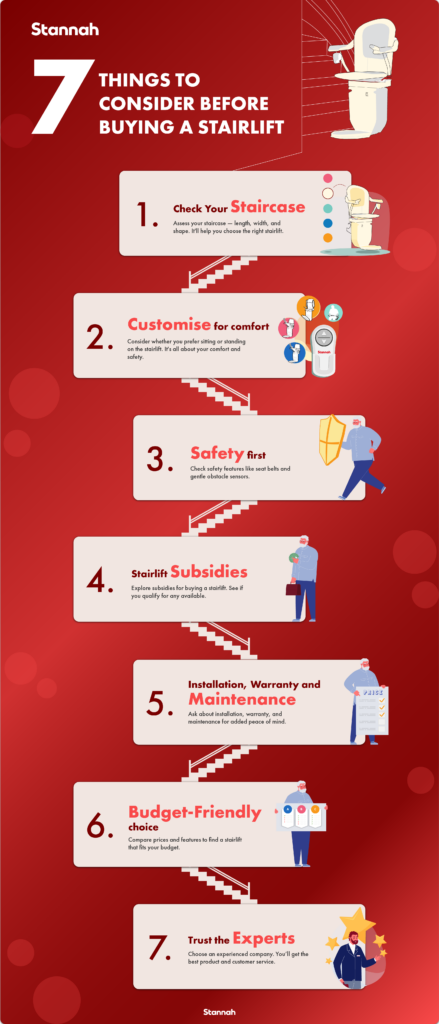
As we age or face mobility challenges, access to assistive devices like mobility aids becomes increasingly crucial. These innovative tools are revolutionizing the lives of individuals, enabling them to maintain independence and continue participating in activities they love. With advancements in technology and ergonomic design, mobility aids offer a safe and effective solution for people with limited mobility.
In this article, we will guide you through three simple yet essential considerations for choosing the right mobility aid for your specific needs.
Understanding Your Needs
Before making a decision, it’s vital to consider your individual needs. For instance, if you’re an elderly person with limited mobility, you may require a model with simple controls and ergonomic design. If you use a wheelchair, it’s crucial to ensure that the mobility aid is spacious enough to accommodate your chair.
Assessing your unique requirements ensures that the mobility aid meets your needs optimally. This careful evaluation will help you find a solution that caters to your specific needs, providing you with greater independence and confidence.
Some key factors to consider when evaluating your individual needs include:
- Physical limitations: Consider any physical limitations you may have, such as arthritis, numbness, or muscle weakness, which can impact your ability to use certain mobility aids.
- Mobility goals: Determine what you want to achieve with a mobility aid, whether it’s to regain independence, reduce fatigue, or enhance overall quality of life.
- Personal preferences: Think about your personal preferences regarding aesthetics, comfort, and ease of use.
For example, if you’re an elderly person who uses a wheelchair, you may require a mobility aid that can accommodate your chair comfortably while also providing easy access to stairs or other areas.
Measuring Your Space
Every environment is unique, with varying levels of slope, length, and width. Before purchasing a mobility aid, it’s essential to carefully measure the available space and consider the configuration of the stairs. This crucial step will help determine the ideal type of mobility aid for your situation, which could be a straight, curved, or even an external model.
Ensuring that the mobility aid fits perfectly into the environment makes its use safer and more efficient. Some key factors to consider when evaluating space include:
- Slope: Consider the slope of the stairs or ramp you’ll need to navigate with your mobility aid.
- Length: Think about the length of your wheelchair or other mobility devices and how they’ll interact with the mobility aid.
- Width: Evaluate the width of the available space, including doorways, hallways, and landings.
For instance, if you have a curved staircase, a curved mobility aid may be more suitable than a straight one to ensure comfortable navigation.
Trusting Reputable Suppliers
Lastly, but equally important, it’s vital to trust reputable suppliers and companies with extensive experience in providing and installing mobility aids. These experts can offer expert advice, guarantee the quality of the product, and provide reliable post-sale support. By choosing a trusted supplier, you reduce the risk of errors during selection and installation, ensuring that your mobility aid is both safe and functional.
When selecting a reputable supplier, consider factors such as:
- Experience: Look for suppliers with extensive experience in providing mobility aids, especially those with expertise in specific types, like stairlifts or platform lifts.
- Quality assurance: Ensure the supplier has a solid reputation for producing high-quality products that meet your needs and expectations.
- Customer service: Evaluate the level of customer support offered by the supplier, including post-sale support, training, and ongoing maintenance.
At Otolift, we’re dedicated to providing exceptional mobility aids that cater to individual needs while also prioritizing user safety and convenience. Our commitment to innovation, quality, and customer satisfaction has earned us a reputation as one of the leading suppliers in the industry.
Case Study: Choosing the Right Mobility Aid for an Elderly Woman
Meet Sarah, an elderly woman who lives alone in a two-story house with stairs. Due to arthritis and limited mobility, she struggles to navigate her home safely and comfortably.
Sarah requires a mobility aid that can accommodate her wheelchair while also providing easy access to her living areas. She also values the ability to customize the device to meet her specific needs.
After careful consideration, Sarah decides on an Otolift stairlift, which is specifically designed for ease of use and comfort. The stairlift features:
- Comfortable seating: A spacious seat that allows Sarah to relax while using the mobility aid.
- Easy controls: Simple controls that allow her to operate the device with minimal effort.
- Customization options: The ability to adjust the seat height, armrests, and other settings to fit her individual needs.
The installation process is straightforward and takes place over a single day. Sarah’s new stairlift not only enhances her independence but also provides peace of mind, knowing that she can navigate her home safely and comfortably.
FAQs
-
What are the most common types of mobility aids?
Mobility aids come in various forms, including stairlifts, platform lifts, transfer chairs, and more. Each type is designed to cater to specific needs and environments. -
How do I choose a reputable supplier?
Researching the company’s reputation, reading reviews from satisfied clients, and asking for recommendations can help you find a trustworthy supplier. -
What are the most important factors when selecting a mobility aid?
Your individual needs, available space, and budget should all be carefully considered when choosing a mobility aid to ensure optimal performance. -
How do I maintain my mobility aid?
Regular maintenance, such as cleaning and lubricating moving parts, can help extend the lifespan of your mobility aid. -
What are the benefits of using a stairlift?
Stairlifts provide independence, safety, and convenience for those facing mobility challenges when navigating stairs. -
Can I customize my mobility aid to fit my specific needs?
Many suppliers offer customization options to ensure that your mobility aid meets your unique requirements. -
How long does it typically take to install a mobility aid?
Installation times vary depending on the complexity of the job and the supplier, but most installations can be completed within a few hours. -
What kind of support is available for users of mobility aids?
Many suppliers offer post-sale support, training, and customer service to ensure that you receive the best possible experience with your mobility aid.
In conclusion, choosing the right mobility aid requires careful consideration of individual needs, available space, and budget. By trusting reputable suppliers and taking the time to evaluate your specific requirements, you can find a solution that enhances your independence, safety, and overall quality of life.


