
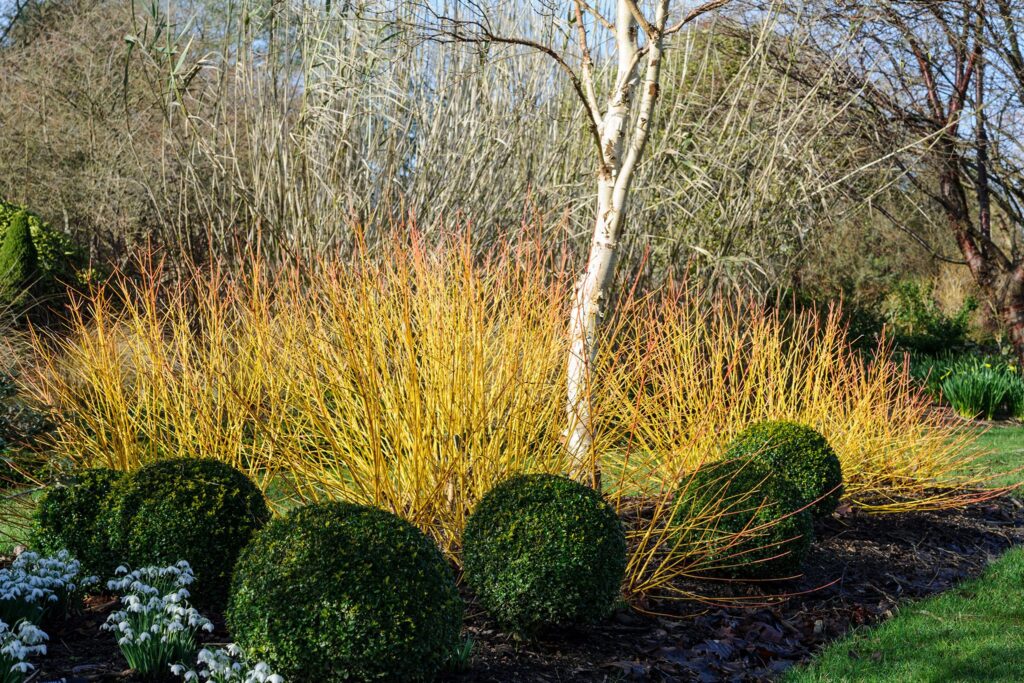
Cornelian cherries (Cornus mas) are a popular ornamental tree among gardeners due to their stunning foliage, edible fruits, and adaptability to various environments. Native to the Apennine Mountains, this shrub or small tree has been grown in specialized plantations for its desirable traits: productivity, ornamentation, and cold hardiness.
In this comprehensive guide, we will explore the best practices for growing cornelian cherries, including choosing the right location, planting a healthy tree, watering and irrigation, fertilization, pruning and maintenance, propagation, and common problems and solutions. By following these guidelines, you can successfully cultivate cornelian cherry trees in your garden or landscape.
Choosing the Right Location
Cornelian cherry thrives in temperate climates with moderate temperatures. It prefers well-drained, fertile soil with a pH between 6.0 and 7.0. The tree can tolerate cold winters and hot summers but flourishes best in regions with mild winters and warm summers.
In terms of altitude, cornelian cherry can be grown in areas up to 1000 meters above sea level. However, it may not perform as well in extremely dry or rocky soils. When planting a cornelian cherry tree, ensure the area receives at least six hours of direct sunlight per day.
Planting a Cornelian Cherry Tree
Autumn and winter are ideal times for planting cornelian cherry trees. Acquire a healthy tree with a height of less than 150 cm from a reputable nursery or nursery. Dig a hole measuring approximately 50×50 cm, adding 2/3 kg of mature compost to the soil.
The tree should be placed in the hole, ensuring its collar remains above the surrounding ground level. Compact the soil tightly around the roots and create a small circle (about 30 cm in diameter) around the planting site to collect water, allowing the roots to absorb it efficiently.
Watering and Irrigation
In the first year after planting, cornelian cherry requires regular watering. As the tree matures, it becomes more drought-tolerant and can handle prolonged periods of dryness. Water your cornelian cherry when the top 10 cm of soil feel dry to the touch, taking care not to overwater.
Fertilization
Once a year, during the planting season, apply a balanced fertilizer to promote healthy growth. Use organic or slow-release fertilizers to avoid burning the roots.
Pruning and Maintenance
Regular pruning is essential for maintaining your cornelian cherry’s natural shape and promoting fruiting. Prune in late winter, removing only dead or damaged branches and cutting back any wayward growth. This technique helps preserve the tree’s original shape while allowing it to focus energy on producing fruits.
Propagation
One of the simplest methods for propagating cornelian cherry is by taking stem cuttings (called “semi-legnose”) in late spring or early summer. Cut sections of 10 cm long, removing lower leaves and rooting them in a pot filled with moistened peat moss. Transplant these cuttings to individual pots once roots develop.
Common Problems and Solutions
Here are some common issues you might encounter when growing cornelian cherry:
- Insect infestations: Regularly inspect your tree for signs of pests like aphids, spider mites, or scales.
- Fungal diseases: Watch out for fungal infections that can cause leaf spot, root rot, or powdery mildew. Use fungicides if necessary and improve air circulation around the plant.
Additional Tips for Growing Cornelian Cherry
Here are some additional tips to help you grow a healthy and productive cornelian cherry tree:
- Mulching: Mulch around the base of your tree to retain moisture, suppress weeds, and regulate soil temperature.
- Supporting: Provide support for young trees by staking or pruning them regularly. This will help them develop a strong stem and promote fruiting.
- Pest management: Regularly inspect your tree for signs of pests like aphids, spider mites, or scales, and take action promptly if necessary.
Conclusion
Growing cornelian cherry trees requires careful planning and attention to detail. By choosing the right location, planting at the correct time, providing adequate watering and fertilization, pruning regularly, and propagating your tree using stem cuttings, you can enjoy this beautiful fruiting tree for years to come.
With proper care and maintenance, a cornelian cherry tree will provide you with stunning foliage, edible fruits, and a sense of satisfaction from growing a unique and rewarding plant species.


