
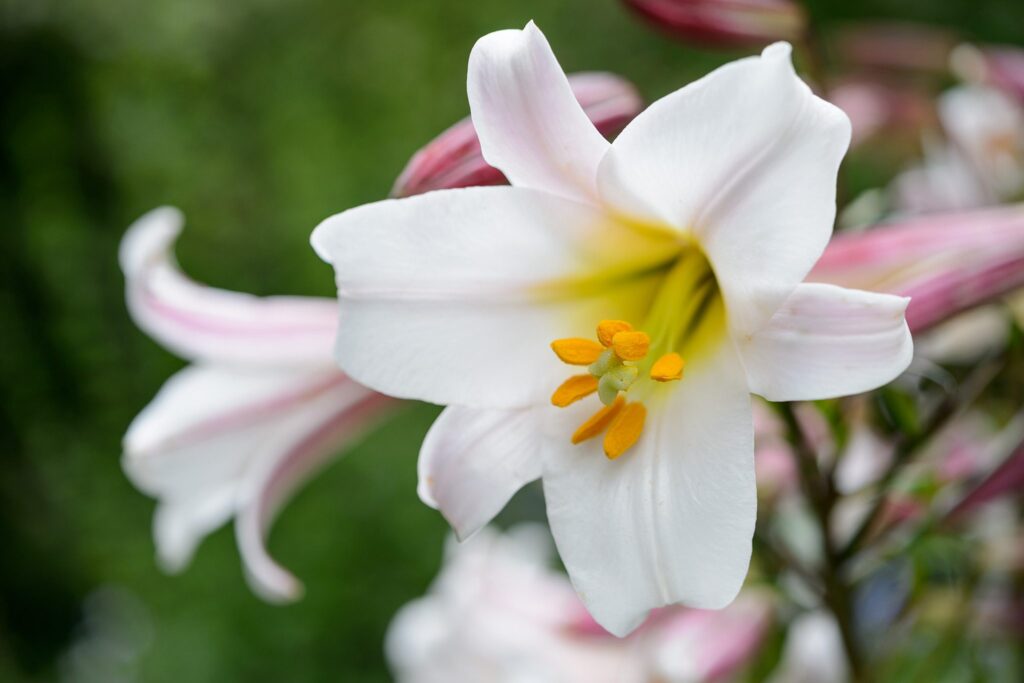
Daffodils have a rich history and symbolism in various cultures. In Christianity, they are associated with purity, innocence, and chastity. This is why daffodils are often considered a symbol of nobility and elegance, particularly when they are white. On the other hand, pink daffodils convey vanity. With their unique beauty and significance, it’s no wonder that daffodils have become a popular choice for gardens and bouquets.
In this comprehensive guide, we will explore everything you need to know about growing and caring for daffodils. From understanding the significance of daffodils to tips for maximizing blooms, we’ll cover it all.
Understanding the Significance of Daffodils
Daffodils have been a popular choice for gardens and bouquets for centuries. They are often associated with springtime and new beginnings, making them a popular choice for Easter baskets and arrangements. In addition to their symbolic meaning, daffodils also have unique characteristics that make them well-suited for various environments.
One of the most significant factors affecting daffodil growth is sunlight exposure. Daffodils can thrive in full sun or partial shade, but it’s essential to provide them with some protection from extreme temperatures and intense sunlight during the hottest part of the day.
Growing Daffodils in Vases or Gardens
Daffodils are bulbs that require specific growing conditions. They dislike heavy soils, standing water, and poor drainage. If you want to grow daffodils in vases, make sure to use a well-draining potting mix with an acidic pH, such as one made from forest soil or peat moss.
For garden cultivation, create a light and fertile soil by mixing in compost, humus, and sand. Make sure the soil is not too dense, as this can cause waterlogged roots and reduce growth.
Preparing Daffodil Bulbs for Planting
The ideal time to plant daffodil bulbs is during the spring or autumn. To ensure proper growth, follow these guidelines:
- Plant the bulbs at a distance of 20 cm from each other.
- Create a hole that is three times deeper and wider than the bulb itself.
- Fill the hole with a mixture of forest soil or peat moss.
- Add an acidic potting mix specifically designed for daffodils, if you’re growing them in containers.
When planting daffodil bulbs, it’s essential to choose a location that receives adequate sunlight and has good air circulation. This will help prevent disease and pests from affecting your plants.
Nourishing Daffodils: Concimazione and Cures
Daffodils require regular fertilization to promote healthy growth. Here are some tips:
- If growing daffodils in vases, use a liquid fertilizer every month.
- For garden cultivation, limit fertilization to 2-3 times a year. Apply the primary fertilizers at planting time and again in spring and early summer when the flowers start blooming.
When using fertilizers, make sure to follow the instructions carefully and avoid over-fertilizing, as this can cause damage to your plants.
Ideal Conditions for Daffodil Growth
Daffodils can thrive in full sun or partial shade. To maximize their lifespan, place them in shaded areas during the hottest part of the day. You can also try placing them in morning sun to prolong their blooming period.
In addition to sunlight exposure, daffodils require well-draining soil and moderate temperatures to grow. A temperature range of 40°F to 70°F (4°C to 21°C) is ideal for daffodil growth.
Tips for Maximizing Daffodil Blooms
To encourage more blooms from your daffodils:
- Remove spent flowers at the base of the stem.
- Plant different varieties and cultivars together, ensuring a staggered bloom time.
By following these tips, you can extend the blooming period of your daffodils and enjoy their beauty for an extended period.
Climate Considerations for Growing Daffodils
While most daffodil species prefer well-drained soil and moderate temperatures, some can be sensitive to extreme conditions. If you live in mountainous regions or northern latitudes, consider growing your daffodils in containers or choosing varieties that are more resistant to cold temperatures.
In addition to temperature fluctuations, daffodils are also susceptible to drought and heat stress. Make sure to provide them with adequate water during periods of drought and provide shade during the hottest part of the day.
Daffodil Care FAQs
- What is the best way to care for my daffodil bulbs?
Regular watering, fertilization, and proper sunlight exposure will ensure healthy growth. - How often should I divide and replant my daffodils?
Divide your daffodil bulbs every 3-4 years to maintain their health and vigor. - Can I grow daffodils in a greenhouse?
Yes, daffodils can thrive in greenhouses with proper temperature control and humidity levels. - What is the ideal soil pH for growing daffodils?
Daffodils prefer an acidic to neutral soil pH (around 6-7). - How long do daffodil bulbs last after planting?
Daffodil bulbs can remain dormant for up to 10 years before blooming again. - Can I grow daffodils in areas with poor drainage?
No, daffodils require well-draining soil to thrive. - How do I prevent pests and diseases from affecting my daffodils?
Regularly inspect your plants for signs of pests or disease, and take action promptly if necessary. - What is the best time to plant daffodil bulbs in different climates?
In cooler climates (USDA zones 3-5), plant daffodil bulbs in early fall. In warmer climates (USDA zones 6-10), plant in late winter or early spring.
Common Pests and Diseases Affecting Daffodils
Daffodils are susceptible to various pests and diseases, including:
- Aphids: small, soft-bodied insects that feed on sap
- Slugs and snails: slow-moving, slimy pests that feed on leaves and flowers
- Fungal diseases: such as powdery mildew and rust, which can cause discoloration and damage to the plant
- Bacterial diseases: such as botrytis, which can cause wilting and death
To prevent these pests and diseases, make sure to inspect your plants regularly and take action promptly if necessary.
Common Problems with Daffodils
Daffodils are often affected by various problems, including:
- Yellowing or browning leaves: caused by overwatering, underwatering, or nutrient deficiencies
- Droopy or wilted flowers: caused by heat stress, drought, or root damage
- Rust and powdery mildew: fungal diseases that can cause discoloration and damage to the plant
To address these problems, make sure to provide your daffodils with adequate sunlight, water, and nutrients. Remove any affected leaves or flowers to prevent the spread of disease.
By following this comprehensive guide, you’ll be well on your way to growing stunning, healthy daffodils that will bring joy and beauty to your garden for years to come!


