
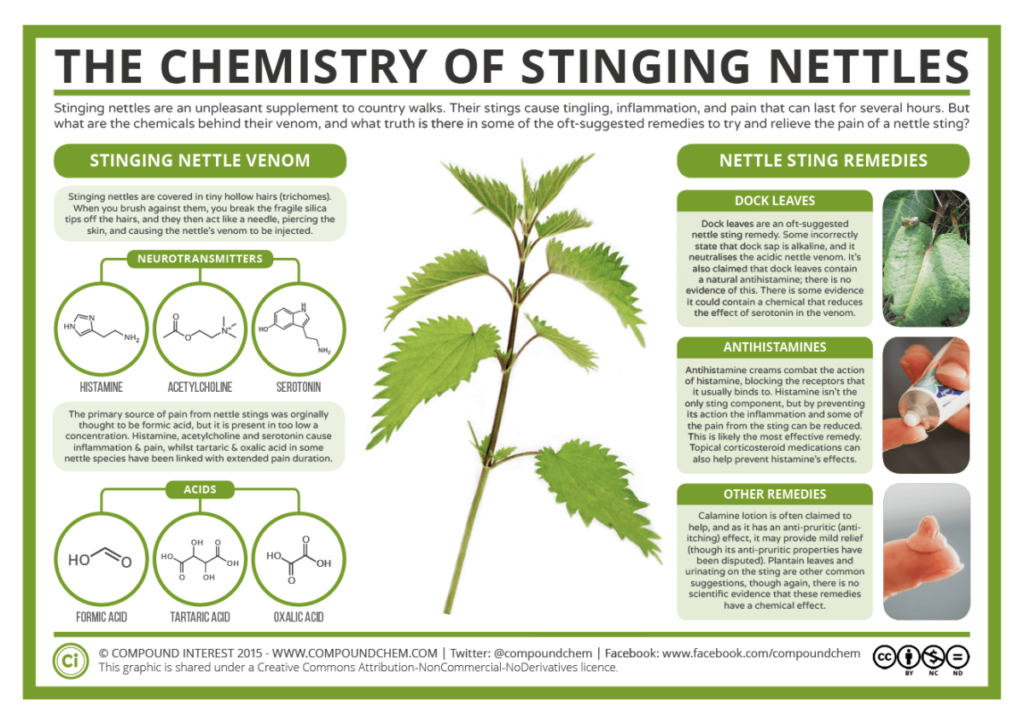
What is Urtica?
Urtica, a perennial plant belonging to the Urticaceae family, has been shrouded in mystery due to its infamous reputation for causing itching and discomfort. However, this plant holds secrets that have been harnessed by ancient civilizations, and modern science has confirmed its therapeutic properties.
A Brief History of Urtica’s Reputation
For centuries, the leaves of the urtica plant were believed to possess magical powers, offering protection against diseases throughout the year. Many people swore by eating urtica to preserve their health. While this notion may seem far-fetched, it is astonishing to note that modern science has validated many of these claims.
The Healing Properties of Urtica
Recent studies have confirmed the antianemic properties of urtica, thanks to its high content of iron and chlorophyll. This means that consuming urtica can stimulate the body’s production of red blood cells. Experts also attribute to it depurative, diuretic, tonifying, and restorative properties. The creatine present in urtica may even facilitate digestion and nutrient absorption.
Moreover, urtica has ant-inflammatory effects on the intestines, making it an effective remedy against diarrhea and dysentery. Its diuretic and purgative qualities can also help eliminate toxins, acids, chlorides, and cholesterol from the body. These characteristics have led to its use in treating conditions like gout, arthritis, and other inflammatory diseases.
The Importance of Urtica’s Soil
Savvy farmers know that the best soil for cultivating urtica is precisely where it thrives. They advise taking a handful of earth from this fertile ground to enrich other crops with its nutrients. Additionally, planting urtica alongside aromatic herbs can enhance their oil content and keep pests at bay.
Using Urtica in Cooking
Urtica can be used in a variety of culinary ways, although it loses its stinging properties once cooked. It can be boiled and added to soups, stews, or risottos for a unique flavor. Its texture is slightly firm, making it an excellent substitute for spinach in many dishes. The dried leaves can be ground into a powder and sprinkled on food.
Harvesting Urtica
While urtica is a perennial plant, it’s recommended to harvest its leaves during springtime. To avoid discomfort from the plant’s irritating properties, wear gloves and use scissors or pruning shears when gathering the leaves.
Frequently Asked Questions
Q: Is urtica safe for consumption?
A: Yes, urtica has been safely consumed by many cultures for centuries. However, it is essential to cook it before eating to avoid any discomfort.
Q: Can I use urtica as a substitute for spinach in recipes?
A: Absolutely! Urtica’s slightly firm texture and flavor profile make it an excellent alternative to spinach.
Q: What are the benefits of adding urtica to my garden?
A: By incorporating urtica into your garden, you can create a nutrient-rich soil that will benefit other plants. Its aromatic properties also help repel pests.
Q: Can I use urtica as a natural remedy for inflammatory diseases?
A: Yes, urtica has been traditionally used to treat conditions like arthritis and gout due to its anti-inflammatory properties.
Q: Is it safe for pregnant or breastfeeding women to consume urtica?
A: While there is no conclusive evidence against its safety, it’s always best to consult a healthcare professional before consuming any new foods during pregnancy or breastfeeding.
Q: Can I grow urtica in my home garden?
A: Yes! Urtica is a hardy perennial plant that can thrive in most climates. Be sure to provide it with the right conditions and care for optimal growth.
Q: How do I prepare uica for consumption?
A: To remove any spines or irritating properties, simply rinse urtica leaves thoroughly before cooking or consuming them raw.
Traditional Uses of Urtica
In many ancient cultures, urtica was believed to possess magical powers. The leaves were used in various rituals and ceremonies to ward off diseases and bring good fortune. Some tribes even believed that urtica had the power to grant eternal youth and vitality.
In ancient Greece, urtica was considered a sacred plant, often used in healing ceremonies and rituals. The Greek physician Hippocrates, known for his contributions to medicine, is said to have used urtica to treat various ailments.
Modern Research on Urtica
Recent studies have confirmed many of the traditional uses of urtica. Researchers have discovered that its leaves contain a range of bioactive compounds, including flavonoids, phenolic acids, and alkaloids. These compounds have been shown to possess antioxidant, anti-inflammatory, and antimicrobial properties.
One study published in the Journal of Ethnopharmacology found that urtica extracts exhibited significant antiviral activity against certain strains of influenza virus. Another study published in the Journal of Medicinal Food discovered that urtica tea improved cognitive function and reduced oxidative stress in mice.
How to Grow Urtica
Growing urtica is relatively easy, as it’s a hardy perennial plant that can thrive in most climates. Here are some tips for growing urtica:
- Choose a sunny spot with well-draining soil.
- Plant urtica seeds or seedlings in the spring or fall.
- Water regularly and maintain adequate humidity.
- Fertilize lightly, as urtica prefers poor soil.
Medicinal Uses of Urtica
Urtica has been traditionally used to treat various ailments, including:
- Arthritis and gout
- Digestive issues like diarrhea and dysentery
- Inflammatory diseases
- Respiratory problems like bronchitis and asthma
The antianemic properties of urtica make it an excellent remedy for conditions like anemia. The diuretic qualities can help eliminate excess fluids from the body, making it a popular treatment for water retention.
Culinary Uses of Urtica
Urtica is not only used in traditional medicine but also as a culinary ingredient. Here are some ways to use urtica in cooking:
- Boil or steam the leaves and add to soups, stews, or risottos.
- Use the dried leaves to make tea or infusions.
- Add fresh or dried urtica leaves to salads or stir-fries.
- Make a pesto-like sauce by blending cooked urtica with olive oil, garlic, and lemon juice.
Safety Precautions
While urtica is generally considered safe for consumption, there are some precautions to take:
- Avoid eating raw urtica leaves, as they can cause discomfort and irritation.
- Cook urtica thoroughly before consuming it to avoid any adverse effects.
- Pregnant or breastfeeding women should consult a healthcare professional before consuming urtica.
Conclusion
Urtica is a remarkable plant with a rich history of traditional uses. Its antianemic properties, anti-inflammatory effects, and bioactive compounds make it an excellent natural remedy for various ailments. By embracing the magic of urtica, we can unlock its secrets and harness its incredible healing powers. Whether you’re looking to grow urtica in your garden or use it as a culinary ingredient, this versatile plant is sure to amaze and delight.


