
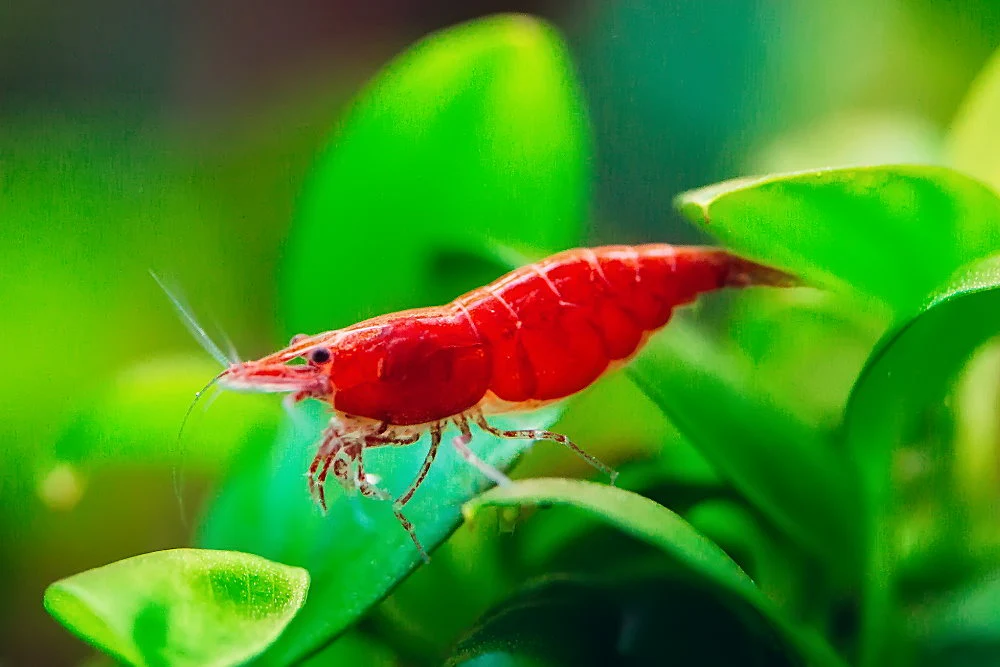
Are you considering setting up a freshwater aquarium and wondering how to care for your new shrimp friends? Look no further! In this article, we’ll cover everything you need to know about setting up a healthy and thriving environment for your shrimp.
Choosing the Right Shrimp Species
With over 100 species of shrimp available in the pet trade, choosing the right one can be overwhelming. Here are some popular species that make great aquarium inhabitants:
- Neocaridina: These small, colorful shrimp are easy to care for and come in a variety of colors. They’re a great choice for beginners and can thrive in smaller aquariums.
- Caridina: Larger than Neocaridina, these shrimp are available in several species, including the popular Japan Cherry Shrimp. They require more space and specialized care, making them better suited for experienced aquarists.
- Amano: Also known as Caridina multidentata or Yamato shrimp, these are a popular choice among aquarium hobbyists due to their attractive appearance and friendly nature.
Setting Up Your Aquarium
When setting up your aquarium, consider the following factors:
- Water Parameters: The ideal water temperature for most shrimp species is between 20°C and 25°C (68°F-77°F). pH levels should be neutral or slightly acidic, ranging from 6.5 to 7.5.
- Dh Water Hardness: Shrimp can thrive in water hardness levels of 4°dH to 15°dH.
- Diet: Provide a balanced diet that includes commercial shrimp food, as well as vegetables and fruits like zucchini, spinach, carrots, and apples.
Aquarium Dimensions and Filtration
The size of your aquarium will depend on the number of shrimp you plan to keep. A general rule of thumb is to provide at least 10 gallons (38 liters) per every 10 shrimp.
When it comes to filtration, consider using a filter that provides adequate oxygenation and waste removal. Internal filters are suitable for small aquariums, while external filters can be more effective for larger tanks.
- Internal Filters: These filters circulate water through the tank and provide good oxygenation.
- External Filters: These filters are connected to the outside of the tank and can provide better filtration and lower nutrient levels.
- Powerheads: These devices create water circulation by blowing water from the filter or pump into the aquarium.
Adding Decorations and Plants
To create a natural environment for your shrimp, add decorations like rocks, driftwood, and plants like Java moss, riccia, and banana plants.
These elements will not only provide hiding places but also help maintain good water quality by absorbing excess nutrients.
- Java Moss: This plant is easy to care for and can thrive in low-light conditions.
- Riccia: This plant is known for its ability to absorb excess nutrients and heavy metals.
- Banana Plants: These plants are great for adding visual interest to your aquarium and provide a natural hiding place for your shrimp.
Water Changes
Regular water changes are essential for maintaining good water quality. Here’s how to perform a water change:
- Remove 25% of the tank water: Use a gravel vacuum or siphon hose to remove 25% of the tank water.
- Replace with fresh water: Add fresh, dechlorinated water to the tank to replace the removed water.
Monitoring Water Parameters
Regularly monitoring water parameters is crucial for maintaining good water quality. Here are some common water parameters to check:
- Ammonia: This toxin can be deadly to shrimp.
- Nitrite: This toxin can cause stress and disease in shrimp.
- Nitrate: High levels of nitrates can lead to algae growth and poor water quality.
Introducing Shrimp
When introducing shrimp to your aquarium, follow these guidelines:
- Acclimate the shrimp: Before adding the shrimp to the tank, acclimate them to the tank’s water parameters by slowly adding them to a quarantine tank.
- Add the shrimp gradually: Add the shrimp gradually to the main tank to prevent stressing out the existing inhabitants.
- Monitor the shrimp: Keep an eye on the shrimp after introducing them to ensure they’re thriving and not showing any signs of stress.
Common Shrimp Health Issues
Here are some common health issues that can affect shrimp:
- Diseases: Bacterial diseases like white spot disease and fungal infections like cotton wool disease.
- Parasites: Internal parasites like protozoa and external parasites like copepods and snails.
Common Shrimp Behavior
Here are some common behaviors exhibited by shrimp:
- Hiding: Shrimp tend to hide in plants, rocks, or other decorations during the day.
- Feeding: Shrimp feed on commercial food, vegetables, and fruits during the night.
- Mating: Some species of shrimp are known to mate during the night.
By following these guidelines and doing thorough research on the specific needs of your chosen shrimp species, you can create a thriving aquarium environment that will bring joy and fascination to both you and your new aquatic friends.


