
Introduction
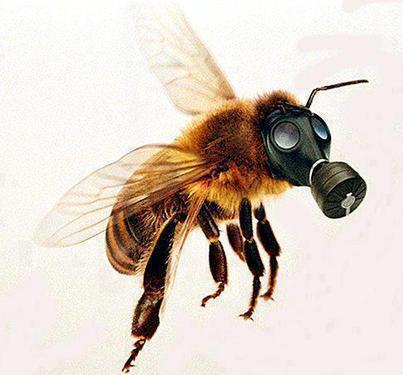
In recent years, concerns have been growing about the impact of pesticides on bee colonies. The decline of these vital pollinators has far-reaching consequences for our food supply, threatening the very foundation of our ecosystem. In this article, we will delve into the intricate relationship between pesticides and bee health, exploring the evidence, causes, and potential solutions to this pressing issue.
The Importance of Bees in Our Ecosystem
Bees are some of the most essential pollinators on the planet. Their incredible ability to perceive the scent of flowers from up to 1.2 kilometers away allows them to navigate their complex social structures with ease. As they flit from flower to flower, collecting nectar and pollen, bees inadvertently transfer pollen between plants, ensuring the reproduction of countless plant species.
One UN study revealed that without bees, global food production could decline by as much as 90%. This staggering statistic highlights the critical role bees play in maintaining the delicate balance of our ecosystem. The loss of these pollinators would not only impact our food supply but also have far-reaching consequences for biodiversity and ecosystems worldwide.
The Impact of Pesticides on Bee Health
Pesticides are chemicals designed to control pests and diseases in crops. However, these substances can have devastating effects on bee colonies. Research has shown that exposure to pesticides can impair a bee’s ability to perceive floral scents, rendering them less effective at pollination.
Moreover, pesticides like DDT and neonicotinoids (such as Imidacloprid) are linked to Colony Collapse Disorder (CCD), where entire colonies mysteriously disappear. This phenomenon is not limited to certain regions; it has been observed globally, affecting bee populations worldwide.
The Connection Between Neonicotinoids and Bee Decline
Neonicotinoids have become a major concern in the scientific community due to their widespread use in agriculture. These chemicals are absorbed by plants through their roots and then ingested by bees when they collect nectar or pollen. Research has shown that even low doses of Imidacloprid can cause significant harm to bee colonies.
In fact, one study found that just 7 kilograms of DDT could be as toxic to bees as a single gram of Imidacloprid. This alarming finding highlights the need for stricter regulations on these substances.
Neonicotinoids: The Unseen Threat
Neonicotinoids have been shown to affect bees in multiple ways, including:
- Impact on floral scents: Neonicotinoids can alter the chemical makeup of flowers, making them less attractive to bees.
- Hormone disruption: Exposure to neonicotinoids has been linked to hormone disruptions in bees, which can affect their reproductive and developmental processes.
- Behavioral changes: Neonicotinoids have been shown to alter bee behavior, leading to changes in foraging patterns and social interactions.
A Call to Action: Protecting Our Bees
The European Union has taken steps to address this issue by introducing stricter controls on neonicotinoids, restricting their use in flowering crops and reserving them for post-harvest applications only.
As individuals, we can play a vital role in protecting our bees by adopting sustainable practices such as:
- Planting bee-friendly flowers
- Reducing pesticide use in our gardens
- Supporting local beekeepers
By working together, we can ensure the long-term survival of these vital pollinators and safeguard our food supply.
Principles of Caution: Safeguarding Bee Health
The EFSA (European Food Safety Authority) has established new guidelines for pesticide safety, emphasizing the need for rigorous testing and evaluation. These principles provide a crucial framework for ensuring that pesticides are used responsibly and minimize harm to bee populations.
As consumers, we can support companies that prioritize environmental sustainability and bee health by choosing products that adhere to these standards.
Organic Farming: A Sustainable Alternative
Organic farming methods offer an effective solution for managing pests without harming bees. By using natural predators, biological control approaches, and integrated pest management (IPM) techniques, farmers can minimize the use of pesticides and protect their bee populations.
In fact, a study by the University of California found that organic farming practices reduced pesticide use by 71% while maintaining crop yields.
Bee-Friendly Practices: A Homeowner’s Guide
If you’re a homeowner looking to create a bee-friendly environment in your garden, here are some tips:
- Plant bee-friendly flowers: Incorporate plants like sunflowers, lavender, and coneflowers into your garden.
- Avoid using pesticides: Refrain from using pesticides in your garden to minimize harm to bees.
- Provide nesting sites: Create bee-friendly habitats by providing nesting sites for solitary bees.
Conclusion
The relationship between pesticides and bee colonies is complex and multifaceted. While our food supply relies heavily on bees, the alarming rate of decline poses a significant threat to our ecosystem. By understanding the causes of this issue and taking collective action, we can work towards creating a safer, more sustainable environment for these vital pollinators.
Frequently Asked Questions
- What is Colony Collapse Disorder (CCD)?
CCD is a phenomenon where entire bee colonies mysteriously disappear, often leaving behind only a few hundred bees. - How do pesticides affect bee health?
Pesticides can impair a bee’s ability to perceive floral scents, reducing their effectiveness at pollination. - What are neonicotinoids and why are they concerning?
Neonicotinoids are a class of pesticides linked to Colony Collapse Disorder (CCD) due to their widespread use in agriculture and potential harm to bees. - How can I protect my bees?
By adopting sustainable practices such as planting bee-friendly flowers, reducing pesticide use, and supporting local beekeepers. - What role do bees play in our ecosystem?
Bees are essential pollinators, responsible for maintaining the delicate balance of our ecosystem and ensuring global food production. - Can I still use pesticides in my garden?
No; it is recommended to reduce or eliminate pesticide use in gardens to minimize harm to bee populations. - How can I support sustainable agriculture?
By choosing products that adhere to environmental sustainability standards and supporting companies that prioritize bee health. - What are some alternatives to pesticides?
Integrated pest management (IPM) techniques, organic farming methods, and biological control approaches offer effective solutions for managing pests without harming bees.
Additional Resources
For more information on the impact of pesticides on bee colonies, we recommend checking out the following resources:
- The Xerces Society: A non-profit organization dedicated to protecting pollinators.
- The Bee Conservancy: A organization working to protect and preserve bee populations worldwide.
- The USDA’s Pollinator Health Strategy: A comprehensive plan for addressing pollinator decline in the United States.
By taking action today, we can work towards a future where our bees thrive and our food supply is secure.


