
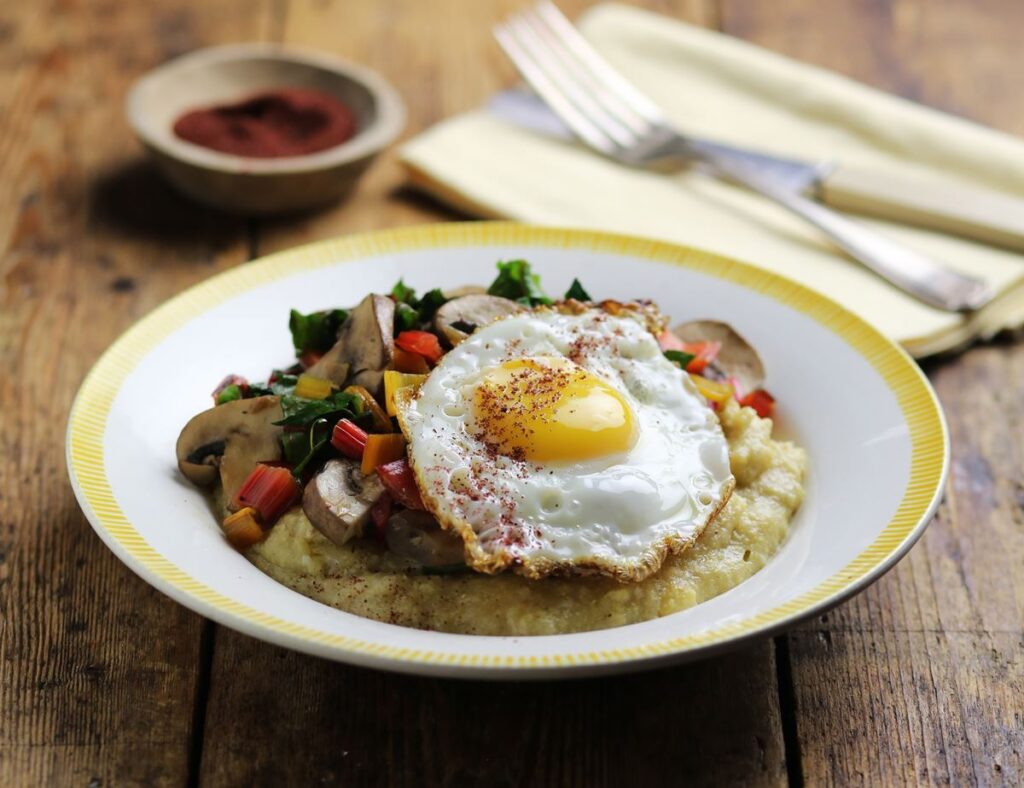
Polenta, a staple in Italian cuisine, is often associated with the classic yellow cornmeal. However, this dish has a rich history that predates the arrival of European settlers. In fact, polenta was already consumed by ancient Greeks and Romans, prepared from coarsely ground grain mixes. Today, we’re going to explore one of these lesser-known varieties: Grano Saraceno, or black polenta.
What is Polenta Di Grano Saraceno?
Polenta di grano saraceno is a type of polenta made from the ancient grain Grano Saraceno. Native to Asia Central, this grain is highly nutritious and gluten-free, making it an excellent choice for those with gluten intolerance or celiac disease.
The Origins of Polenta Di Grano Saraceno
Polenta di grano saraceno has its roots in the region of Lombardy and Trentino. In these areas, polenta taragna is a traditional dish made by mixing the grain with other ingredients like butter, cheese, and herbs. The color of this polenta can vary from grayish to dark brown, depending on the proportions used.
Properties of Grano Saraceno
Grano saraceno is rich in proteins, iron, niacin (Vitamin B3), and calcium. This ancient grain has been gaining popularity due to its versatility and nutritional benefits. Not only is it a great alternative to traditional polenta, but it can also be used to make pizzoccheri, canederli, tortes, confetures, and even soba noodles.
Preparing Polenta Di Grano Saraceno
To prepare this ancient grain, you’ll need coarsely ground farina (medium-gross-grain) and a good amount of water. Unlike traditional polenta recipes, which often include more finely milled flour from corn or other grains, grano saraceno requires a specific type of flour to achieve the right texture.
Basic Recipe for Polenta Di Grano Saraceno
Here’s a simple recipe to get you started:
- 400g coarsely ground farina (grano saraceno)
- 1.5L water
- Burro (as needed)
- Salts (to taste)
Boil the water, add the salt, then gradually pour in the coarse flour mixture. Stir and cook for about an hour, stirring occasionally.
Tips and Variations
To achieve the perfect texture, adjust the ratio of water to flour based on your desired consistency. You can also experiment with adding other ingredients like cheese, herbs, or spices to create unique flavor profiles.
- Add a pinch of salt: This will enhance the flavors of the polenta and give it a more traditional Italian taste.
- Mix in some butter: Adding a pat of butter will add richness and creaminess to your polenta.
- Try different herbs: Add fresh or dried herbs like thyme, rosemary, or parsley to create unique flavor profiles.
The Benefits of Grano Saraceno
Grano saraceno is an excellent choice for those looking for a gluten-free alternative to traditional polenta. Its high protein content and rich nutritional profile make it an ideal ingredient for various dishes, from savory to sweet.
- Gluten-free: Grano saraceno is naturally gluten-free, making it an excellent choice for individuals with celiac disease or gluten intolerance.
- High in nutrients: This ancient grain is rich in proteins, iron, niacin (Vitamin B3), and calcium, providing essential nutrients for a healthy diet.
- Versatile: Grano saraceno can be used to make a variety of dishes, from traditional Italian polenta to unique creations.
Conclusion
Polenta di grano saraceno offers a fascinating glimpse into Italy’s culinary past. By exploring the history and benefits of this ancient grain, we can appreciate the complexity and diversity of traditional Italian cuisine.
FAQs
- What is Grano Saraceno?
Grano saraceno is an ancient grain native to Asia Central, known for its high nutritional value and gluten-free properties. - Is polenta di grano saraceno similar to traditional polenta?
While polenta di grano saraceno shares some similarities with traditional corn-based polenta, it has a distinct texture and flavor profile due to the unique characteristics of Grano Saraceno. - Can I substitute Grano Saraceno with other grains?
No, Grano Saraceno cannot be replaced with other grains due to its specific nutritional properties and taste. - How do I prepare polenta di grano saraceno?
To prepare polenta di grano saraceno, use a coarsely ground farina (medium-gross-grain) and adjust the water ratio based on your desired consistency. - Can I add cheese or other ingredients to polenta di grano saraceno?
Yes, you can experiment with adding various ingredients like cheese, herbs, or spices to create unique flavor profiles for this ancient grain. - Is Grano Saraceno suitable for those with celiac disease?
Yes, Grano Saraceno is gluten-free and safe for individuals with celiac disease or gluten intolerance. - Can I use Grano Saraceno to make other dishes besides polenta?
Yes, Grano Saraceno can be used to create a variety of dishes, including pizzoccheri, canederli, tortes, confetures, and soba noodles. - Where can I find Grano Saraceno?
Grano Saraceno is becoming increasingly available in health food stores and specialty markets, but it may be challenging to find locally.
By exploring the world of polenta di grano saraceno, you’ll discover a rich culinary tradition that spans centuries. Whether you’re a food enthusiast or simply looking for new ingredients to experiment with, this ancient grain is sure to delight your taste buds.


